The Cathedrals

Religious
Christian Music
Gospel
 Viberate Rank: 55092
 Viberate Rank: 55092
 Monthly ListenersFollowers
 Subscribers
 Followers
 Followers
 FansTop Spotify Songs
| Track | 7-Day Streams | |
|---|---|---|
1 | 7.33K | |
2 | 3.45K | |
3 | 3.20K | |
4 | 3.07K | |
5 | 2.91K |
Top YouTube VideosMonthly ListenersFeatured in Playlists| Playlist | Followers | |
|---|---|---|
1 |  Old Time Southern Gospel JukeboxCharlie | 38.16K |
2 |  Seventh-Day Adventist Music | SDA Playlist ellaaapardilla | 22.40K |
3 | Bluegrass Gospel and Hymns Griffith1230 | 20.18K |
4 | Baptist Christian Songs Sayurisayuri | 12.19K |
5 | Gaither Homecoming Maja Westermark | 8.90K |
Audience| City | Monthly Listeners | |
|---|---|---|
1 | | 1.23K |
2 | | 1.16K |
3 | | 945 |
4 | | 756 |
5 | | 632 |
See full performance history, audience data, playlist activity, rankings, comparisons, and more in Viberate music analytics. Start with a free trial, then continue with a paid plan.
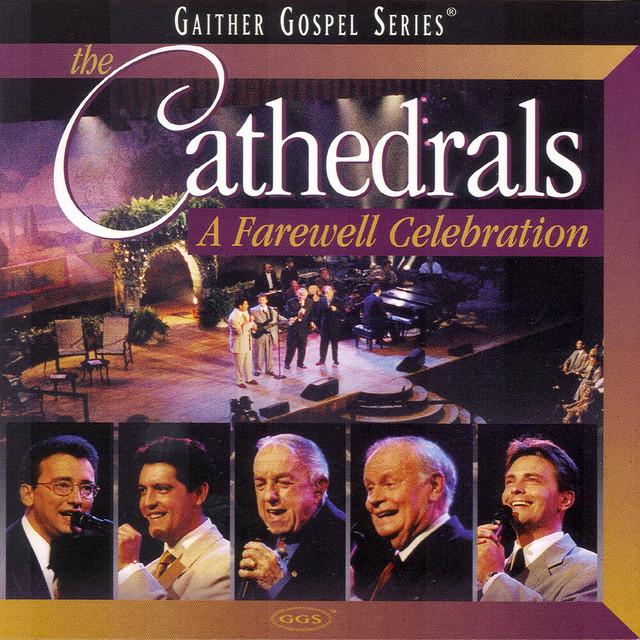
The Cathedrals’ Spotify BioA prolific southern American gospel group (also known as the Cathedral Quartet) the Cathedrals’ career stretched from 1965-99. In the 60s the group was known for the comedic vocal interplay between bass singer George Younce and alto Glen Payne (d. 15 October 1999). Appearing on Rex Humbard’s Cathedral Of Tomorrow radio show, Payne and Younce originally performed with Humbard before expanding to a quartet with the addition of Bobby Clark and Danny Koker. However, once the latter pair left in 1979 the Cathedrals substituted members as necessary around the core of Payne and Younce. The group continued to appear on Humbard’s show until 1969 before setting out on their own path. They became one of the most popular southern gospel groups and their persistence was rewarded when they won their first Grammy in 1977 for Best Gospel Performance. They repeated the feat in 1978, 1979 and 1982, as well as drawing a clutch of Dove Awards from the Gospel Music Association. They also performed… regularly at Bill Gaither’s Praise Gathering For Believers shows. The decision to retire the group in 1999 was prompted by Payne’s death from liver cancer. Younce, alongside members Scott Fowler (baritone), Roger Bennett (piano) and Ernie Haase (tenor) fulfilled their remaining contracted performances, although Younce admitted that ‘the hardest thing I ever had to do was walk on that stage without him.’ The career postscript, A Farewell Celebration, paired the group with the Oak Ridge Boys, Sandi Patty and the Gaither Vocal Band, and was recorded at a concert at Nashville’s Ryman Auditorium.
Viberate is a music analytics platform built for A&Rs, artist managers, labels, booking agents, marketers, and artists.
It helps music professionals track artist growth, analyze audience data, monitor playlist activity, compare artists, follow song performance, and identify opportunities across the music market.
Public artist pages provide a free preview of selected artist data. Paid plans provide access to deeper analytics, historical data, charts, comparisons, playlist tools, exports, alerts, reports, and additional professional features.
Yes. Public Viberate artist pages provide selected artist analytics and music data for free.
Viberate also offers a 7-day free trial of the full platform. A credit card is required to start the trial. The trial includes access to the complete product so users can test deeper artist analytics, historical views, playlist insights, comparisons, charts, exports, alerts, and reporting features before choosing a paid plan.
Viberate provides artist analytics across streaming, playlists, social media, video, radio airplay, songs, and audience markets.
Users can analyze Spotify performance, Spotify and Apple Music playlists, YouTube activity, TikTok and Instagram growth, radio spins, song performance, audience locations, demographics, rankings, and overall artist momentum.
Artist profiles also connect to music charts, similar artists, and comparison tools, helping users benchmark performance and evaluate artists in context.
Viberate updates key artist and track data daily.
For followed artists and tracks, selected data is refreshed multiple times per day. This helps teams monitor playlist changes, streaming movement, audience growth, releases, and campaign performance with more current data.
Update frequency can vary depending on the metric and data source.
Yes. Viberate lets users compare up to five artists side by side across streaming, social media, audience, and engagement metrics.
Users can compare fanbase growth, audience demographics, locations, Spotify performance, social metrics, and other artist data over selected time periods.
Artist comparison can be used for A&R scouting, benchmarking, booking decisions, campaign planning, and evaluating artists with similar audiences or market positions.