The Butchies

Rock
Alternative Rock
Punk Rock
 Viberate Rank: 220322
 Viberate Rank: 220322
 Monthly ListenersFollowers
 Subscribers
 Followers
 Followers
 FansTop Spotify Songs
| Track | 7-Day Streams | |
|---|---|---|
1 | 1.43K | |
2 | 567 | |
3 | 520 | |
4 | 413 | |
5 | 205 |
Top YouTube VideosMonthly ListenersFeatured in Playlists| Playlist | Followers | |
|---|---|---|
1 |  sapphic/wlw bops thorn | 22.88K |
2 |  A punk playlist but it’s actually good music •.Sal🎧↷∙. | 20.87K |
3 | Lesbian pride Mak | 16.22K |
4 |  actual sapphic love songs bea 🐞 | 15.28K |
5 |  Bisexual Anthems Lyssa D Thomlin | 14.05K |
Audience| City | Monthly Listeners | |
|---|---|---|
1 | | 116 |
2 | | 108 |
3 | | 93 |
4 | | 84 |
5 | | 84 |
See full performance history, audience data, playlist activity, rankings, comparisons, and more in Viberate music analytics. Start with a free trial, then continue with a paid plan.
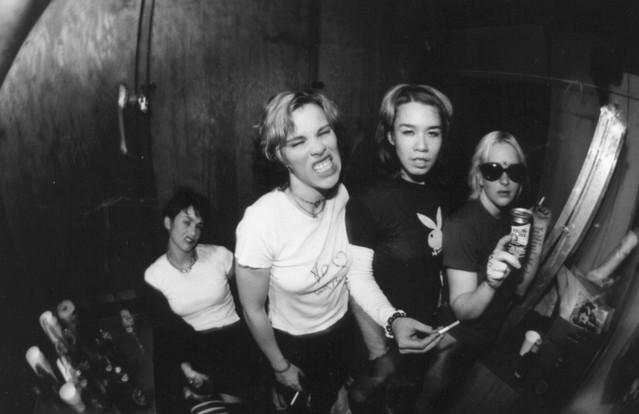
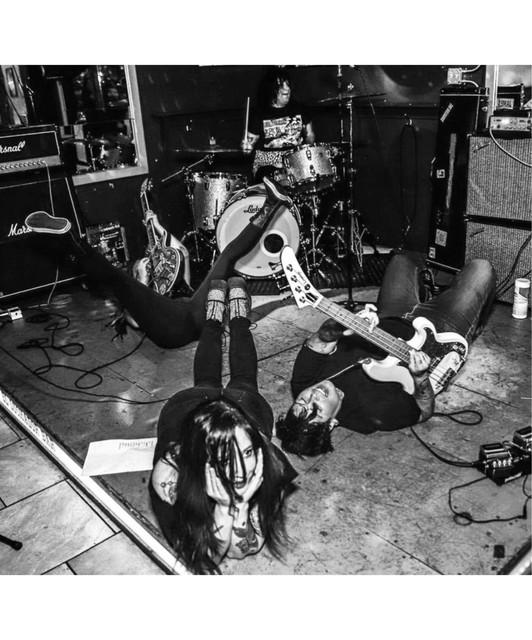
The Butchies’ Spotify BioDurham, NC-based queercore trio the Butchies reunited singer/guitarist Kaia Wilson and drummer Melissa York, who previously teamed in the pioneering Team Dresch. Joined by ex-Poor Valentino bassist Alison Martlew, the Butchies signed to Mr. Lady (the independent label Wilson founded with girlfriend Tammy Rae Carlson) to issue their 1998 debut Are We Not Femme?. A year later, the Chris Stamey-produced Population 1975 was released. The Butchies didn't waste much time in between albums; Wilson kept herself busy with Mr. Lady and issued albums by Le Tigre and Sarah Dougher in the early millennium while the band prepared for a third album. Getting back together with producer Greg Griffith, the aptly titled Three appeared in 2001. Stateside dates with The Indigo Girls' Amy Ray followed that summer. A fourth effort, Make Yr Life, was recorded in ten days before hitting shelves in spring 2004. It marked the Butchies' first release with Yep Roc. ~ Jason Ankeny, Rovi
Viberate is a music analytics platform built for A&Rs, artist managers, labels, booking agents, marketers, and artists.
It helps music professionals track artist growth, analyze audience data, monitor playlist activity, compare artists, follow song performance, and identify opportunities across the music market.
Public artist pages provide a free preview of selected artist data. Paid plans provide access to deeper analytics, historical data, charts, comparisons, playlist tools, exports, alerts, reports, and additional professional features.
Yes. Public Viberate artist pages provide selected artist analytics and music data for free.
Viberate also offers a 7-day free trial of the full platform. A credit card is required to start the trial. The trial includes access to the complete product so users can test deeper artist analytics, historical views, playlist insights, comparisons, charts, exports, alerts, and reporting features before choosing a paid plan.
Viberate provides artist analytics across streaming, playlists, social media, video, radio airplay, songs, and audience markets.
Users can analyze Spotify performance, Spotify and Apple Music playlists, YouTube activity, TikTok and Instagram growth, radio spins, song performance, audience locations, demographics, rankings, and overall artist momentum.
Artist profiles also connect to music charts, similar artists, and comparison tools, helping users benchmark performance and evaluate artists in context.
Viberate updates key artist and track data daily.
For followed artists and tracks, selected data is refreshed multiple times per day. This helps teams monitor playlist changes, streaming movement, audience growth, releases, and campaign performance with more current data.
Update frequency can vary depending on the metric and data source.
Yes. Viberate lets users compare up to five artists side by side across streaming, social media, audience, and engagement metrics.
Users can compare fanbase growth, audience demographics, locations, Spotify performance, social metrics, and other artist data over selected time periods.
Artist comparison can be used for A&R scouting, benchmarking, booking decisions, campaign planning, and evaluating artists with similar audiences or market positions.