The Breathing Effect

Rock
Progressive Rock
Nu Jazz
 Viberate Rank: 200578
 Viberate Rank: 200578
 Monthly ListenersFollowers
 Subscribers
 Followers
 Followers
 FansTop Spotify Songs
| Track | 7-Day Streams | |
|---|---|---|
1 | 5.41K | |
2 | 1.37K | |
3 | 1.11K | |
4 | 1.01K | |
5 | 553 |
Top YouTube VideosMonthly ListenersFeatured in Playlists| Playlist | Followers | |
|---|---|---|
1 |  Under the Radar Gems 💎 Somewhere Soul | 25.49K |
2 |  California Vibes 🌴 Music Guy | 24.72K |
3 |  Yacht Rock Revival Spotify | 21.88K |
4 |  anton's playlist anton_archivess | 18.96K |
5 |  Groove Like This Baylee Lefton | 18.31K |
Audience| City | Monthly Listeners | |
|---|---|---|
1 | | 583 |
2 |  | 561 |
3 | | 442 |
4 | | 388 |
5 |  | 358 |
See full performance history, audience data, playlist activity, rankings, comparisons, and more in Viberate music analytics. Start with a free trial, then continue with a paid plan.
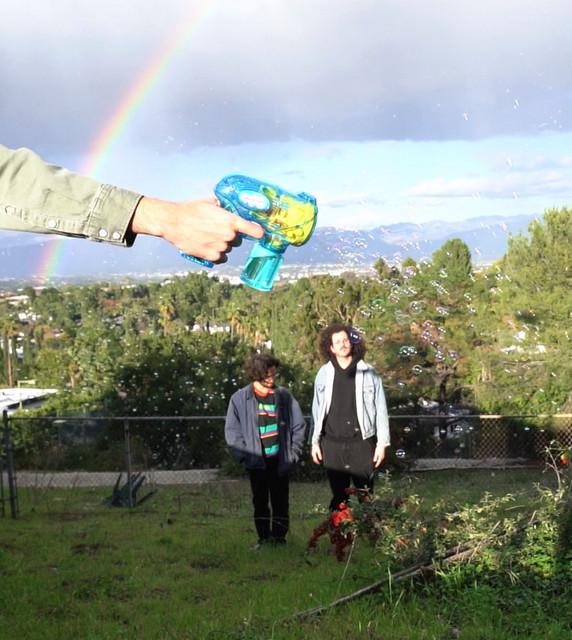
The Breathing Effect’s Spotify BioThe Breathing Effect established in 2013 is an ever evolving band project founded by Eli Goss and Harry Terrell. The project was born out of the LA beat scene of the 2010’s playing their first shows at the weekly club night, ‘Low End Theory.’ Their early works are heavily influenced by the many bands blending Jazz with Electronic music. Their debut LP features musical assistance from artists Lionmilk, Kalia Vandever, and Michael Mayo. As the band progressed, they began to incorporate the sounds of noise rock/shoegaze, indie rock songwriting, hip hop instrumentals, ambient film scores, and 70’s soul/disco influences. On their most recent LP they teamed up with talented producer/artist quickly, quickly for an epic experimental ballad. The band continues to develop and iterate on their musical identity.
Viberate is a music analytics platform built for A&Rs, artist managers, labels, booking agents, marketers, and artists.
It helps music professionals track artist growth, analyze audience data, monitor playlist activity, compare artists, follow song performance, and identify opportunities across the music market.
Public artist pages provide a free preview of selected artist data. Paid plans provide access to deeper analytics, historical data, charts, comparisons, playlist tools, exports, alerts, reports, and additional professional features.
Yes. Public Viberate artist pages provide selected artist analytics and music data for free.
Viberate also offers a 7-day free trial of the full platform. A credit card is required to start the trial. The trial includes access to the complete product so users can test deeper artist analytics, historical views, playlist insights, comparisons, charts, exports, alerts, and reporting features before choosing a paid plan.
Viberate provides artist analytics across streaming, playlists, social media, video, radio airplay, songs, and audience markets.
Users can analyze Spotify performance, Spotify and Apple Music playlists, YouTube activity, TikTok and Instagram growth, radio spins, song performance, audience locations, demographics, rankings, and overall artist momentum.
Artist profiles also connect to music charts, similar artists, and comparison tools, helping users benchmark performance and evaluate artists in context.
Viberate updates key artist and track data daily.
For followed artists and tracks, selected data is refreshed multiple times per day. This helps teams monitor playlist changes, streaming movement, audience growth, releases, and campaign performance with more current data.
Update frequency can vary depending on the metric and data source.
Yes. Viberate lets users compare up to five artists side by side across streaming, social media, audience, and engagement metrics.
Users can compare fanbase growth, audience demographics, locations, Spotify performance, social metrics, and other artist data over selected time periods.
Artist comparison can be used for A&R scouting, benchmarking, booking decisions, campaign planning, and evaluating artists with similar audiences or market positions.