Brandon Coleman

R&B
Contemporary R&B
Jazz Fusion
Other Electronic Music
 Viberate Rank: 186208
 Viberate Rank: 186208
 Monthly ListenersFollowers
 Subscribers
 Followers
 Followers
 FansTop Spotify Songs
| Track | 7-Day Streams | |
|---|---|---|
1 | 825 | |
2 | 734 | |
3 | 540 | |
4 | 470 | |
5 | 200 |
Top YouTube Videos| Video | 7-Day Views | |
|---|---|---|
1 | 9 | |
2 | 8 | |
3 | 4 | |
4 | 3 | |
5 | 3 |
Monthly ListenersFeatured in Playlists| Playlist | Followers | |
|---|---|---|
1 |  Jazz-Funk Spotify | 425.82K |
2 |  SAMURAI CHAMPLOO Phyllis Chen | 68.44K |
3 | Trip Hop // Beats Lapgan | 67.29K |
4 | WAVR.AI | 18.83K |
5 |  Living In My Headphones James Lavelle (UNKLE) | 16.04K |
Audience| City | Monthly Listeners | |
|---|---|---|
1 | | 146 |
2 |  | 106 |
3 | | 97 |
4 | | 80 |
5 | | 69 |
See full performance history, audience data, playlist activity, rankings, comparisons, and more in Viberate music analytics. Start with a free trial, then continue with a paid plan.
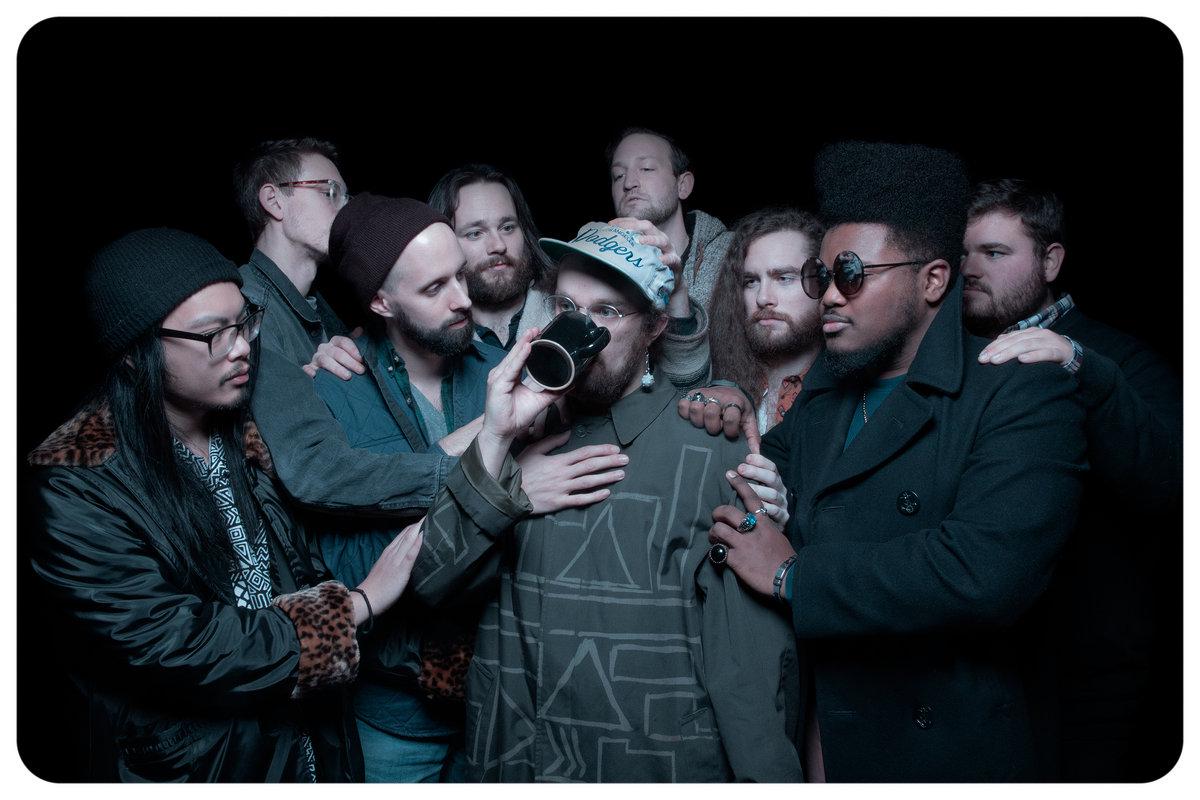
Brandon Coleman’s Spotify BioKnown primarily as a multifaceted keyboardist who has performed and recorded with artists such as Kamasi Washington, Flying Lotus, Al Jarreau, and Babyface, Brandon Coleman has also released Self Taught (2015), Resistance (2018), and Interstellar Black Space (2022), cheerful and complex albums that have enabled the jazz-rooted artist to indulge in his love for electronic funk. Heavily inspired by late-'70s and early-'80s advancements made by the likes of Herbie Hancock, George Duke, Zapp, and Prince, these LPs have showcased Coleman's mastery and manipulation of numerous electric keyboards and synthesizers, as well as his songwriting, arranging, production, and vocoder-enhanced vocal skills.
The Los Angeles native started playing piano in his teens, inspired and guided by brother Marcus Coleman, and after high school continued his studies locally at the Colburn School. He became a prominent touring and session player during the early 2000s. Since establishing long-term associations with… Kamasi Washington, Ryan Porter, and other notable L.A. musicians, he has branched out with the likes of Babyface, Alicia Keys, and Anthony Hamilton, and has become what is possibly the lone link between polyglot experimentalist Flying Lotus and smooth jazz stalwart Boney James; he has been a regular contributor to FlyLo albums dating back to 2012's Until the Quiet Comes, and his first session with James was the following year's The Beat.
Coleman debuted as leader in 2011 with Self Taught, a hyperkinetic if composed recording on which he was joined by tenor saxophonist Washington, trombonist Porter, and violinist Miguel Atwood-Ferguson, among many other musicians. (The set was reissued in 2015 on Beat Japan). Between leader dates, he frequently performed and also took part in a large quantity of recording sessions. One example of Coleman's versatility: During three months in 2014, jazz vocalist legend Al Jarreau, contemporary singer/songwriter Colbie Caillat, and Flying Lotus each released Coleman-assisted albums, namely My Old Friend: Celebrating George Duke), Gypsy Heart (Coleman is on the platinum single "Try"), and You're Dead!
Having joined Flying Lotus' Brainfeeder label, Coleman released his second album, Resistance, in 2018. A joyous act of opposition to unacknowledged tyranny, it featured over 20 singers and players but emphasized Coleman's proficiency on keyboards. After he expanded his sideman discography with albums such as Flying Lotus' Flamagra, Thundercat's Grammy-winning It Is What It Is, and Moses Sumney's græ, Coleman plotted his third album with a comparatively live sound as his objective. Released on Brainfeeder in 2022, the result, Interstellar Black Space, featured input from many of his regular associates, while the trio of trumpeter Keyon Harrold, bassist Ben Williams, and drummer Marcus Gilmore supported him for two mostly-acoustic pieces. Fusion throwdowns, funk jams, and soul ballads were also part of the program. ~ Andy Kellman, Rovi
Viberate is a music analytics platform built for A&Rs, artist managers, labels, booking agents, marketers, and artists.
It helps music professionals track artist growth, analyze audience data, monitor playlist activity, compare artists, follow song performance, and identify opportunities across the music market.
Public artist pages provide a free preview of selected artist data. Paid plans provide access to deeper analytics, historical data, charts, comparisons, playlist tools, exports, alerts, reports, and additional professional features.
Yes. Public Viberate artist pages provide selected artist analytics and music data for free.
Viberate also offers a 7-day free trial of the full platform. A credit card is required to start the trial. The trial includes access to the complete product so users can test deeper artist analytics, historical views, playlist insights, comparisons, charts, exports, alerts, and reporting features before choosing a paid plan.
Viberate provides artist analytics across streaming, playlists, social media, video, radio airplay, songs, and audience markets.
Users can analyze Spotify performance, Spotify and Apple Music playlists, YouTube activity, TikTok and Instagram growth, radio spins, song performance, audience locations, demographics, rankings, and overall artist momentum.
Artist profiles also connect to music charts, similar artists, and comparison tools, helping users benchmark performance and evaluate artists in context.
Viberate updates key artist and track data daily.
For followed artists and tracks, selected data is refreshed multiple times per day. This helps teams monitor playlist changes, streaming movement, audience growth, releases, and campaign performance with more current data.
Update frequency can vary depending on the metric and data source.
Yes. Viberate lets users compare up to five artists side by side across streaming, social media, audience, and engagement metrics.
Users can compare fanbase growth, audience demographics, locations, Spotify performance, social metrics, and other artist data over selected time periods.
Artist comparison can be used for A&R scouting, benchmarking, booking decisions, campaign planning, and evaluating artists with similar audiences or market positions.