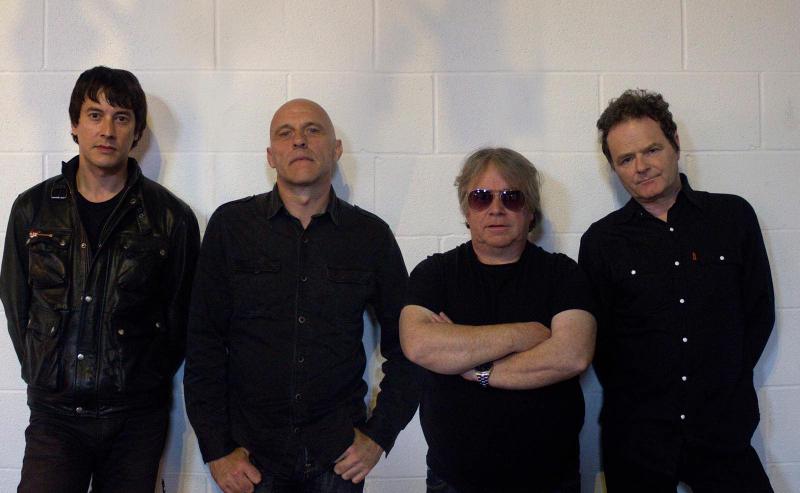
The Boys

Punk
Punk Rock
Power Pop
 Viberate Rank: 122457
 Viberate Rank: 122457
 Monthly ListenersFollowers
 Subscribers
 Followers
 Followers
 FansTop Spotify Songs
| Track | 7-Day Streams | |
|---|---|---|
1 | 3.27K | |
2 | 3.15K | |
3 | 2.60K | |
4 | 1.48K | |
5 | 1.31K |
Top YouTube VideosMonthly ListenersFeatured in Playlists| Playlist | Followers | |
|---|---|---|
1 |  Punk Classics Filtr Legacy Sweden | 73.29K |
2 |  The Evolution of Punk (In Chronological Order) kingfirley | 16.18K |
3 |  70's PUNK ROCK kristian | 16.11K |
4 |  Halt and Catch Fire Dudu Torres | 16.00K |
5 | British Punk Rock (1976 - Present) Punkyn | 14.78K |
Audience| City | Monthly Listeners | |
|---|---|---|
1 |  | 453 |
2 |  | 417 |
3 |  | 385 |
4 | | 283 |
5 |  | 237 |
See full performance history, audience data, playlist activity, rankings, comparisons, and more in Viberate music analytics. Start with a free trial, then continue with a paid plan.
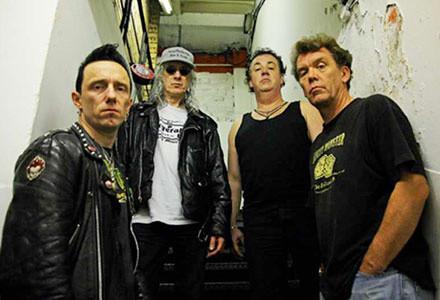
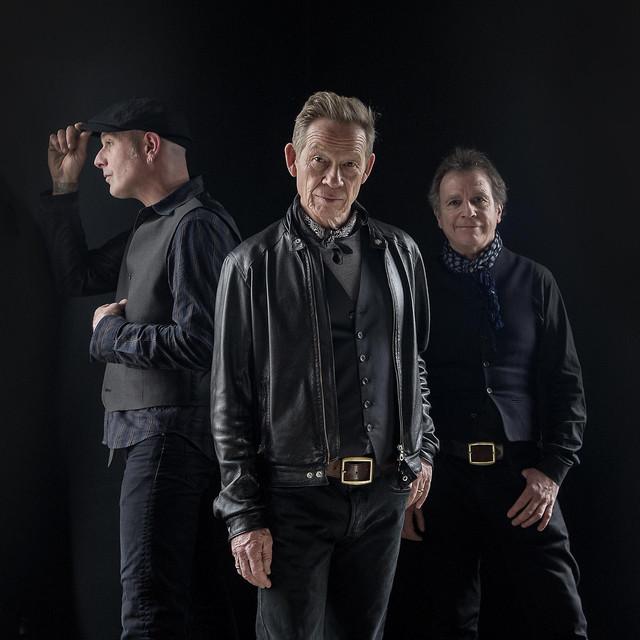
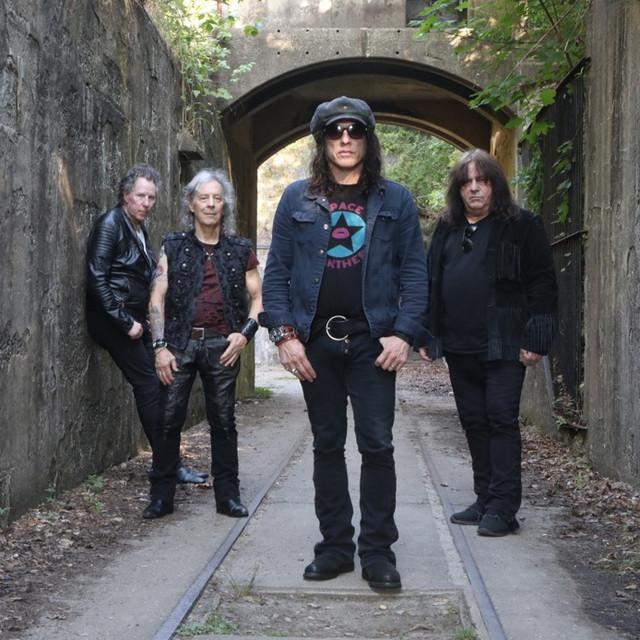
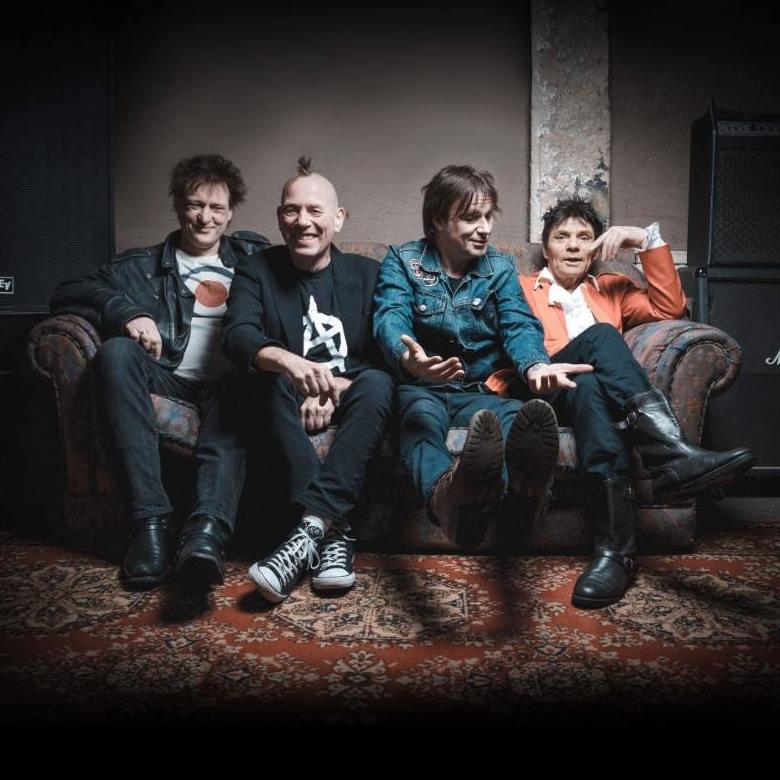
The Boys’ Spotify BioAlong with the Sex Pistols, Clash & The Damned, The Boys were part of the mid-70’s UK punk explosion in London. In September 1975 singer/guitarist Matt Dangerfield left Mick Jones fledgling London SS to form a new band with ex-Hollywood Brats songwriter/keyboard player Casino Steel. Dangerfield’s art college pal, guitarist Honest John Plain, was soon drafted in and in mid 1976 Kid Reid & Jack Black filled the bass and drum roles to complete the line-up.
Dangerfield had converted the coal cellar of his rented basement flat in Maida Vale into a recording studio/rehearsal room and 47A Warrington Crescent consequently became a vital hub for the emerging UK punk scene. Amongst others, The Sex Pistols, The Damned, Clash, Chelsea, Generation X and of course, The Boys, made early rehearsals and recordings there. In this hotbed of creativity Steel and Dangerfield quickly forged a prolific songwriting partnership. Armed with an arsenal of killer Steel/Dangerfield songs The Boys became the first… UK punk band to sign an album deal in January 1977. Their self-titled first album was fast, alternately brattish and tongue-in-cheek, and gloriously anthemic. As Last FM put it: “The Boys made arguably one of the best LPs of the 70s with their debut album and provided the template for superior Pop Punk”.
Over the years numerous bands have covered The Boys’ back catalogue - from Argentina to Germany and Japan to the USA - and even more artists have cited The Boys as a major influence.
Viberate is a music analytics platform built for A&Rs, artist managers, labels, booking agents, marketers, and artists.
It helps music professionals track artist growth, analyze audience data, monitor playlist activity, compare artists, follow song performance, and identify opportunities across the music market.
Public artist pages provide a free preview of selected artist data. Paid plans provide access to deeper analytics, historical data, charts, comparisons, playlist tools, exports, alerts, reports, and additional professional features.
Yes. Public Viberate artist pages provide selected artist analytics and music data for free.
Viberate also offers a 7-day free trial of the full platform. A credit card is required to start the trial. The trial includes access to the complete product so users can test deeper artist analytics, historical views, playlist insights, comparisons, charts, exports, alerts, and reporting features before choosing a paid plan.
Viberate provides artist analytics across streaming, playlists, social media, video, radio airplay, songs, and audience markets.
Users can analyze Spotify performance, Spotify and Apple Music playlists, YouTube activity, TikTok and Instagram growth, radio spins, song performance, audience locations, demographics, rankings, and overall artist momentum.
Artist profiles also connect to music charts, similar artists, and comparison tools, helping users benchmark performance and evaluate artists in context.
Viberate updates key artist and track data daily.
For followed artists and tracks, selected data is refreshed multiple times per day. This helps teams monitor playlist changes, streaming movement, audience growth, releases, and campaign performance with more current data.
Update frequency can vary depending on the metric and data source.
Yes. Viberate lets users compare up to five artists side by side across streaming, social media, audience, and engagement metrics.
Users can compare fanbase growth, audience demographics, locations, Spotify performance, social metrics, and other artist data over selected time periods.
Artist comparison can be used for A&R scouting, benchmarking, booking decisions, campaign planning, and evaluating artists with similar audiences or market positions.