The Aquatones

Blues
Contemporary Blues
Soul
 Viberate Rank: 354628
 Viberate Rank: 354628
 Monthly ListenersFollowers
 Subscribers
 Followers
 Followers
 FansTop Spotify Songs
| Track | 7-Day Streams | |
|---|---|---|
1 | 1.55K | |
2 | 312 | |
3 | 95 | |
4 | 62 | |
5 | 56 |
Top YouTube VideosMonthly ListenersFeatured in Playlists| Playlist | Followers | |
|---|---|---|
1 |  oldies 🎭 darlingbaby❤️🔥 | 58.88K |
2 |  The Sopranos Soundtrack - Full Playlist cullen_strang | 51.45K |
3 | The Sopranos Soundtrack matthewditta1999 | 37.28K |
4 | Songs: Mad Men Kenneth Lorence | 30.53K |
5 |  Mad Men Soundtrack rubyrubyruby399 | 30.30K |
Audience| City | Monthly Listeners | |
|---|---|---|
1 | | 154 |
2 | | 90 |
3 | | 69 |
4 |  | 64 |
5 | | 64 |
See full performance history, audience data, playlist activity, rankings, comparisons, and more in Viberate music analytics. Start with a free trial, then continue with a paid plan.
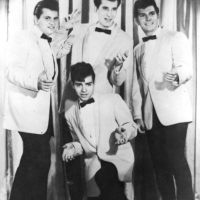
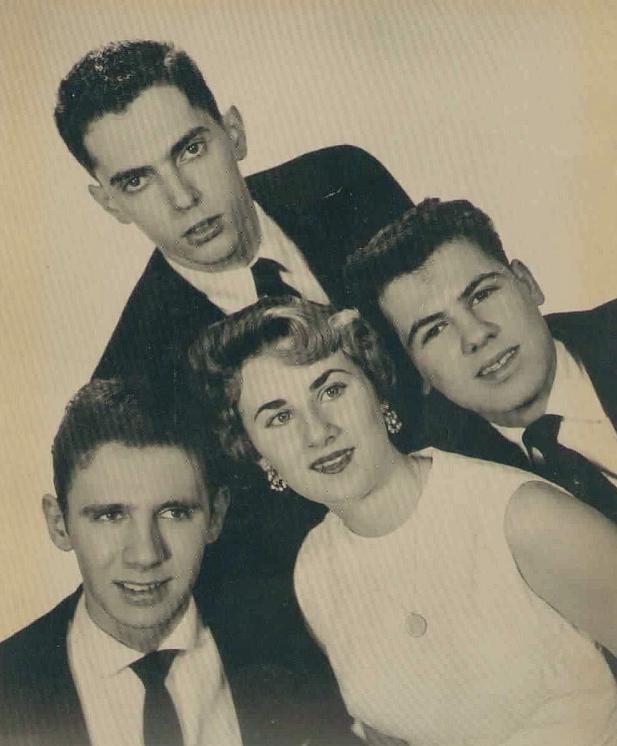
The Aquatones’ Spotify BioOwner of the Top 40 hit "You" that was used in Martin Scorcese's Mean Streets, the Aquatones started their musical career in 1956, the year of Elvis. At first, they were a rockabilly-slanted vocal and instrumental combo known as the Rhythm Kings. The lineup of Long Island teenagers featured Larry Vannatta on alto and tenor saxophones, Gene McCarthy on tenor sax and Dave Goddard on lead vocals and piano. 16-year-old Lynne Nixon from Malverne, Long island, was soon added as a backup vocalist and occasional female lead. After winning a local high school talent contest, they were signed by small-time record label owner Lou Fargo as the Acquations. Because of the guys' penchant for wearing aqua-colored shirts on-stage with Lynne in a matching dress, the group soon changed their moniker to the Aquatones.
The group came to their first session with two originals: "She's the Only One for Me," a driving rocker sung by Goddard, and "You," a ballad with Nixon on lead vocals. Fargo cut two sessions… to produce a master of "You," which became their biggest (and lone) hit in 1958. The record only got as high as number 21 on the national charts, but its longevity and enduring popularity (it was used in Martin Scorcese's Mean Streets and the TV show I'll Fly Away) has made it an evergreen. The group followed that sentimental ballad with several other good sides, but chart success proved elusive. The group went their separate ways (college, the draft, marriage, disillusionment) by 1962. In 1964, Fargo Records issued a full-length album on the group that quickly became a staple in cutout bins and is now a collector's item going for several hundred dollars. The Aquatones may have been one-hit wonders, but a wonderful hit it was. ~ Cub Koda, Rovi
Viberate is a music analytics platform built for A&Rs, artist managers, labels, booking agents, marketers, and artists.
It helps music professionals track artist growth, analyze audience data, monitor playlist activity, compare artists, follow song performance, and identify opportunities across the music market.
Public artist pages provide a free preview of selected artist data. Paid plans provide access to deeper analytics, historical data, charts, comparisons, playlist tools, exports, alerts, reports, and additional professional features.
Yes. Public Viberate artist pages provide selected artist analytics and music data for free.
Viberate also offers a 7-day free trial of the full platform. A credit card is required to start the trial. The trial includes access to the complete product so users can test deeper artist analytics, historical views, playlist insights, comparisons, charts, exports, alerts, and reporting features before choosing a paid plan.
Viberate provides artist analytics across streaming, playlists, social media, video, radio airplay, songs, and audience markets.
Users can analyze Spotify performance, Spotify and Apple Music playlists, YouTube activity, TikTok and Instagram growth, radio spins, song performance, audience locations, demographics, rankings, and overall artist momentum.
Artist profiles also connect to music charts, similar artists, and comparison tools, helping users benchmark performance and evaluate artists in context.
Viberate updates key artist and track data daily.
For followed artists and tracks, selected data is refreshed multiple times per day. This helps teams monitor playlist changes, streaming movement, audience growth, releases, and campaign performance with more current data.
Update frequency can vary depending on the metric and data source.
Yes. Viberate lets users compare up to five artists side by side across streaming, social media, audience, and engagement metrics.
Users can compare fanbase growth, audience demographics, locations, Spotify performance, social metrics, and other artist data over selected time periods.
Artist comparison can be used for A&R scouting, benchmarking, booking decisions, campaign planning, and evaluating artists with similar audiences or market positions.