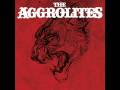
The Aggrolites

Reggae
Roots Reggae
Ska
 Viberate Rank: 70159
 Viberate Rank: 70159
 Monthly ListenersFollowers
 Subscribers
 Followers
 Followers
 FansTop Spotify Songs
| Track | 7-Day Streams | |
|---|---|---|
1 | 12.74K | |
2 | 6.36K | |
3 | 4.06K | |
4 | 2.11K | |
5 | 2.01K |
Top YouTube VideosMonthly ListenersFeatured in Playlists| Playlist | Followers | |
|---|---|---|
1 |  Outer Banks Official Playlist Spotify | 250.08K |
2 | SKA Kevin McLaughlin | 111.43K |
3 |  Outer Banks Season 5, 4, 3, 2, 1 - (All Songs Soundtrack) palumpo records | 96.10K |
4 |  🇺🇸 Cali Reggae @calireggaespotify 🇺🇸 Cali Reggae | 47.38K |
5 |  Ska Punk Essentials Kousa_cs | 33.50K |
Audience| City | Monthly Listeners | |
|---|---|---|
1 | | 1.45K |
2 | | 860 |
3 | | 859 |
4 |  | 827 |
5 |  | 800 |
See full performance history, audience data, playlist activity, rankings, comparisons, and more in Viberate music analytics. Start with a free trial, then continue with a paid plan.
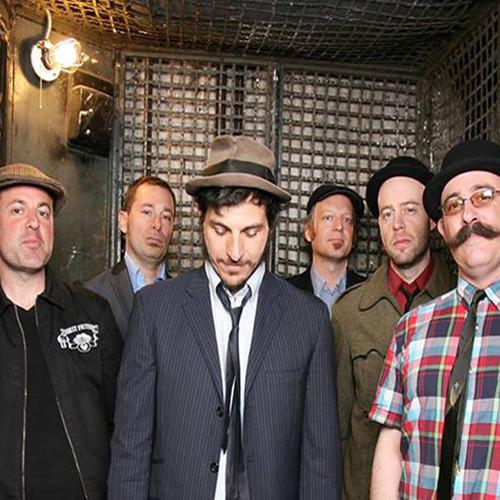
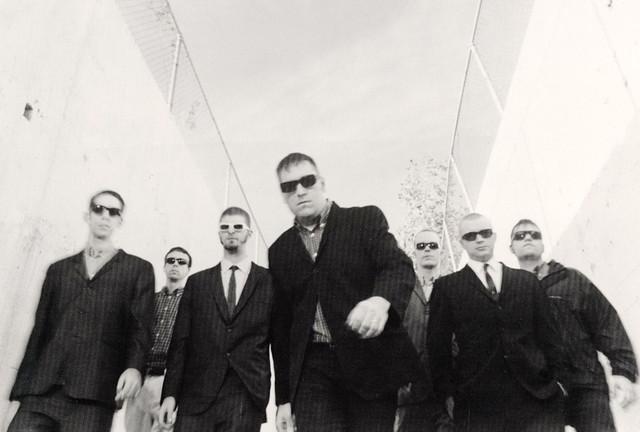
The Aggrolites’ Spotify BioThe Aggrolites are a 21st century ska band on a mission to remind modern audiences what proper ska sounded like, whether in Kingston in 1963 or in London in 1979. The Aggrolites formed in 2002, originally getting together as the backing band for a one-off Los Angeles show backing Jamaican music legend Derrick Morgan. Gathering members from two minor Southern California reggae acts, the new band consisted of vocalist and lead guitarist Jesse Wagner, rhythm guitarist Brian Dixon, organist Roger Rivas, bassist J. Bonner, and drummer Korey Horn. The concert was a success, and the band stuck together to record an album with Morgan that was never completed.
Emboldened despite the recording setback, the band took the name the Aggrolites ("aggro" being a slang term of the ska-loving skinhead subculture of Britain in the 1960s and '70s, meaning pent-up aggression, and "lites" in tribute to the greatest ska band of all time, the Skatalites) and became the go-to guys on the West Coast ska and… reggae circuit, backing a wide variety of golden-age Jamaican and British artists on their American dates, including the great Prince Buster and Culture lead singer Joseph Hill. On their own, with Rivas' funky organ work taking the instrumental lead in substitution for their lack of a horn section and Wagner taking vocal duties, the Aggrolites recorded their debut album, Dirty Reggae, at a live-in-the-studio session in 2003.
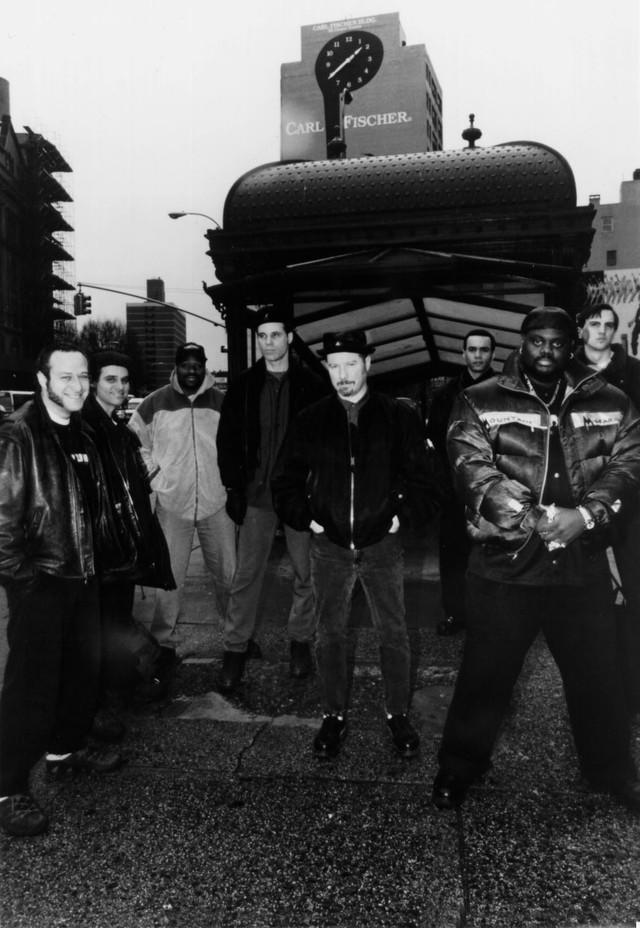
Replacing Horn with new drummer Scott Abels (formerly of the popular third wave ska band Hepcat), the Aggrolites signed to the Epitaph Records subsidiary Hellcat Records in 2005. Their second album, The Aggrolites, was released in May 2006, with their third, Reggae Hit L.A., following in June 2007, by which time drummer Horn had returned to the fold along with new bass player Jeff Roffredo. In 2009, the Aggrolites released IV; it was their last album for Hellcat Records, and their fifth LP, Rugged Road, was issued by Young Cub Records in 2011. After releasing a live disc in 2012, the group's release schedule slowed, but in 2017 they teamed with Dela of Slightly Stoopid, backing him up on his debut album, Opening Night. By this time, the Aggrolites' membership had shifted again, with Rivas, Wagner, and Roffredo joined by rhythm guitarist Ricky Chacon and drummer Alex McKenzie. This lineup was responsible for 2019's Reggae Now!, the band's first full-length release in eight years. ~ Stewart Mason, Rovi
Viberate is a music analytics platform built for A&Rs, artist managers, labels, booking agents, marketers, and artists.
It helps music professionals track artist growth, analyze audience data, monitor playlist activity, compare artists, follow song performance, and identify opportunities across the music market.
Public artist pages provide a free preview of selected artist data. Paid plans provide access to deeper analytics, historical data, charts, comparisons, playlist tools, exports, alerts, reports, and additional professional features.
Yes. Public Viberate artist pages provide selected artist analytics and music data for free.
Viberate also offers a 7-day free trial of the full platform. A credit card is required to start the trial. The trial includes access to the complete product so users can test deeper artist analytics, historical views, playlist insights, comparisons, charts, exports, alerts, and reporting features before choosing a paid plan.
Viberate provides artist analytics across streaming, playlists, social media, video, radio airplay, songs, and audience markets.
Users can analyze Spotify performance, Spotify and Apple Music playlists, YouTube activity, TikTok and Instagram growth, radio spins, song performance, audience locations, demographics, rankings, and overall artist momentum.
Artist profiles also connect to music charts, similar artists, and comparison tools, helping users benchmark performance and evaluate artists in context.
Viberate updates key artist and track data daily.
For followed artists and tracks, selected data is refreshed multiple times per day. This helps teams monitor playlist changes, streaming movement, audience growth, releases, and campaign performance with more current data.
Update frequency can vary depending on the metric and data source.
Yes. Viberate lets users compare up to five artists side by side across streaming, social media, audience, and engagement metrics.
Users can compare fanbase growth, audience demographics, locations, Spotify performance, social metrics, and other artist data over selected time periods.
Artist comparison can be used for A&R scouting, benchmarking, booking decisions, campaign planning, and evaluating artists with similar audiences or market positions.