Hepcat

Reggae
Ska
 Viberate Rank: 111570
 Viberate Rank: 111570
 Monthly ListenersFollowers
 Subscribers
 Followers
 Followers
 FansTop Spotify Songs
| Track | 7-Day Streams | |
|---|---|---|
1 | 6.53K | |
2 | 5.63K | |
3 | 4.16K | |
4 | 1.78K | |
5 | 1.50K |
Top YouTube Videos| Video | 7-Day Views | |
|---|---|---|
1 | 17 | |
2 | 9 |
Monthly ListenersFeatured in Playlists| Playlist | Followers | |
|---|---|---|
1 |  The Essential Ska Spotify | 415.26K |
2 | SKA Kevin McLaughlin | 111.43K |
3 |  🇺🇸 Cali Reggae @calireggaespotify 🇺🇸 Cali Reggae | 47.38K |
4 |  Ska Punk Essentials Kousa_cs | 33.50K |
5 | 90's era Ska & Punk mix Dick Duffy | 17.34K |
Audience| City | Monthly Listeners | |
|---|---|---|
1 | | 1.01K |
2 |  | 757 |
3 |  | 705 |
4 | | 664 |
5 | | 560 |
See full performance history, audience data, playlist activity, rankings, comparisons, and more in Viberate music analytics. Start with a free trial, then continue with a paid plan.
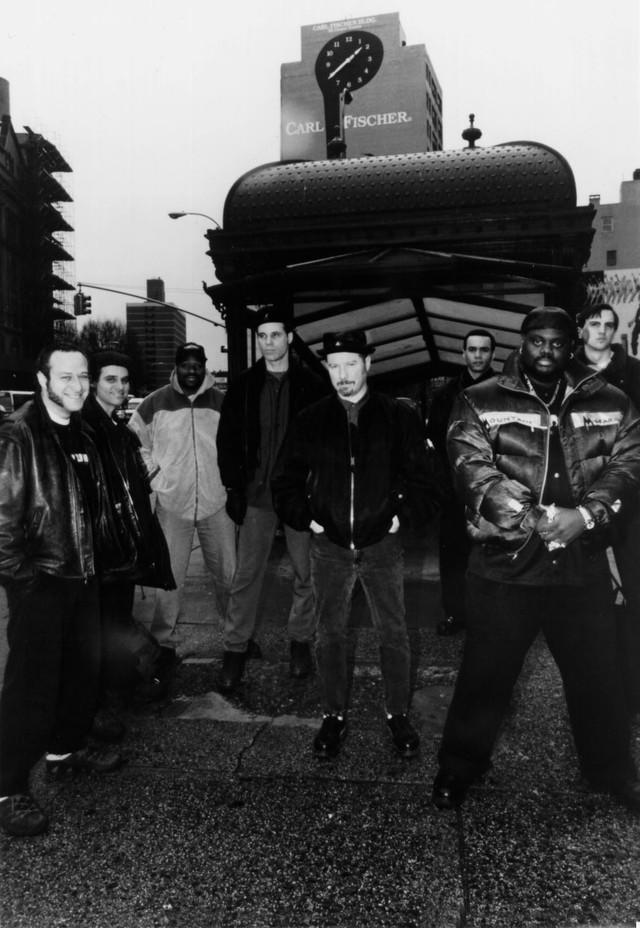
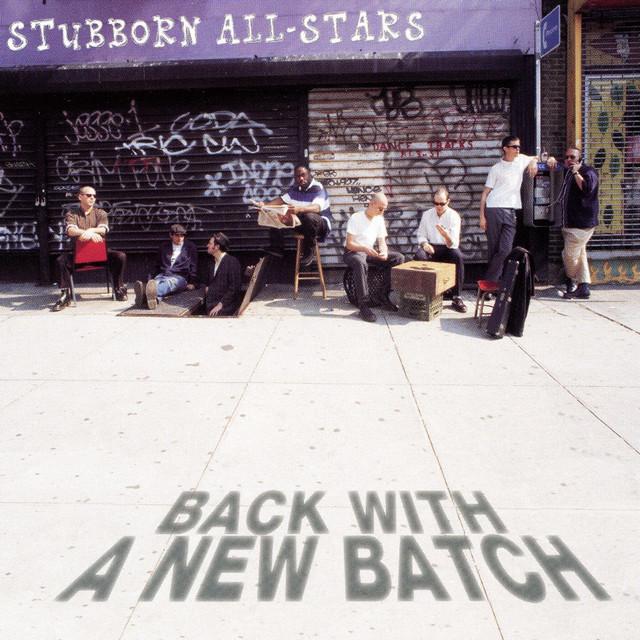
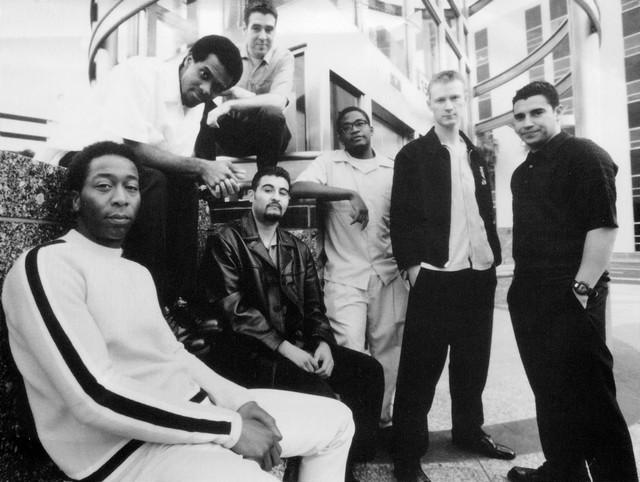
Hepcat’s Spotify BioHepcat was among the most celebrated bands to emerge from the Southern California ska revival scene of the 1990s, winning fans with their infectious Caribbean melodies, soulful harmonies and swinging rhythms, all informed by elements of reggae, rock steady, R&B and jazz. Comprising vocalists Greg Lee and Alex Desert, keyboardist Deston Berry, guitarist Aaron Owens, bassist Dave Fuentes, saxophonists Efren Santana and Raul Talavera, trumpeter Kincaid Smith and drummer Scott Abels, Hepcat was formed in 1989; word quickly spread, and in 1993 they issued their debut LP, Out of Nowhere. After 1996's Scientific, they signed to Epitaph, touring as a featured artist on the following year's Warped Tour before releasing their third LP, Right on Time, in 1998 and Push N' Shove followed in summer 2000. Hepcat vocalist Greg Lee died on March 19, 2024; he was 53 years of age. ~ Jason Ankeny, Rovi
Viberate is a music analytics platform built for A&Rs, artist managers, labels, booking agents, marketers, and artists.
It helps music professionals track artist growth, analyze audience data, monitor playlist activity, compare artists, follow song performance, and identify opportunities across the music market.
Public artist pages provide a free preview of selected artist data. Paid plans provide access to deeper analytics, historical data, charts, comparisons, playlist tools, exports, alerts, reports, and additional professional features.
Yes. Public Viberate artist pages provide selected artist analytics and music data for free.
Viberate also offers a 7-day free trial of the full platform. A credit card is required to start the trial. The trial includes access to the complete product so users can test deeper artist analytics, historical views, playlist insights, comparisons, charts, exports, alerts, and reporting features before choosing a paid plan.
Viberate provides artist analytics across streaming, playlists, social media, video, radio airplay, songs, and audience markets.
Users can analyze Spotify performance, Spotify and Apple Music playlists, YouTube activity, TikTok and Instagram growth, radio spins, song performance, audience locations, demographics, rankings, and overall artist momentum.
Artist profiles also connect to music charts, similar artists, and comparison tools, helping users benchmark performance and evaluate artists in context.
Viberate updates key artist and track data daily.
For followed artists and tracks, selected data is refreshed multiple times per day. This helps teams monitor playlist changes, streaming movement, audience growth, releases, and campaign performance with more current data.
Update frequency can vary depending on the metric and data source.
Yes. Viberate lets users compare up to five artists side by side across streaming, social media, audience, and engagement metrics.
Users can compare fanbase growth, audience demographics, locations, Spotify performance, social metrics, and other artist data over selected time periods.
Artist comparison can be used for A&R scouting, benchmarking, booking decisions, campaign planning, and evaluating artists with similar audiences or market positions.