Terry Evans

Blues
Classic Blues
Contemporary Blues
 Viberate Rank: 327651
 Viberate Rank: 327651
 Monthly ListenersFollowers
 Subscribers
 Followers
 Followers
 FansTop Spotify Songs
| Track | 7-Day Streams | |
|---|---|---|
1 | 1.20K | |
2 | 1.15K | |
3 | 758 | |
4 | 444 | |
5 | 370 |
Top YouTube VideosMonthly ListenersFeatured in Playlists| Playlist | Followers | |
|---|---|---|
1 | ADHD Dopamine Mashups Ashley Kinkela | 134.57K |
2 |  Whiskey Blues 🥃 Тhe Original | The Best Slow Blues / Blues Rock Don's Tunes | 85.92K |
3 |  Funky Blues Spotify | 67.72K |
4 | Slow Blues The Blues Room | 28.09K |
5 |  High Quality Audiophile Music Jujubegamer | 20.14K |
Audience| City | Monthly Listeners | |
|---|---|---|
1 |  | 232 |
2 |  | 98 |
3 | | 95 |
4 |  | 85 |
5 | | 84 |
See full performance history, audience data, playlist activity, rankings, comparisons, and more in Viberate music analytics. Start with a free trial, then continue with a paid plan.
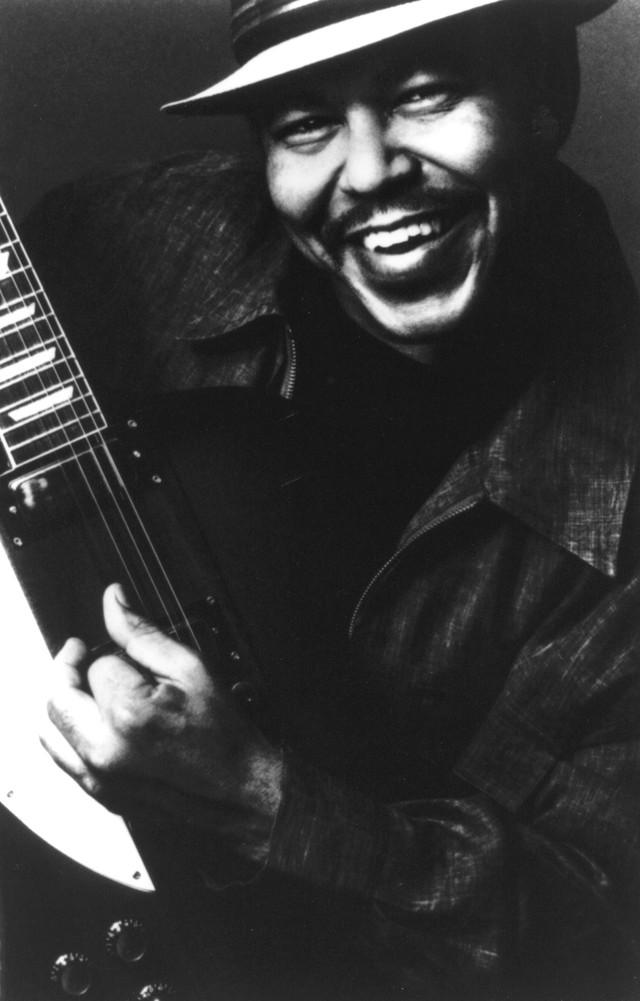
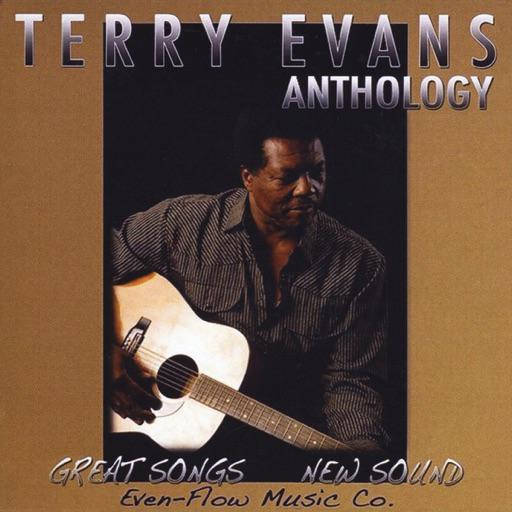
Terry Evans’ Spotify BioTerry Evans eventually became a soulful, gospel-flavored vocalist fronting a band, but his career took many steps to reach that pinnacle. Like many blues artists, his first exposure to music was in church, where he sang in the junior choir. As is often the case, his parents allowed him to sing only gospel, but on the sneak, he listened to blues artists such as Elmore James, Little Walter, Albert King, and B.B. King. His first break was as a member of a Southern vocal group, the Knights. From there, he moved to Southern California and began picking up guitar and writing songs. Among the songs he wrote were "Love Is a Precious Thing," which was recorded by Pops Staples, and "Hop, Skip, and Jump," recorded by Louis Jordan.
In the '70s, he performed as a duo with Bobby King on the chitlin circuit, playing their brand of Stax-styled soul and gospel. A hard-working performer, Evans continued with King while at the same time working as a background vocalist for Ry Cooder, both on Cooder's… albums and in his touring band. Evans' breakthrough came during the movie Crossroads, where he sang lead on "Down in Mississippi" and the title piece.
In 1993, Evans released his first solo album, Blues for Thought, on Pointblank. While providing backing vocal tracks for Lloyd Jones' Trouble Monkey, he attracted the attention of record producer Joe Harley, who then signed Evans to Audioquest. Evans recorded two fine albums with Harley, Puttin' It Down and Come to the River. Walk That Walk followed in early 2000; Mississippi Magic was issued a year later, and Live Like a Hurricane arrived in 2003. Crosscut Records issued his Fire in the Feeling album in 2005, and he paired with Dutch blues artist Hans Theessink for the Blue Groove label releases Visions (2008), Delta Time (also featuring Ry Cooder, 2012), and True & Blue Live (2015). Terry Evans died at a Los Angeles Hospital in January 2018 after becoming ill during a European tour; he was 80 years old. ~ Char Ham, Rovi
Viberate is a music analytics platform built for A&Rs, artist managers, labels, booking agents, marketers, and artists.
It helps music professionals track artist growth, analyze audience data, monitor playlist activity, compare artists, follow song performance, and identify opportunities across the music market.
Public artist pages provide a free preview of selected artist data. Paid plans provide access to deeper analytics, historical data, charts, comparisons, playlist tools, exports, alerts, reports, and additional professional features.
Yes. Public Viberate artist pages provide selected artist analytics and music data for free.
Viberate also offers a 7-day free trial of the full platform. A credit card is required to start the trial. The trial includes access to the complete product so users can test deeper artist analytics, historical views, playlist insights, comparisons, charts, exports, alerts, and reporting features before choosing a paid plan.
Viberate provides artist analytics across streaming, playlists, social media, video, radio airplay, songs, and audience markets.
Users can analyze Spotify performance, Spotify and Apple Music playlists, YouTube activity, TikTok and Instagram growth, radio spins, song performance, audience locations, demographics, rankings, and overall artist momentum.
Artist profiles also connect to music charts, similar artists, and comparison tools, helping users benchmark performance and evaluate artists in context.
Viberate updates key artist and track data daily.
For followed artists and tracks, selected data is refreshed multiple times per day. This helps teams monitor playlist changes, streaming movement, audience growth, releases, and campaign performance with more current data.
Update frequency can vary depending on the metric and data source.
Yes. Viberate lets users compare up to five artists side by side across streaming, social media, audience, and engagement metrics.
Users can compare fanbase growth, audience demographics, locations, Spotify performance, social metrics, and other artist data over selected time periods.
Artist comparison can be used for A&R scouting, benchmarking, booking decisions, campaign planning, and evaluating artists with similar audiences or market positions.