Larry Garner

Blues
Classic Blues
Contemporary Blues
 Viberate Rank: 261556
 Viberate Rank: 261556
 Monthly ListenersFollowers
 Subscribers
 Followers
 Followers
 FansTop Spotify Songs
| Track | 7-Day Streams | |
|---|---|---|
1 | 5.48K | |
2 | 437 | |
3 | 280 | |
4 | 179 | |
5 | 176 |
Top YouTube VideosMonthly ListenersFeatured in Playlists| Playlist | Followers | |
|---|---|---|
1 |  Whiskey Blues 🥃 Тhe Original | The Best Slow Blues / Blues Rock Don's Tunes | 85.92K |
2 |  Slow Blues & Blues Rock | Don's Tunes Don's Tunes | 19.74K |
3 |  Ultimate Blues Playlist Marcus | 10.62K |
4 |  Funky Blues Joar Fosså | 9.54K |
5 |  Piano Blues Joar Fosså | 4.87K |
Audience| City | Monthly Listeners | |
|---|---|---|
1 |  | 239 |
2 | | 203 |
3 |  | 169 |
4 | | 157 |
5 |  | 146 |
See full performance history, audience data, playlist activity, rankings, comparisons, and more in Viberate music analytics. Start with a free trial, then continue with a paid plan.
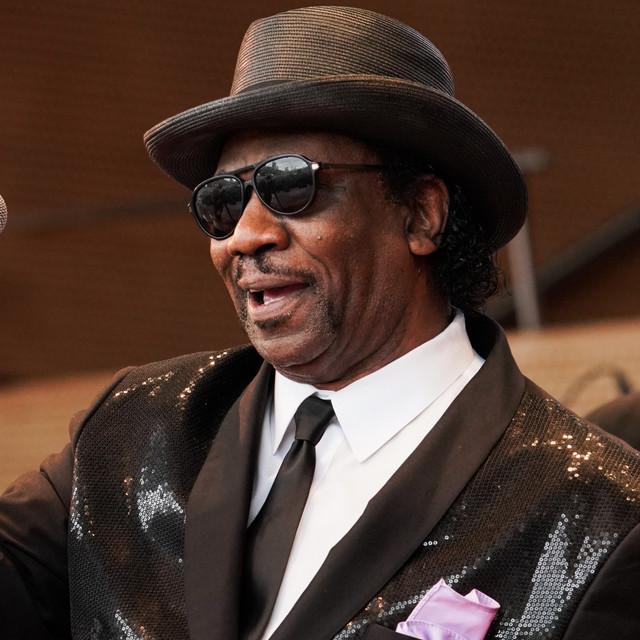
Larry Garner’s Spotify BioFolks in Europe were hip to Larry Garner long before most blues fans in the states. The Baton Rouge guitarist had already toured extensively overseas, with two British albums to his credit, before Verve issued his stunning domestic debut, You Need to Live a Little, in 1995. Rooted in the swamp blues tradition indigenous to his Baton Rouge environs, Garner brings a laudable contemporary sensibility and witty composing skills to his craft.
Inspired by local swamp bluesmen Silas Hogan and Clarence Edwards, Garner learned how to play guitar from his uncle and a couple of gospel-playing elders. After completing his military service in Korea, he returned to Baton Rouge and embarked on a part-time musical career (he worked at a Dow chemical plant for almost two decades until his recent retirement).
The British JSP label released Garner's first two albums: Double Dues and Too Blues (the latter an ironic slap at an unidentified tin-eared U.S. blues label boss who deemed Garner's demo tape "too… blues"). For You Need to Live a Little, Garner delivers creative originals detailing the difficulty of keeping "Four Cars Running" and the universal pain of suffering through "Another Bad Day." He is poised for 21st century blues stardom. Subsequent efforts include 1998's Standing Room Only, 1999's Baton Rouge, and 2000's Once Upon the Blues. ~ Bill Dahl, Rovi
Viberate is a music analytics platform built for A&Rs, artist managers, labels, booking agents, marketers, and artists.
It helps music professionals track artist growth, analyze audience data, monitor playlist activity, compare artists, follow song performance, and identify opportunities across the music market.
Public artist pages provide a free preview of selected artist data. Paid plans provide access to deeper analytics, historical data, charts, comparisons, playlist tools, exports, alerts, reports, and additional professional features.
Yes. Public Viberate artist pages provide selected artist analytics and music data for free.
Viberate also offers a 7-day free trial of the full platform. A credit card is required to start the trial. The trial includes access to the complete product so users can test deeper artist analytics, historical views, playlist insights, comparisons, charts, exports, alerts, and reporting features before choosing a paid plan.
Viberate provides artist analytics across streaming, playlists, social media, video, radio airplay, songs, and audience markets.
Users can analyze Spotify performance, Spotify and Apple Music playlists, YouTube activity, TikTok and Instagram growth, radio spins, song performance, audience locations, demographics, rankings, and overall artist momentum.
Artist profiles also connect to music charts, similar artists, and comparison tools, helping users benchmark performance and evaluate artists in context.
Viberate updates key artist and track data daily.
For followed artists and tracks, selected data is refreshed multiple times per day. This helps teams monitor playlist changes, streaming movement, audience growth, releases, and campaign performance with more current data.
Update frequency can vary depending on the metric and data source.
Yes. Viberate lets users compare up to five artists side by side across streaming, social media, audience, and engagement metrics.
Users can compare fanbase growth, audience demographics, locations, Spotify performance, social metrics, and other artist data over selected time periods.
Artist comparison can be used for A&R scouting, benchmarking, booking decisions, campaign planning, and evaluating artists with similar audiences or market positions.