Terrorvision

Rock
Hard Rock
Alternative Rock
 Viberate Rank: 107393
 Viberate Rank: 107393
 Monthly ListenersFollowers
 Subscribers
 Followers
 Followers
 FansTop Spotify Songs
| Track | 7-Day Streams | |
|---|---|---|
1 | 9.05K | |
2 | 6.20K | |
3 | 4.22K | |
4 | 3.24K | |
5 | 2.06K |
Top YouTube Videos| Video | 7-Day Views | |
|---|---|---|
1 | 131 | |
2 | 58 |
Monthly ListenersFeatured in Playlists| Playlist | Followers | |
|---|---|---|
1 |  Now 1 - 114 (1983 - 2023) Now That's What I Call Music 1 - 114 abundantmusic | 56.69K |
2 | 90's Hits rotxe73 | 31.70K |
3 | 90s sam85uk | 27.68K |
4 |  Rock FM 500 (ACTUALIZADO 2026) Diestro Music | 21.88K |
5 | Drinking Songs Spotify UK | 16.92K |
Audience| City | Monthly Listeners | |
|---|---|---|
1 | | 4.47K |
2 | | 3.13K |
3 | | 1.50K |
4 | | 1.29K |
5 |  | 904 |
See full performance history, audience data, playlist activity, rankings, comparisons, and more in Viberate music analytics. Start with a free trial, then continue with a paid plan.
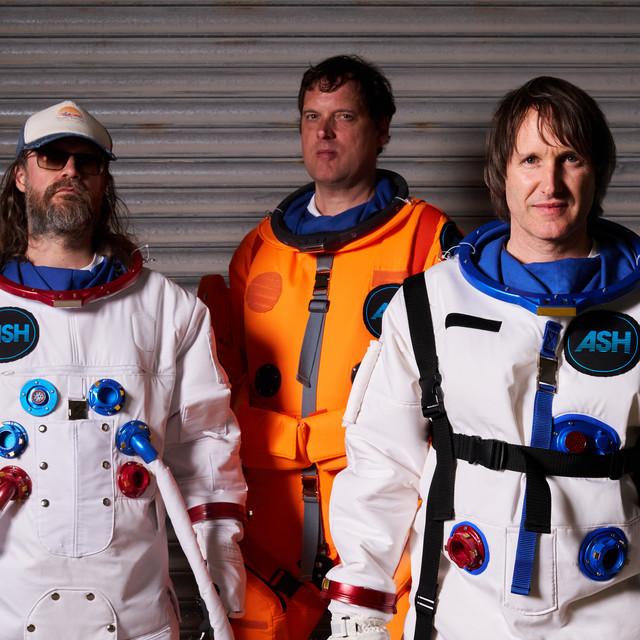
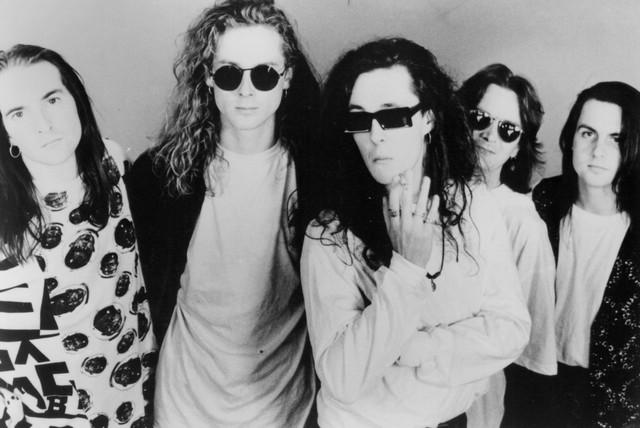
Terrorvision’s Spotify BioFormed in 1988, Terrorvision’s aim to be the biggest band from Bradford (beginning with ‘T’) still holds true. Five hit albums and 13 Top 40 singles (peaking at No.2!) between 1993 and 2001 saw them catapulted from pub gigs in Yorkshire to arena’s and major festival stages across Europe.
Whether they were doo-wopping their way to Oblivion, hailing the advice of whales and dolphins in Perseverance, or celebrating the mind-altering properties of a certain strain of cactus juice, Terrorvision made friends and influenced fans across the world and confirmed themselves as the ‘go to’ rock band for festival fun and games throughout the 90s.
2001 saw an end to the ride. Frazzled and brain-fried after ten straight years on the road, the band went their separate ways to try out other things, in life and in music. A handful of gigs and festival appearances from 2005-2010 led to the band writing and releasing their first album for ten years, Super Delux.
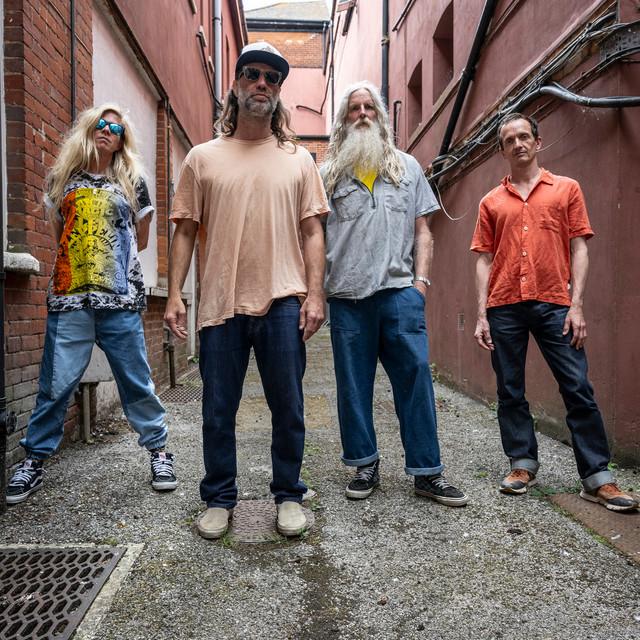
Getting back together in 2016, the band have… continued to play sell-out shows across the UK, celebrating anniversary's of their biggest albums, making a movie (2017s 'Wired up and Scary') and disrupting festivals with their unique brand of Yorkshire-flavoured in-yer-face pop punk metal rock. 2023 heralded a fresh start for the boys - welcoming new drummer, Chris Bussey into the fold and recording their first, all-original new album in 12 years. 'We Are Not Robots' is released on 19 September 2024, and will be a joyride to behold!
Viberate is a music analytics platform built for A&Rs, artist managers, labels, booking agents, marketers, and artists.
It helps music professionals track artist growth, analyze audience data, monitor playlist activity, compare artists, follow song performance, and identify opportunities across the music market.
Public artist pages provide a free preview of selected artist data. Paid plans provide access to deeper analytics, historical data, charts, comparisons, playlist tools, exports, alerts, reports, and additional professional features.
Yes. Public Viberate artist pages provide selected artist analytics and music data for free.
Viberate also offers a 7-day free trial of the full platform. A credit card is required to start the trial. The trial includes access to the complete product so users can test deeper artist analytics, historical views, playlist insights, comparisons, charts, exports, alerts, and reporting features before choosing a paid plan.
Viberate provides artist analytics across streaming, playlists, social media, video, radio airplay, songs, and audience markets.
Users can analyze Spotify performance, Spotify and Apple Music playlists, YouTube activity, TikTok and Instagram growth, radio spins, song performance, audience locations, demographics, rankings, and overall artist momentum.
Artist profiles also connect to music charts, similar artists, and comparison tools, helping users benchmark performance and evaluate artists in context.
Viberate updates key artist and track data daily.
For followed artists and tracks, selected data is refreshed multiple times per day. This helps teams monitor playlist changes, streaming movement, audience growth, releases, and campaign performance with more current data.
Update frequency can vary depending on the metric and data source.
Yes. Viberate lets users compare up to five artists side by side across streaming, social media, audience, and engagement metrics.
Users can compare fanbase growth, audience demographics, locations, Spotify performance, social metrics, and other artist data over selected time periods.
Artist comparison can be used for A&R scouting, benchmarking, booking decisions, campaign planning, and evaluating artists with similar audiences or market positions.