Tenpole Tudor

Punk
Punk Rock
Garage Rock
 Viberate Rank: 131920
 Viberate Rank: 131920
 Monthly ListenersFollowers
 Subscribers
 Followers
 Followers
 FansTop Spotify Songs
| Track | 7-Day Streams | |
|---|---|---|
1 | 24.84K | |
2 | 5.30K | |
3 | 1.05K | |
4 | 913 | |
5 | 326 |
Top YouTube VideosMonthly ListenersFeatured in Playlists| Playlist | Followers | |
|---|---|---|
1 |  Ska, Mod, Punk and New Wave Mr Generation X | 20.89K |
2 | 🇬🇧 UK THROWBACK BANGERS Sarah Akers | 19.09K |
3 | Vlaamse slagers en meezingers Tim Verstraeten | 16.69K |
4 |  Gulf War Vibes pinkfloyd_lover1 | 15.29K |
5 | British Punk Rock (1976 - Present) Punkyn | 14.78K |
Audience| City | Monthly Listeners | |
|---|---|---|
1 | | 5.26K |
2 | | 3.25K |
3 | | 1.79K |
4 | | 1.63K |
5 |  | 733 |
See full performance history, audience data, playlist activity, rankings, comparisons, and more in Viberate music analytics. Start with a free trial, then continue with a paid plan.
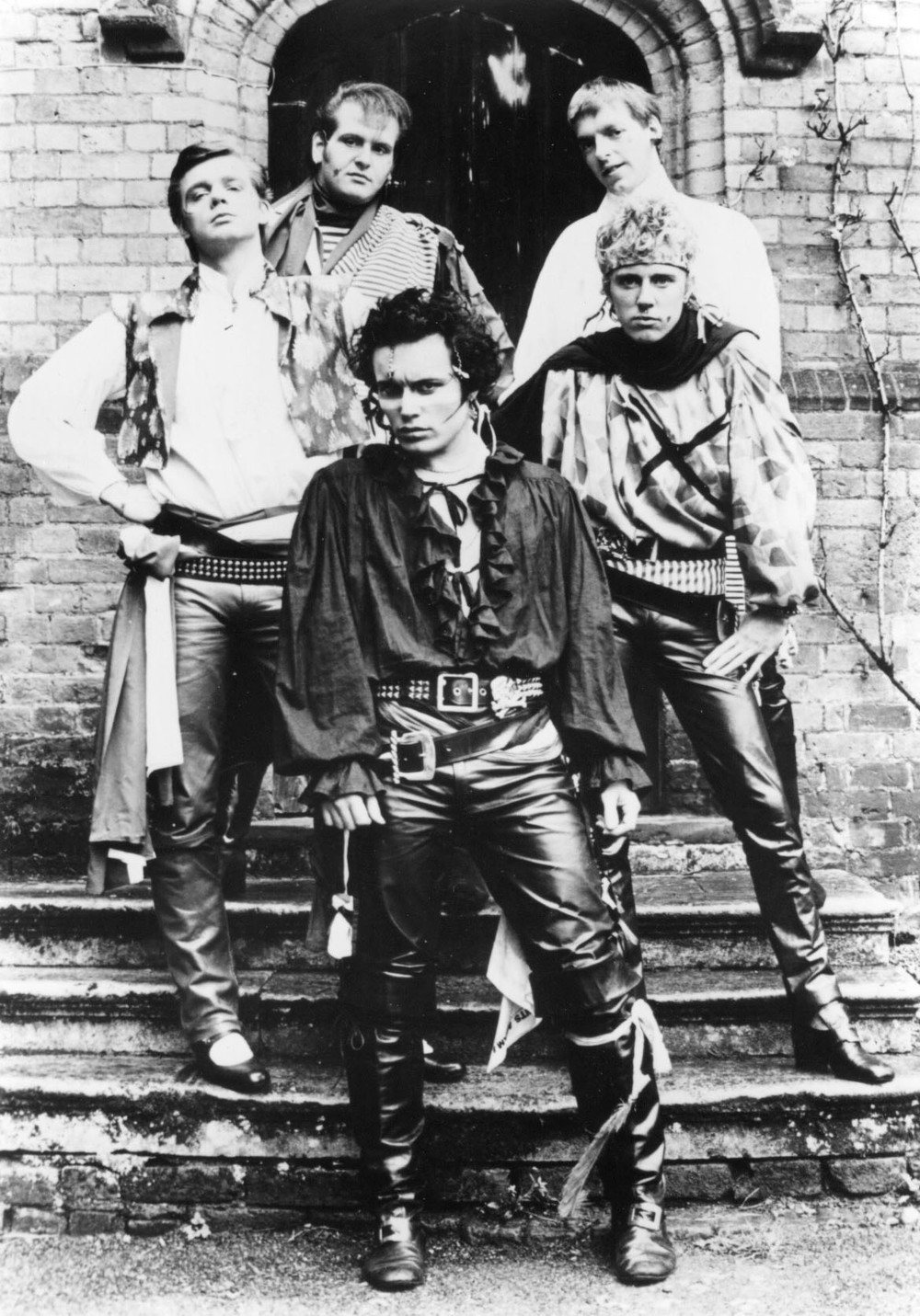
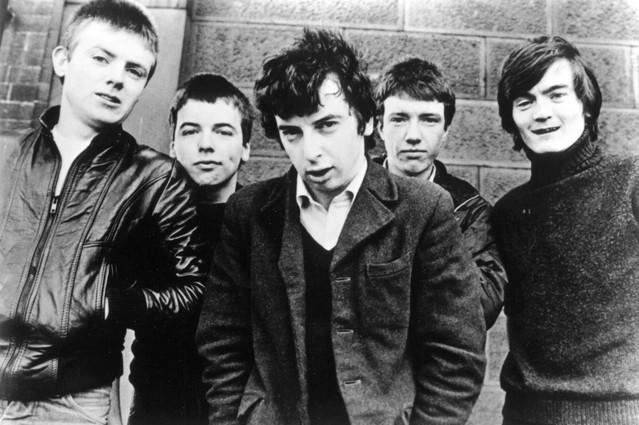
Tenpole Tudor’s Spotify BioTenpole Tudor were one the strangest and silliest groups on Stiff Records, a label that was known for its oddball clients. Led by Eddie Tudor (born Edward Tudorpole), a former actor who could barely carry a tune, the group played a mixture of punk, roots rock, pop, and British dancehall music, developing a thoroughly entertaining and ridiculous style. Tudor formed the band in 1974 with guitarist Bob Kingston, bassist Dick Crippen, and drummer Gary Long. Before recording the band's first album, Tudor appeared in the Sex Pistols' movie The Great Rock 'n' Roll Swindle, singing "Who Killed Bambi." After releasing a single on Korova Records, the group joined the Stiff roster, releasing "Three Bells in a Row."
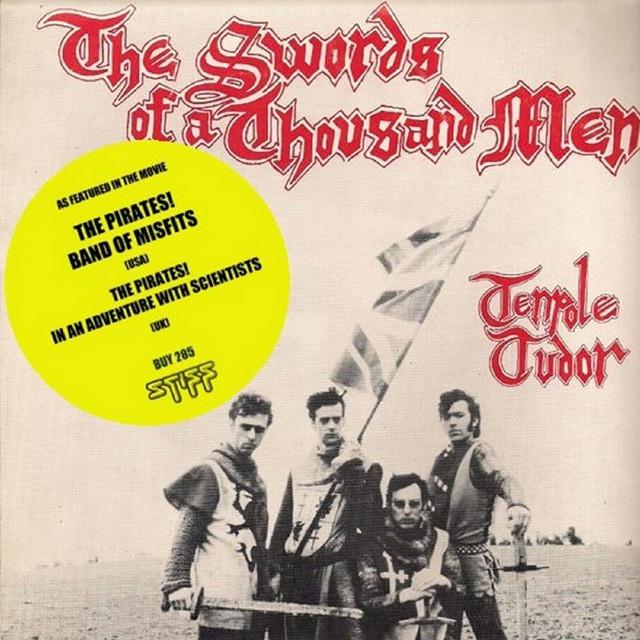
Tenpole Tudor released their debut album, Eddie, Old Bob, Dick and Gary, in 1981; it sold well, launching two minor singles in addition to "Three Bells in a Row": "Wunderbar" and "Swords of a Thousand Men." That same year, the group released its second album, Let the Four Winds Blow,… which also performed well. The following year, Eddie Tudor broke up Tenpole Tudor; while he led a Cajun-inspired version of Tenpole Tudor, the rest of the band became the Tudors. After the new incarnation of Tenpole Tudor failed, Tudor left Stiff Records and began performing in jazz and swing bands, as well as returning to acting. New versions of Tenpole Tudor were assembled throughout the subsequent years, although Tudor chiefly focused on acting until 2009, when he released the band's third album. Made It This Far was followed by a national tour, which the frontman deemed "an electronic one-man stadium show." ~ Stephen Thomas Erlewine
Viberate is a music analytics platform built for A&Rs, artist managers, labels, booking agents, marketers, and artists.
It helps music professionals track artist growth, analyze audience data, monitor playlist activity, compare artists, follow song performance, and identify opportunities across the music market.
Public artist pages provide a free preview of selected artist data. Paid plans provide access to deeper analytics, historical data, charts, comparisons, playlist tools, exports, alerts, reports, and additional professional features.
Yes. Public Viberate artist pages provide selected artist analytics and music data for free.
Viberate also offers a 7-day free trial of the full platform. A credit card is required to start the trial. The trial includes access to the complete product so users can test deeper artist analytics, historical views, playlist insights, comparisons, charts, exports, alerts, and reporting features before choosing a paid plan.
Viberate provides artist analytics across streaming, playlists, social media, video, radio airplay, songs, and audience markets.
Users can analyze Spotify performance, Spotify and Apple Music playlists, YouTube activity, TikTok and Instagram growth, radio spins, song performance, audience locations, demographics, rankings, and overall artist momentum.
Artist profiles also connect to music charts, similar artists, and comparison tools, helping users benchmark performance and evaluate artists in context.
Viberate updates key artist and track data daily.
For followed artists and tracks, selected data is refreshed multiple times per day. This helps teams monitor playlist changes, streaming movement, audience growth, releases, and campaign performance with more current data.
Update frequency can vary depending on the metric and data source.
Yes. Viberate lets users compare up to five artists side by side across streaming, social media, audience, and engagement metrics.
Users can compare fanbase growth, audience demographics, locations, Spotify performance, social metrics, and other artist data over selected time periods.
Artist comparison can be used for A&R scouting, benchmarking, booking decisions, campaign planning, and evaluating artists with similar audiences or market positions.