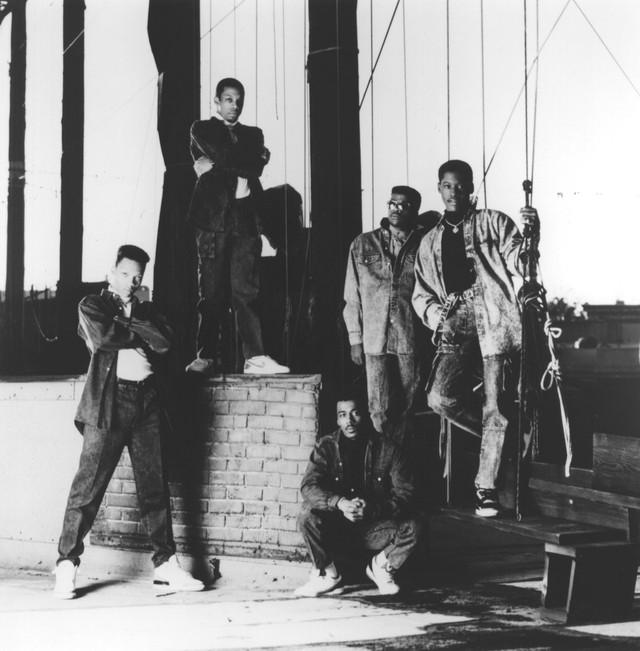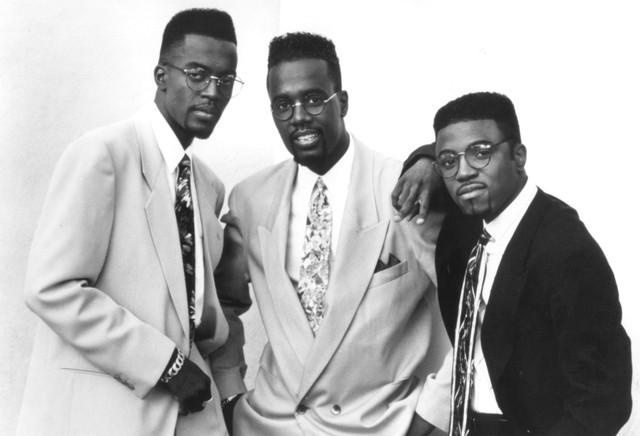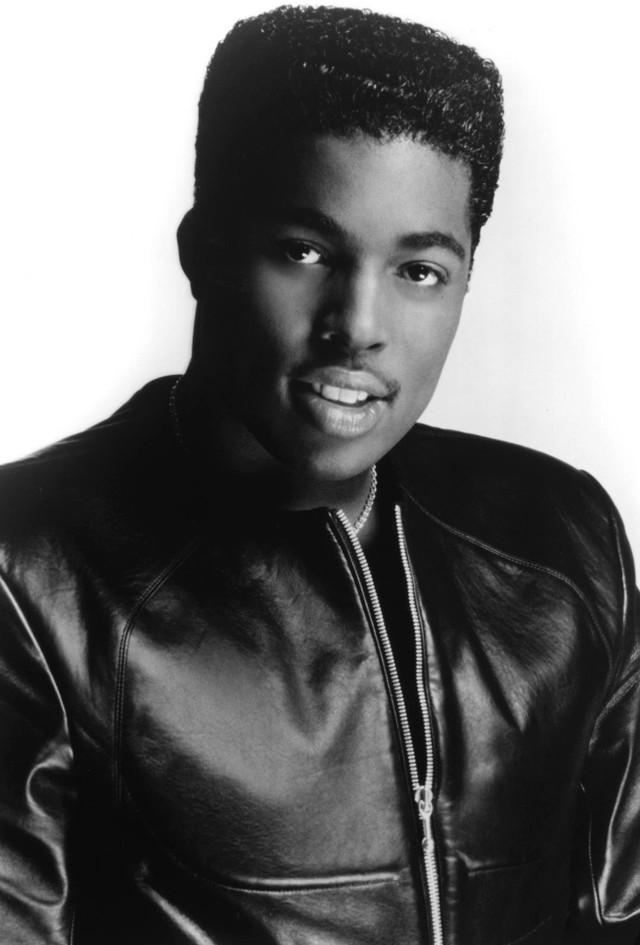
Teddy Riley

R&B
Contemporary R&B
 Viberate Rank: 28141
 Viberate Rank: 28141
 Monthly ListenersFollowers
 Subscribers
 Followers
 Followers
 FansTop Spotify SongsTop YouTube Videos
| Video | 7-Day Views | |
|---|---|---|
1 | 35.26K | |
2 | 1.42K | |
3 | 534 | |
4 | 487 | |
5 | 454 |
Monthly ListenersFeatured in Playlists| Playlist | Followers | |
|---|---|---|
1 |  Bedroom Playlist 2026 🔥 Pixel Aesthetic | 631.94K |
2 |  Freaky Playlist • Sex Music 😏👅💦 Noémi Reyes | 242.19K |
3 |  hot songs 2026 🥵 Pixel Aesthetic | 229.38K |
4 |  This Is The Pussycat Dolls Spotify | 130.35K |
5 |  Sex Songs 2026 😈 Bedroom Playlist Den Haku Records | 115.49K |
Audience| City | Monthly Listeners | |
|---|---|---|
1 |  | 1.96K |
2 | | 1.54K |
3 | | 1.32K |
4 | | 1.16K |
5 |  | 1.15K |
See full performance history, audience data, playlist activity, rankings, comparisons, and more in Viberate music analytics. Start with a free trial, then continue with a paid plan.
Teddy Riley’s Spotify BioThe acknowledged "King of New Jack Swing," producer/songwriter Teddy Riley's enviable list of platinum-laced credits include Guy, the Winans, Joe (the Riley-produced "Stutter" topped both the R&B/pop charts in early 2001), Johnny Kemp, Blackstreet, Keith Sweat, Michael Jackson, Mary J. Blige, Hi-Five, and Al B. Sure among many others.
Born in Harlem, Riley grew up in the St. Nicholas projects. He began playing drums at three years old. At five, Riley picked up the guitar and the trumpet. When he turned eight, he began playing piano for the Little Flower Baptist Church. Later, he began playing in bands around New York. After meeting Kool and the Gang member Royal Bayyan, Riley was introduced to the arts of record production and songwriting. Hooking up with Gene Griffin in the mid '80s, Riley's many talents resulted in platinum hits for Guy -- the singing trio that included Riley and brothers Aaron Hall and Damion Hall. One of Riley's early production was Deja's 1988 Virgin LP, We Belong… Together.
In the early 90s, Guy disbanded and Riley formed Blackstreet with Chauncey Hannibal, Dave Hollister, and Levi Little. The self-titled debut album went platinum. Their second album, Another Level, followed suite and spawned the million-seller "No Diggity." Tiring of the rigors of big city life, Riley moved to Virginia, opening his state-of-the art Future Recording Studios in the mid-'90s. ~ Ed Hogan, Rovi
Viberate is a music analytics platform built for A&Rs, artist managers, labels, booking agents, marketers, and artists.
It helps music professionals track artist growth, analyze audience data, monitor playlist activity, compare artists, follow song performance, and identify opportunities across the music market.
Public artist pages provide a free preview of selected artist data. Paid plans provide access to deeper analytics, historical data, charts, comparisons, playlist tools, exports, alerts, reports, and additional professional features.
Yes. Public Viberate artist pages provide selected artist analytics and music data for free.
Viberate also offers a 7-day free trial of the full platform. A credit card is required to start the trial. The trial includes access to the complete product so users can test deeper artist analytics, historical views, playlist insights, comparisons, charts, exports, alerts, and reporting features before choosing a paid plan.
Viberate provides artist analytics across streaming, playlists, social media, video, radio airplay, songs, and audience markets.
Users can analyze Spotify performance, Spotify and Apple Music playlists, YouTube activity, TikTok and Instagram growth, radio spins, song performance, audience locations, demographics, rankings, and overall artist momentum.
Artist profiles also connect to music charts, similar artists, and comparison tools, helping users benchmark performance and evaluate artists in context.
Viberate updates key artist and track data daily.
For followed artists and tracks, selected data is refreshed multiple times per day. This helps teams monitor playlist changes, streaming movement, audience growth, releases, and campaign performance with more current data.
Update frequency can vary depending on the metric and data source.
Yes. Viberate lets users compare up to five artists side by side across streaming, social media, audience, and engagement metrics.
Users can compare fanbase growth, audience demographics, locations, Spotify performance, social metrics, and other artist data over selected time periods.
Artist comparison can be used for A&R scouting, benchmarking, booking decisions, campaign planning, and evaluating artists with similar audiences or market positions.