Tarkio

Rock
Indie Rock
Americana/Alt Country
 Viberate Rank: 342020
 Viberate Rank: 342020
 Monthly ListenersFollowers
 Subscribers
 Followers
 Followers
 FansTop Spotify Songs
| Track | 7-Day Streams | |
|---|---|---|
1 | 2.56K | |
2 | 639 | |
3 | 570 | |
4 | 494 | |
5 | 469 |
Top YouTube VideosMonthly ListenersFeatured in Playlists| Playlist | Followers | |
|---|---|---|
1 | The Morning Spring 2023 Playlist nytimes | 30.66K |
2 | Josh Radnor's Song of the Day Sarah 🎧 | 6.37K |
3 |  Postmodern Americana George González | 4.35K |
4 | Just Great Tunes - Grateful Dead, Wilco, Cage the Elephant, Poi Dog Pondering, My Morning Jacket, et Jeff Richman | 1.92K |
5 |  Songs about Montana David James Henry | 1.20K |
Audience| City | Monthly Listeners | |
|---|---|---|
1 | | 251 |
2 | | 225 |
3 | | 223 |
4 | | 180 |
5 | | 154 |
See full performance history, audience data, playlist activity, rankings, comparisons, and more in Viberate music analytics. Start with a free trial, then continue with a paid plan.
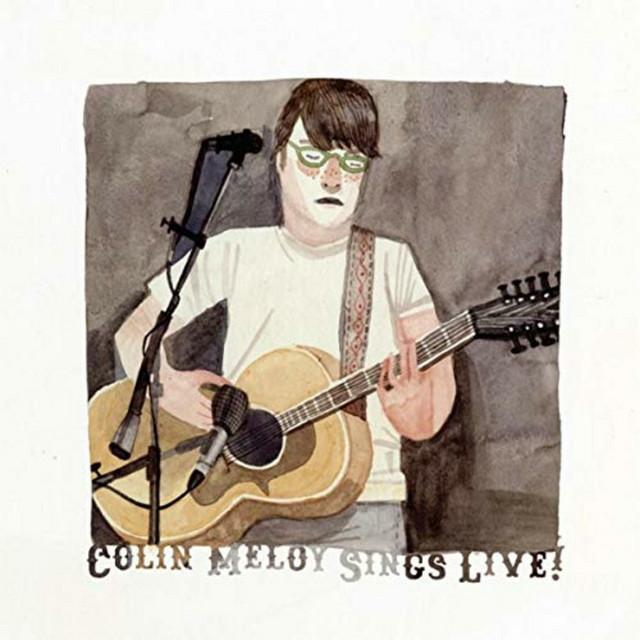
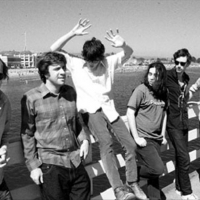
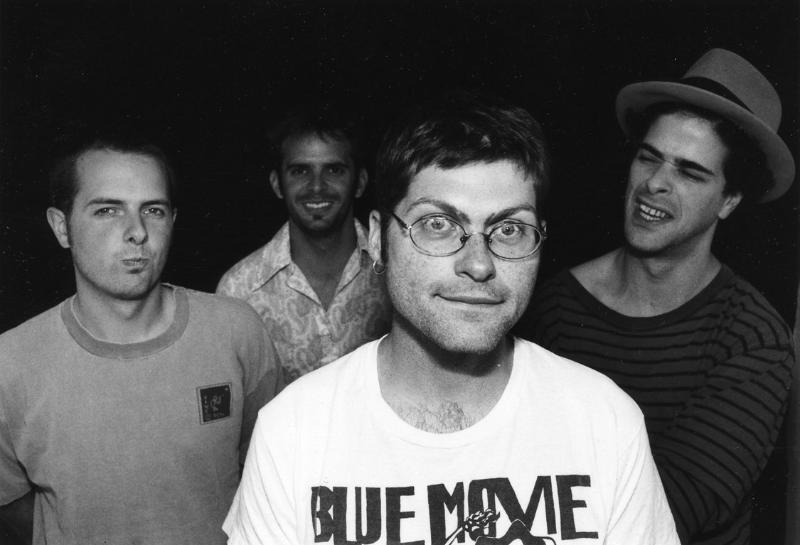
Tarkio’s Spotify BioFormed in 1996 in the college town of Missoula, MT, Tarkio, named for a small city in the western part of the state, featured the talents of guitarist Gibson Hartwell, bass player Louis Stein, drummer Brian Collins, pedal steel player Kevin Suggs, and singer/songwriter and future Decemberist Colin Meloy. The band mined similar musical territory as college rock staples the Go-Betweens, the Waterboys, and R.E.M., employing a blend of alternative country and Americanized Brit-pop that won them a small but loyal regional following. Between 1996 and 1999 they released two records, the full-length I Guess I Was Hoping for Something More and the EP Sea Songs for Landlocked Sailors, both of which were reissued on the Kill Rock Stars label as a two-disc set called Omnibus in 2006. ~ James Christopher Monger, Rovi
Viberate is a music analytics platform built for A&Rs, artist managers, labels, booking agents, marketers, and artists.
It helps music professionals track artist growth, analyze audience data, monitor playlist activity, compare artists, follow song performance, and identify opportunities across the music market.
Public artist pages provide a free preview of selected artist data. Paid plans provide access to deeper analytics, historical data, charts, comparisons, playlist tools, exports, alerts, reports, and additional professional features.
Yes. Public Viberate artist pages provide selected artist analytics and music data for free.
Viberate also offers a 7-day free trial of the full platform. A credit card is required to start the trial. The trial includes access to the complete product so users can test deeper artist analytics, historical views, playlist insights, comparisons, charts, exports, alerts, and reporting features before choosing a paid plan.
Viberate provides artist analytics across streaming, playlists, social media, video, radio airplay, songs, and audience markets.
Users can analyze Spotify performance, Spotify and Apple Music playlists, YouTube activity, TikTok and Instagram growth, radio spins, song performance, audience locations, demographics, rankings, and overall artist momentum.
Artist profiles also connect to music charts, similar artists, and comparison tools, helping users benchmark performance and evaluate artists in context.
Viberate updates key artist and track data daily.
For followed artists and tracks, selected data is refreshed multiple times per day. This helps teams monitor playlist changes, streaming movement, audience growth, releases, and campaign performance with more current data.
Update frequency can vary depending on the metric and data source.
Yes. Viberate lets users compare up to five artists side by side across streaming, social media, audience, and engagement metrics.
Users can compare fanbase growth, audience demographics, locations, Spotify performance, social metrics, and other artist data over selected time periods.
Artist comparison can be used for A&R scouting, benchmarking, booking decisions, campaign planning, and evaluating artists with similar audiences or market positions.