Tânia Maria

Jazz
Smooth Jazz
Latin Jazz
 Viberate Rank: 90144
 Viberate Rank: 90144
 Monthly ListenersFollowers
 Subscribers
 Followers
 Followers
 FansTop Spotify Songs
| Track | 7-Day Streams | |
|---|---|---|
1 | 20.94K | |
2 | 13.16K | |
3 | 4.42K | |
4 | 2.53K | |
5 | 2.10K |
Top YouTube VideosMonthly ListenersFeatured in Playlists| Playlist | Followers | |
|---|---|---|
1 |  real good shit Tom Misch | 165.63K |
2 |  Brazilian Boogie Spotify | 139.64K |
3 |  Disco Funk music 🕺 70 80 90 📻 Enzo Pianzola Mr. Trend | 62.13K |
4 |  Jazz Funk & Groove Guillermo Lanzani Lagomarsino | 36.08K |
5 |  Ah, o Brasil 💚 Spotify | 32.76K |
Audience| City | Monthly Listeners | |
|---|---|---|
1 | | 5.57K |
2 | | 2.67K |
3 |  | 2.19K |
4 |  | 990 |
5 | | 964 |
See full performance history, audience data, playlist activity, rankings, comparisons, and more in Viberate music analytics. Start with a free trial, then continue with a paid plan.
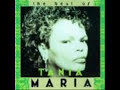
Tânia Maria’s Spotify BioBrazilian jazz vocalist and pianist Tania Maria's career has spanned over three decades, starting when she was just 13 and she fronted a band of professional musicians organized by her father, who was a metal worker and gifted amateur musician. He had encouraged her to study piano so that she could accompany him on his weekend jam sessions, but her musical talent grew beyond those small performances. Maria's four sisters also had musical talents, but they eventually grew from their impoverished roots to become professionals, a path that Maria was on herself as well. She attended law school for two years, then married and had a family. The pull of music was too strong, however, and in 1971 she released her first album in Brazil, Olha Quem Chega. In the late '70s she moved to Paris and expanded her career, touring internationally. A date in Australia brought her to the attention of guitarist Charlie Byrd, who hooked her up with Carl Jefferson, head of Concord Records. The label provided… her with her first international commercial success with her 1984 album Come With Me, and continued to record her music and issue it to an international audience. Based in New York since the '80s, Maria still sings the pop and blues-influenced music that brought her fame, releasing several albums in the '90s. Her first album of the new millennium, Viva Brazil, was also released by Concord Records. ~ Stacia Proefrock, Rovi
Viberate is a music analytics platform built for A&Rs, artist managers, labels, booking agents, marketers, and artists.
It helps music professionals track artist growth, analyze audience data, monitor playlist activity, compare artists, follow song performance, and identify opportunities across the music market.
Public artist pages provide a free preview of selected artist data. Paid plans provide access to deeper analytics, historical data, charts, comparisons, playlist tools, exports, alerts, reports, and additional professional features.
Yes. Public Viberate artist pages provide selected artist analytics and music data for free.
Viberate also offers a 7-day free trial of the full platform. A credit card is required to start the trial. The trial includes access to the complete product so users can test deeper artist analytics, historical views, playlist insights, comparisons, charts, exports, alerts, and reporting features before choosing a paid plan.
Viberate provides artist analytics across streaming, playlists, social media, video, radio airplay, songs, and audience markets.
Users can analyze Spotify performance, Spotify and Apple Music playlists, YouTube activity, TikTok and Instagram growth, radio spins, song performance, audience locations, demographics, rankings, and overall artist momentum.
Artist profiles also connect to music charts, similar artists, and comparison tools, helping users benchmark performance and evaluate artists in context.
Viberate updates key artist and track data daily.
For followed artists and tracks, selected data is refreshed multiple times per day. This helps teams monitor playlist changes, streaming movement, audience growth, releases, and campaign performance with more current data.
Update frequency can vary depending on the metric and data source.
Yes. Viberate lets users compare up to five artists side by side across streaming, social media, audience, and engagement metrics.
Users can compare fanbase growth, audience demographics, locations, Spotify performance, social metrics, and other artist data over selected time periods.
Artist comparison can be used for A&R scouting, benchmarking, booking decisions, campaign planning, and evaluating artists with similar audiences or market positions.