Deodato

Jazz
Jazz Fusion
Latin Jazz
Funk
 Viberate Rank: 48132
 Viberate Rank: 48132
 Monthly ListenersFollowers
 Subscribers
 Followers
 Followers
 FansTop Spotify Songs
| Track | 7-Day Streams | |
|---|---|---|
1 | 43.59K | |
2 | 21.48K | |
3 | 18.43K | |
4 | 11.50K | |
5 | 8.69K |
Top YouTube VideosMonthly ListenersFeatured in Playlists| Playlist | Followers | |
|---|---|---|
1 |  Instrumental Funk Spotify | 394.13K |
2 |  Golden Instrumentals Spotify | 347.10K |
3 |  real good shit Tom Misch | 165.62K |
4 |  70s R&B/Soul - The Golden Era Raul Gabriel - Music | 159.65K |
5 |  GTA Vice City Radio batu_26 | 92.37K |
Audience| City | Monthly Listeners | |
|---|---|---|
1 |  | 9.35K |
2 |  | 5.50K |
3 | | 5.48K |
4 |  | 3.96K |
5 | | 3.81K |
See full performance history, audience data, playlist activity, rankings, comparisons, and more in Viberate music analytics. Start with a free trial, then continue with a paid plan.
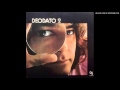
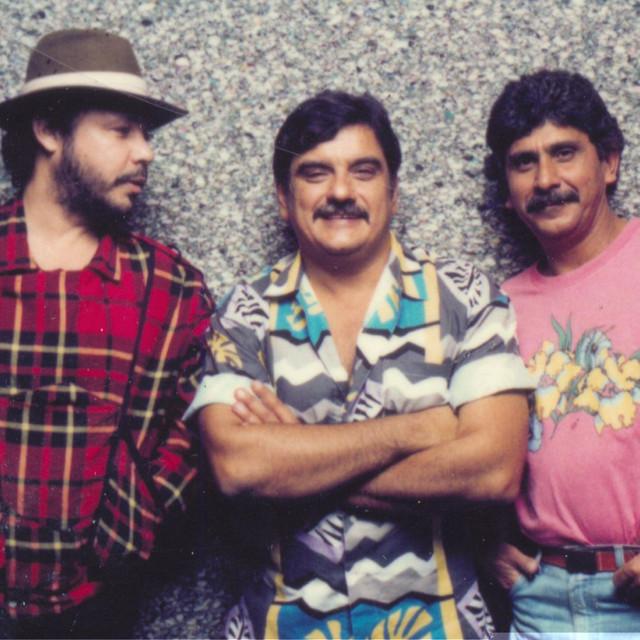
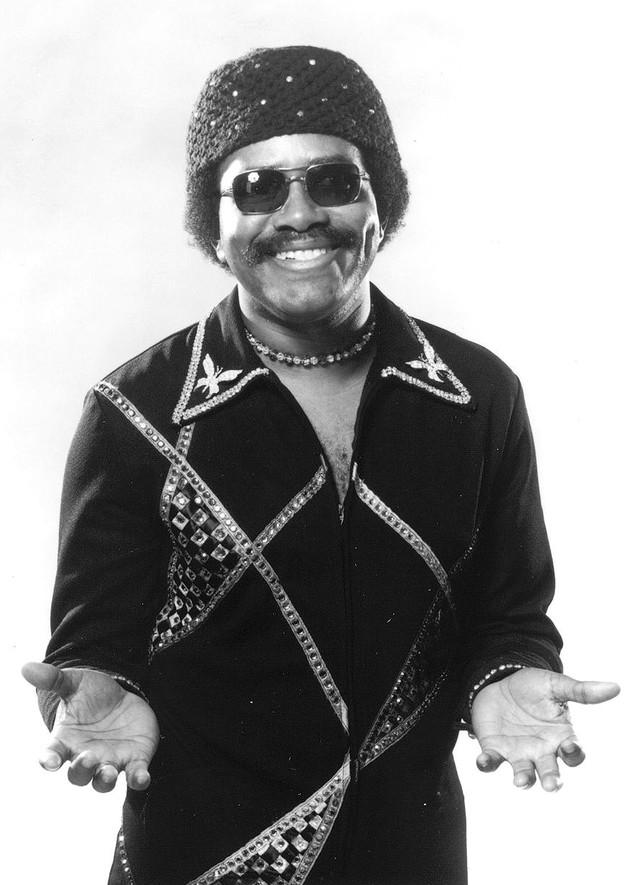
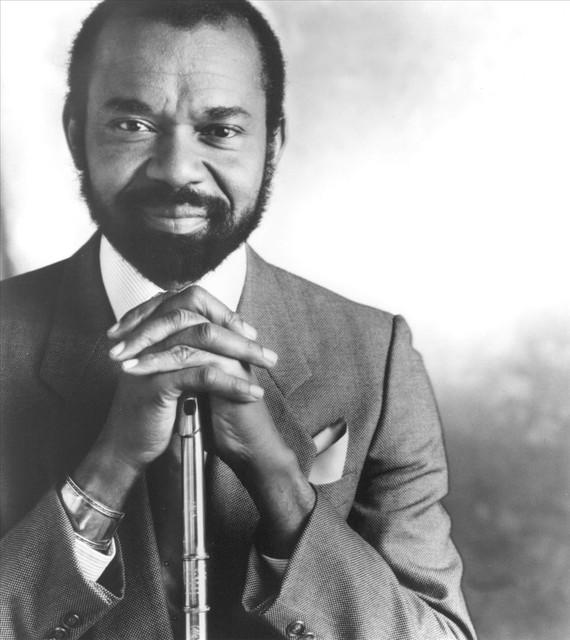
Deodato’s Spotify BioEumir Deodato, born on June 22, 1942, in Rio de Janeiro, Brazil, is a legendary composer, arranger, producer, and keyboardist known for his eclectic fusion of jazz, funk, and orchestral music. With a career spanning over five decades, Deodato's innovative arrangements and distinctive sound have made him a prominent figure in music.
Deodato began his musical journey in Brazil, inspired by bossa nova and samba. Moving to the United States in the late 1960s, he became a sought-after arranger and producer, working with iconic artists like Frank Sinatra, Aretha Franklin, and Kool & the Gang.
His 1973 album "Prelude" is a landmark in jazz fusion, featuring the Grammy-winning hit "Also Sprach Zarathustra (2001)." This rendition of Richard Strauss's piece showcased Deodato's blend of classical, jazz, and funk, earning him international acclaim.
Throughout his career, Deodato has released numerous solo albums and collaborated with a diverse range of musicians. His work is characterized by lush… orchestration, intricate arrangements, and a seamless blend of genres.
Deodato's influence extends beyond his recordings; his arrangements and productions have shaped popular music across multiple genres. His innovative approach and contributions to music have solidified his legacy as a pioneering artist who bridges classical, jazz, and contemporary styles.
Discover Eumir Deodato on Spotify and experience the genius of one of the most versatile and influential musicians of our time.
Viberate is a music analytics platform built for A&Rs, artist managers, labels, booking agents, marketers, and artists.
It helps music professionals track artist growth, analyze audience data, monitor playlist activity, compare artists, follow song performance, and identify opportunities across the music market.
Public artist pages provide a free preview of selected artist data. Paid plans provide access to deeper analytics, historical data, charts, comparisons, playlist tools, exports, alerts, reports, and additional professional features.
Yes. Public Viberate artist pages provide selected artist analytics and music data for free.
Viberate also offers a 7-day free trial of the full platform. A credit card is required to start the trial. The trial includes access to the complete product so users can test deeper artist analytics, historical views, playlist insights, comparisons, charts, exports, alerts, and reporting features before choosing a paid plan.
Viberate provides artist analytics across streaming, playlists, social media, video, radio airplay, songs, and audience markets.
Users can analyze Spotify performance, Spotify and Apple Music playlists, YouTube activity, TikTok and Instagram growth, radio spins, song performance, audience locations, demographics, rankings, and overall artist momentum.
Artist profiles also connect to music charts, similar artists, and comparison tools, helping users benchmark performance and evaluate artists in context.
Viberate updates key artist and track data daily.
For followed artists and tracks, selected data is refreshed multiple times per day. This helps teams monitor playlist changes, streaming movement, audience growth, releases, and campaign performance with more current data.
Update frequency can vary depending on the metric and data source.
Yes. Viberate lets users compare up to five artists side by side across streaming, social media, audience, and engagement metrics.
Users can compare fanbase growth, audience demographics, locations, Spotify performance, social metrics, and other artist data over selected time periods.
Artist comparison can be used for A&R scouting, benchmarking, booking decisions, campaign planning, and evaluating artists with similar audiences or market positions.