Tall Ships

Rock
Indie Rock
Math Rock
 Viberate Rank: 211001
 Viberate Rank: 211001
 Monthly ListenersFollowers
 Subscribers
 Followers
 Followers
 FansTop Spotify Songs
| Track | 7-Day Streams | |
|---|---|---|
1 | 2.67K | |
2 | 1.13K | |
3 | 441 | |
4 | 412 | |
5 | 393 |
Top YouTube VideosMonthly ListenersFeatured in Playlists| Playlist | Followers | |
|---|---|---|
1 | While You Work (@whileyouwork) Eli Feghali | 81.75K |
2 |  [redacted] 🧡kaela🧡 | 8.65K |
3 | Snowboarding Eric Mittelstaedt | 5.47K |
4 |  Made in Chelsea: Series 4 E4 | 4.52K |
5 | Post rock - Instrumental - Ambient - Coding Wouter Flikweert | 4.21K |
Audience| City | Monthly Listeners | |
|---|---|---|
1 | | 447 |
2 | | 159 |
3 |  | 159 |
4 |  | 135 |
5 |  | 128 |
See full performance history, audience data, playlist activity, rankings, comparisons, and more in Viberate music analytics. Start with a free trial, then continue with a paid plan.
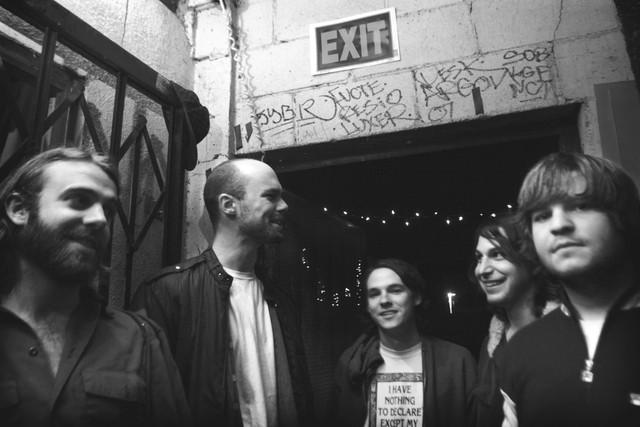
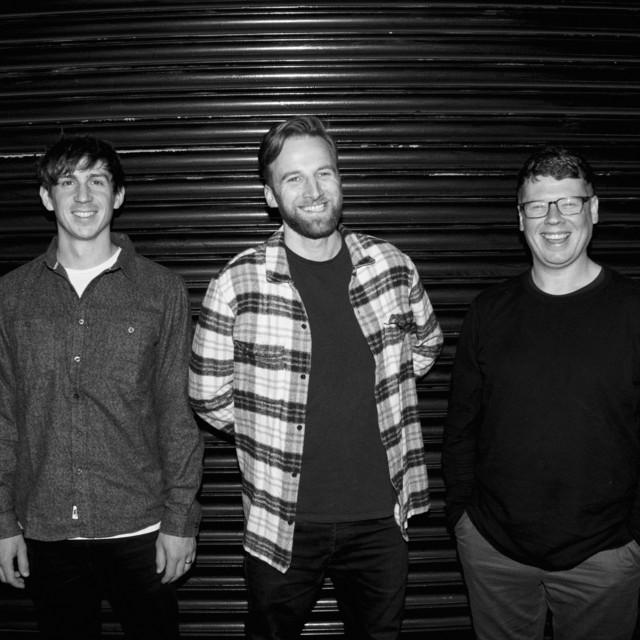
Tall Ships’ Spotify BioOriginally hailing from the town of Falmouth on the Cornish coast of England, three-piece Tall Ships went through a number of changes during their fledgling years as a band. Largely influenced by Battles and Sigur Rós, school friends Ric Phethean (guitar, vocals, synths), Matt Parker (bass, sampler), and Jamie Bush (drums, bass) first got together to play at a friend’s house party before releasing their self-titled EP in March 2010 to a flurry of press attention. The EP was quickly followed by the There Is Nothing But Chemistry Here EP, which was promoted via shows in New York, support slots with the likes of Los Campesinos!, and an appearance at the Reading and Leeds festivals. The band, however, felt unsure about the math rock sound of their EPs as it contradicted their live shows, which relied more on heavy guitars and soaring chorus lines than tight, angular precision and synths. Having previously lived and recorded in Falmouth, the band decided to up stakes and relocate to… Brighton to begin work on their debut full-length Everything Touching. Released through Big Scary Monsters in October 2012, the record introduced itself with the decidedly crunching riffs of "T=0," while "Best Ever" brought the high-five ethics of Fang Island to the Tall Ships arsenal. Along with the uplifting rework of "Books," the album was evidence that Tall Ships had found their less math rock, more heavy, anthemic formula. Despite critical acclaim for their debut, and a solid following, the band suddenly found themselves without a label or management. Determined to push on, they spent the next four years slowly recovering, ultimately self-funding (with a little help from Fatcat Records) their sophomore album, 2017's Impressions. ~ Daniel Clancy, Rovi
Viberate is a music analytics platform built for A&Rs, artist managers, labels, booking agents, marketers, and artists.
It helps music professionals track artist growth, analyze audience data, monitor playlist activity, compare artists, follow song performance, and identify opportunities across the music market.
Public artist pages provide a free preview of selected artist data. Paid plans provide access to deeper analytics, historical data, charts, comparisons, playlist tools, exports, alerts, reports, and additional professional features.
Yes. Public Viberate artist pages provide selected artist analytics and music data for free.
Viberate also offers a 7-day free trial of the full platform. A credit card is required to start the trial. The trial includes access to the complete product so users can test deeper artist analytics, historical views, playlist insights, comparisons, charts, exports, alerts, and reporting features before choosing a paid plan.
Viberate provides artist analytics across streaming, playlists, social media, video, radio airplay, songs, and audience markets.
Users can analyze Spotify performance, Spotify and Apple Music playlists, YouTube activity, TikTok and Instagram growth, radio spins, song performance, audience locations, demographics, rankings, and overall artist momentum.
Artist profiles also connect to music charts, similar artists, and comparison tools, helping users benchmark performance and evaluate artists in context.
Viberate updates key artist and track data daily.
For followed artists and tracks, selected data is refreshed multiple times per day. This helps teams monitor playlist changes, streaming movement, audience growth, releases, and campaign performance with more current data.
Update frequency can vary depending on the metric and data source.
Yes. Viberate lets users compare up to five artists side by side across streaming, social media, audience, and engagement metrics.
Users can compare fanbase growth, audience demographics, locations, Spotify performance, social metrics, and other artist data over selected time periods.
Artist comparison can be used for A&R scouting, benchmarking, booking decisions, campaign planning, and evaluating artists with similar audiences or market positions.