Colour Revolt

Rock
Indie Rock
Indie Pop
 Viberate Rank: 160916
 Viberate Rank: 160916
 Monthly ListenersFollowers
 Subscribers
 Followers
 Followers
 FansTop Spotify Songs
| Track | 7-Day Streams | |
|---|---|---|
1 | 2.07K | |
2 | 1.92K | |
3 | 1.07K | |
4 | 793 | |
5 | 521 |
Top YouTube VideosMonthly ListenersFeatured in Playlists| Playlist | Followers | |
|---|---|---|
1 |  Daily Favs - Fynn Kliemanns wichtigste Musik Fynn Kliemann | 96.13K |
2 | super fire but super random charlotteslawrence1 | 4.67K |
3 |  Forward Observations Group Gordon | 3.81K |
4 |  Operator Chill Brothers in Arms | 3.23K |
5 |  Southern Gothic/ Dark Americana starlightcrow | 3.09K |
Audience| City | Monthly Listeners | |
|---|---|---|
1 | | 242 |
2 | | 218 |
3 | | 153 |
4 | | 149 |
5 | | 141 |
See full performance history, audience data, playlist activity, rankings, comparisons, and more in Viberate music analytics. Start with a free trial, then continue with a paid plan.
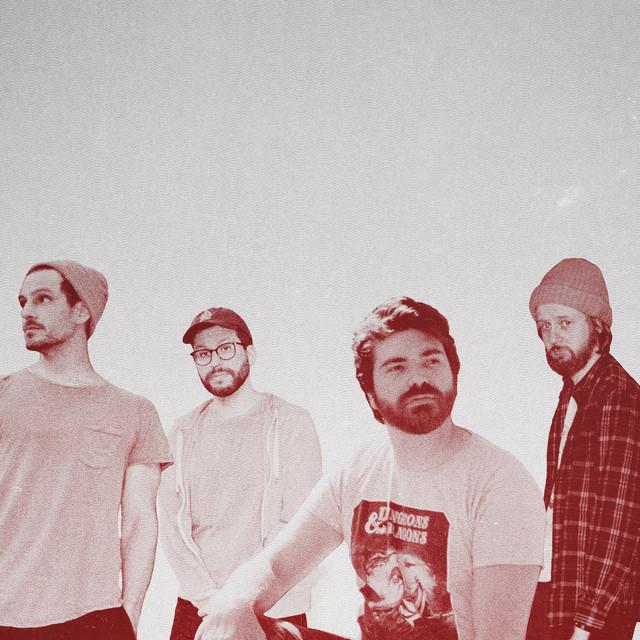
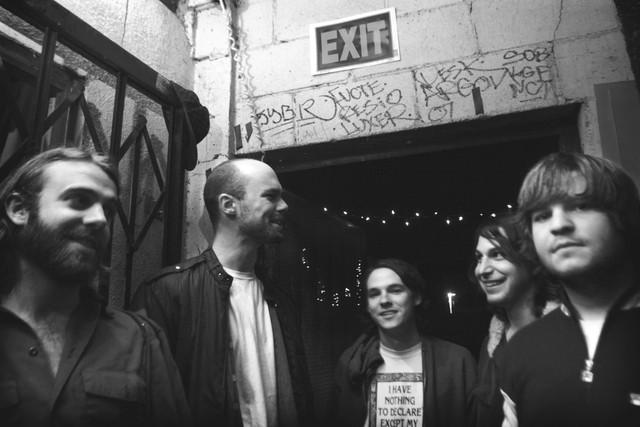
Colour Revolt’s Spotify BioThe indie rock band Colour Revolt was formed by five college students from Jackson and Oxford, MS: lead singer, guitarist, and keyboard player Jesse Coppenbarger; guitarist Jimmy Cajoleas; guitarist, keyboard player, and singer Sean Kirkpatrick; drummer and singer Len Clark; and bassist Drew Mellon. Formerly known as Fletcher, the band took its current name from Edwin Abbott's 19th century social commentary Flatland. Plans to record a debut EP in a friend's basement in Jackson were disrupted in August 2005 by Hurricane Katrina, which filled the space with evacuees; instead, the bandmates worked in the living room of the owner of the local Esperanza Plantation label, which eventually issued their self-titled disc on a small-scale basis in December 2005. Colour Revolt undertook a five-week national tour opening for Brand New in the summer of 2006. Tiny Evil, an imprint of Interscope Records, picked up the EP and gave it a national release on October 31, 2006. After moving to Fat Possum… in 2007 (and after Patrick Addison replaced Drew Mellon on bass), the band released its first full-length album, Plunder, Beg and Curse, in April of 2008. Colour Revolt's sophomore effort, The Cradle, followed in 2010. ~ William Ruhlmann, Rovi
Viberate is a music analytics platform built for A&Rs, artist managers, labels, booking agents, marketers, and artists.
It helps music professionals track artist growth, analyze audience data, monitor playlist activity, compare artists, follow song performance, and identify opportunities across the music market.
Public artist pages provide a free preview of selected artist data. Paid plans provide access to deeper analytics, historical data, charts, comparisons, playlist tools, exports, alerts, reports, and additional professional features.
Yes. Public Viberate artist pages provide selected artist analytics and music data for free.
Viberate also offers a 7-day free trial of the full platform. A credit card is required to start the trial. The trial includes access to the complete product so users can test deeper artist analytics, historical views, playlist insights, comparisons, charts, exports, alerts, and reporting features before choosing a paid plan.
Viberate provides artist analytics across streaming, playlists, social media, video, radio airplay, songs, and audience markets.
Users can analyze Spotify performance, Spotify and Apple Music playlists, YouTube activity, TikTok and Instagram growth, radio spins, song performance, audience locations, demographics, rankings, and overall artist momentum.
Artist profiles also connect to music charts, similar artists, and comparison tools, helping users benchmark performance and evaluate artists in context.
Viberate updates key artist and track data daily.
For followed artists and tracks, selected data is refreshed multiple times per day. This helps teams monitor playlist changes, streaming movement, audience growth, releases, and campaign performance with more current data.
Update frequency can vary depending on the metric and data source.
Yes. Viberate lets users compare up to five artists side by side across streaming, social media, audience, and engagement metrics.
Users can compare fanbase growth, audience demographics, locations, Spotify performance, social metrics, and other artist data over selected time periods.
Artist comparison can be used for A&R scouting, benchmarking, booking decisions, campaign planning, and evaluating artists with similar audiences or market positions.