Taj Mahal

Blues
Classic Blues
Contemporary Blues
 Viberate Rank: 24690
 Viberate Rank: 24690
 Monthly ListenersFollowers
 Subscribers
 Followers
 Followers
 FansTop Spotify Songs
| Track | 7-Day Streams | |
|---|---|---|
1 | 50.25K | |
2 | 28.69K | |
3 | 24.48K | |
4 | 21.14K | |
5 | 19.39K |
Top YouTube VideosMonthly ListenersFeatured in Playlists| Playlist | Followers | |
|---|---|---|
1 |  Blues Classics Spotify | 2.33M |
2 |  Blues Roots Spotify | 1.07M |
3 |  Morning Commute Spotify | 931.98K |
4 |  Acoustic Blues Spotify | 873.79K |
5 |  In the Name of the Blues: Tedeschi Trucks Band Takeover Spotify | 484.71K |
Audience| City | Monthly Listeners | |
|---|---|---|
1 |  | 7.97K |
2 | | 7.15K |
3 |  | 6.92K |
4 | | 6.83K |
5 | | 6.81K |
See full performance history, audience data, playlist activity, rankings, comparisons, and more in Viberate music analytics. Start with a free trial, then continue with a paid plan.
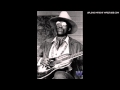
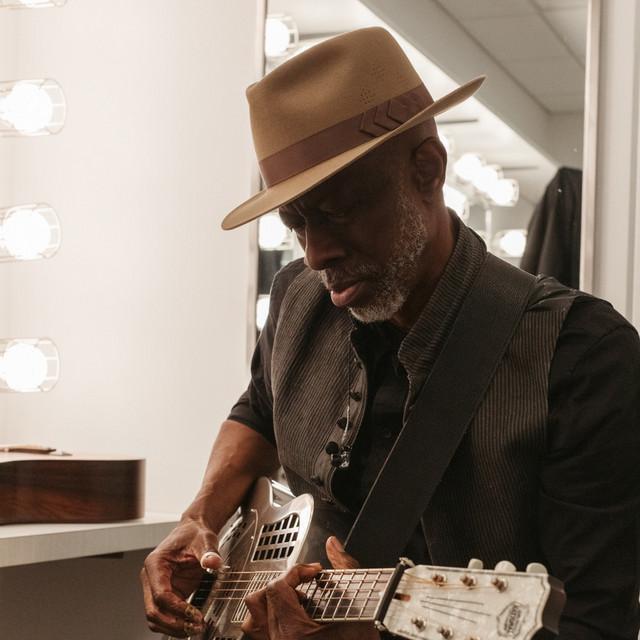
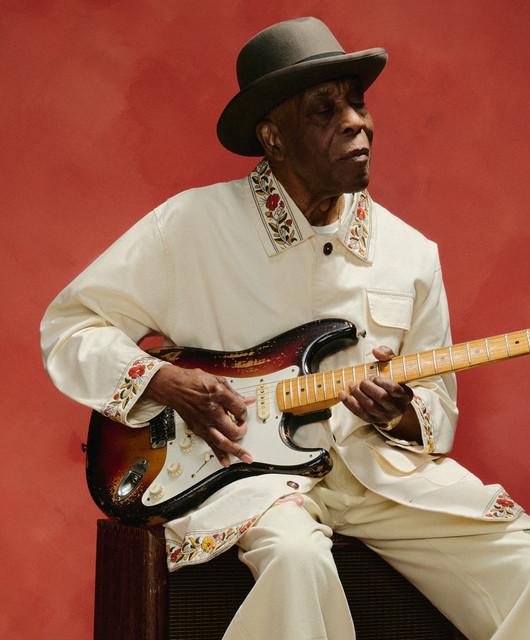
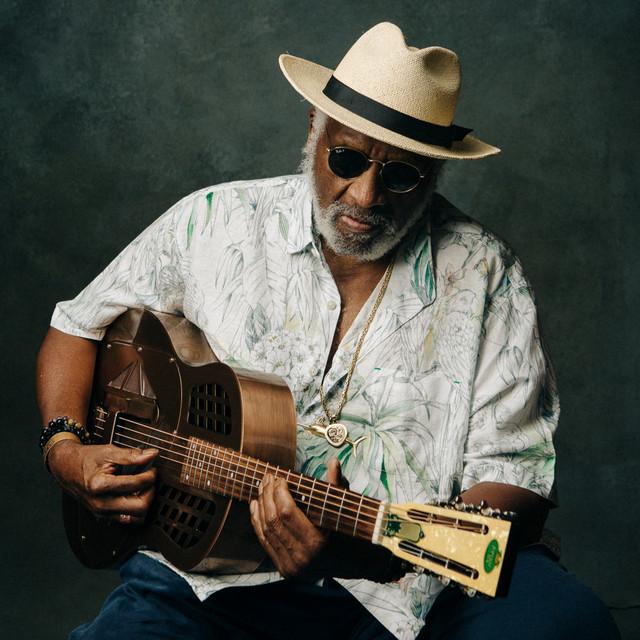
Taj Mahal’s Spotify BioSince he first began making records, like 1969's Giant Step/De Ole Folks at Home, Taj Mahal has been one the world's most prominent blues stylists and storytellers. Since those early days, he's expanded his sound to include everything from calypso and reggae, trad jazz, gospel, R&B, and zydeco to various Pacific Islander and West African cultures. While albums such as 1971's The Real Thing, 1974's Mo' Roots, and 1976's Music Fuh Ya' (Musica Para Tu) have shown off his range, Mahal never strayed far from country-blues as on 1996's Phantom Blues and 1997's Senor Blues. He's also proven to be a ready collaborator; 2017's TajMo' was cut with Keb' Mo' and he teamed with Ry Cooder for the Grammy-winning tribute, Get On Board: The Songs of Sonny Terry and Brownie McGhee. On 2023's globally acclaimed Savoy, he offered tunes informed by jazz's swing era, and followed in 2024 with Swingin’ Live at the Church in Tulsa with a sextet. In 2025, he and Keb' Mo' returned as TajMo to issue Room on the… Porch.
Mahal was born Henry St. Claire Fredericks in New York on May 17, 1942. His parents -- his father a jazz pianist/composer/arranger of Jamaican descent; his mother a schoolteacher from South Carolina who sang gospel -- moved to Springfield, Massachusetts when he was quite young, and while growing up he often listened to music from around the world on his father's short-wave radio. He particularly loved the blues -- both acoustic and electric -- and early rock & rollers like Chuck Berry and Bo Diddley. While studying agriculture and animal husbandry at the University of Massachusetts, he adopted the musical alias Taj Mahal (an idea that came to him in a dream) and formed Taj Mahal & the Elektras, who played around the area during the early '60s. After graduating, Mahal moved to Los Angeles in 1964 and, after making his name on the local folk-blues scene, formed the Rising Sons with guitarist Ry Cooder. The group signed to Columbia and released one single, but the label didn't quite know what to make of their forward-looking blend of Americana, which anticipated a number of roots rock fusions that would take shape in the next few years; as such, the album they recorded sat on the shelves unreleased until 1992.
Frustrated, Mahal left the group and wound up staying with Columbia as a solo artist. His self-titled debut was released in early 1968 and its stripped-down approach to vintage blues sounds made it unlike virtually anything else on the blues scene at the time. It came to be regarded as a classic of the '60s blues revival, as did its follow-up, Natch'l Blues. The half-electric, half-acoustic double-LP set Giant Step followed in 1969, and taken together, those three records built Mahal's reputation as an authentic yet unique modern-day bluesman, gaining wide exposure and leading to collaborations or tours with a wide variety of prominent rockers and bluesmen. During the early '70s, Mahal's musical adventurousness began to take hold; 1971's Happy Just to Be Like I Am heralded his fascination with Caribbean rhythms, and the following year's double-live set The Real Thing added a New Orleans-flavored tuba section to several tunes. In 1973, Mahal branched out into movie soundtrack work with his compositions for Sounder, and the following year he recorded his most reggae-heavy outing, Mo' Roots.
Mahal continued to record for Columbia through 1976, when he switched to Warner Bros.; he recorded three albums for that label, all in 1977 (including a soundtrack for the film Brothers). Changing musical climates, however, were decreasing interest in Mahal's work and he spent much of the '80s off record, eventually moving to Hawaii to immerse himself in another musical tradition. Mahal returned in 1987 with Taj, an album issued by Gramavision that explored this new interest; the following year, he inaugurated a string of successful, well-received children's albums with Shake Sugaree. The next few years brought a variety of side projects, including a musical score for the lost Langston Hughes/Zora Neale Hurston play Mule Bone that earned Mahal a Grammy nomination in 1991.
The same year marked Mahal's full-fledged return to regular recording and touring, kicked off with the first of a series of well-received albums on the Private Music label, Like Never Before. Follow-ups, such as Dancing the Blues (1993) and Phantom Blues (1996), drifted into more rock-, pop-, and R&B-flavored territory; in 1997, Mahal won a Grammy for Señor Blues. Meanwhile, he undertook a number of small-label side projects that constituted some of his most ambitious forays into world music. Released in 1995, Mumtaz Mahal teamed him with classical Indian musicians; 1998's Sacred Island was recorded with his new Hula Blues Band as he explored Hawaiian music in greater depth, and 1999's Kulanjan was a duo performance with Malian kora player Toumani Diabaté. Maestro appeared in 2008, boasting an array of all-star guests: Diabaté, Angélique Kidjo, Ziggy Marley, Los Lobos, Jack Johnson, and Ben Harper. A holiday album with the Blind Boys of Alabama, Talkin' Christmas, appeared in time for the season in 2014. In 2017, Mahal teamed with Keb' Mo' to spotlight the good-time side of the blues on TajMo. The pair toured the world and took home the Grammy Award for Best Contemporary Blues Album.
In 2022, Mahal re-teamed with teenage friend Ry Cooder. The pair had played in the blues-rock band Rising Sons in the mid-'60s. Further, Cooder played rhythm guitar (next to Jesse Ed Davis' lead) on Mahal's self-titled 1968 debut album. The pair -- with Cooder's son Joachim on bass and percussion -- recorded Get on Board: The Songs of Sonny Terry and Brownie McGhee in tribute to the wandering Piedmont blues masters. A critical success, it earned the duo a Grammy Award for Best Traditional Blues Album.
Mahal released Savoy on Stony Plain in April 2023. A long discussed collaboration with producer John Simon, the set offered blues-oriented classic material and standards, as a loving -- if irreverent -- homage to jazz's swing and big-band era. Among his guests on the collection were vocalist Maria Muldaur and violinist Evan Price. The album included 14 standards composed by Duke Ellington, Louis Armstrong, Louis Jordan, and George Gershwin, among others. In March 2024 he issued Swingin' Live at the Church in Tulsa, recorded with a sextet that included dobro master Rob Ickes and guitarist and vocalist Trey Hensley in front of an invited audience at Leon Russell's storied Oklahoma studio. In February of 2025, TajMo issued the digital EP Room on the Porch For Everyone; it included three originals, an acoustic cover of Sleepy John Estes' "Divin' Duck Blues," and a full-fledged R&B read of John Mayer's "Waitin' On the World to Change." The EP was a teaser for the full-length album Room on the Porch, which appeared in May. ~ Steve Huey & Thom Jurek, Rovi
Viberate is a music analytics platform built for A&Rs, artist managers, labels, booking agents, marketers, and artists.
It helps music professionals track artist growth, analyze audience data, monitor playlist activity, compare artists, follow song performance, and identify opportunities across the music market.
Public artist pages provide a free preview of selected artist data. Paid plans provide access to deeper analytics, historical data, charts, comparisons, playlist tools, exports, alerts, reports, and additional professional features.
Yes. Public Viberate artist pages provide selected artist analytics and music data for free.
Viberate also offers a 7-day free trial of the full platform. A credit card is required to start the trial. The trial includes access to the complete product so users can test deeper artist analytics, historical views, playlist insights, comparisons, charts, exports, alerts, and reporting features before choosing a paid plan.
Viberate provides artist analytics across streaming, playlists, social media, video, radio airplay, songs, and audience markets.
Users can analyze Spotify performance, Spotify and Apple Music playlists, YouTube activity, TikTok and Instagram growth, radio spins, song performance, audience locations, demographics, rankings, and overall artist momentum.
Artist profiles also connect to music charts, similar artists, and comparison tools, helping users benchmark performance and evaluate artists in context.
Viberate updates key artist and track data daily.
For followed artists and tracks, selected data is refreshed multiple times per day. This helps teams monitor playlist changes, streaming movement, audience growth, releases, and campaign performance with more current data.
Update frequency can vary depending on the metric and data source.
Yes. Viberate lets users compare up to five artists side by side across streaming, social media, audience, and engagement metrics.
Users can compare fanbase growth, audience demographics, locations, Spotify performance, social metrics, and other artist data over selected time periods.
Artist comparison can be used for A&R scouting, benchmarking, booking decisions, campaign planning, and evaluating artists with similar audiences or market positions.