Systematic

Rock
Hard Rock
Nu Metal
 Viberate Rank: 354525
 Viberate Rank: 354525
 Monthly ListenersFollowers
 Subscribers
 Followers
 Followers
 FansTop Spotify Songs
| Track | 7-Day Streams | |
|---|---|---|
1 | 2.13K | |
2 | 2.09K | |
3 | 1.09K | |
4 | 1.09K | |
5 | 505 |
Top YouTube VideosMonthly ListenersFeatured in Playlists| Playlist | Followers | |
|---|---|---|
1 | DISCO DANCE ANNI 2000 Danilo Gobbi | 15.06K |
2 |  LA STORIA DELLA DANCE (90/2000) dinobrownok | 13.96K |
3 |  ATV Offroad Fury 2 Soundtrack c_hudd | 10.82K |
4 |  Dance Anni 90 / 2000 | DJ Trevo DJ Trevo | 8.74K |
5 | 90s and 2000s hard rock Just_Cole | 7.55K |
Audience| City | Monthly Listeners | |
|---|---|---|
1 | | 228 |
2 | | 156 |
3 | | 155 |
4 | | 135 |
5 | | 120 |
See full performance history, audience data, playlist activity, rankings, comparisons, and more in Viberate music analytics. Start with a free trial, then continue with a paid plan.
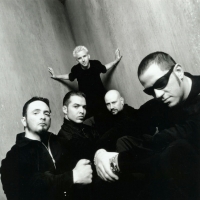
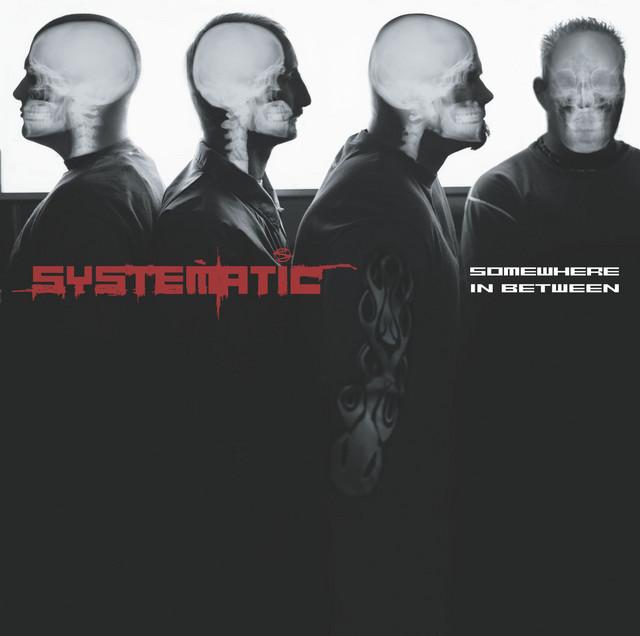
Systematic’s Spotify BioOne of the first signings to Metallica drummer Lars Ulrich's Music Company label, California's Systematic appeared with a high-profile stamp of approval. The melodic metal quartet began with singer/guitarist Tim Narducci and guitarist Adam Ruppel in 1996, when the pair began writing together and cobbling together their initial demo. Adding former Pro-Pain guitarist Nick St. Denis on bass and drummer Shaun Bannon the following year, a new demo caught the ear of Ulrich, who soon offered Systematic a record contract. Somewhere in Between was issued in 2001 and was followed by touring slots on the Ozzfest and Tattoo the Earth festival tours. The tolls of touring led the band to a new rhythm section with Johnny Bechtel on bass and former Slayer drummer Paul Bostaph on drums. The new lineup released an Internet-only version of Blue Öyster Cult's "Career of Evil" as a teaser for their next album, 2003's Pleasure to Burn. ~ Wade Kergan, Rovi
Viberate is a music analytics platform built for A&Rs, artist managers, labels, booking agents, marketers, and artists.
It helps music professionals track artist growth, analyze audience data, monitor playlist activity, compare artists, follow song performance, and identify opportunities across the music market.
Public artist pages provide a free preview of selected artist data. Paid plans provide access to deeper analytics, historical data, charts, comparisons, playlist tools, exports, alerts, reports, and additional professional features.
Yes. Public Viberate artist pages provide selected artist analytics and music data for free.
Viberate also offers a 7-day free trial of the full platform. A credit card is required to start the trial. The trial includes access to the complete product so users can test deeper artist analytics, historical views, playlist insights, comparisons, charts, exports, alerts, and reporting features before choosing a paid plan.
Viberate provides artist analytics across streaming, playlists, social media, video, radio airplay, songs, and audience markets.
Users can analyze Spotify performance, Spotify and Apple Music playlists, YouTube activity, TikTok and Instagram growth, radio spins, song performance, audience locations, demographics, rankings, and overall artist momentum.
Artist profiles also connect to music charts, similar artists, and comparison tools, helping users benchmark performance and evaluate artists in context.
Viberate updates key artist and track data daily.
For followed artists and tracks, selected data is refreshed multiple times per day. This helps teams monitor playlist changes, streaming movement, audience growth, releases, and campaign performance with more current data.
Update frequency can vary depending on the metric and data source.
Yes. Viberate lets users compare up to five artists side by side across streaming, social media, audience, and engagement metrics.
Users can compare fanbase growth, audience demographics, locations, Spotify performance, social metrics, and other artist data over selected time periods.
Artist comparison can be used for A&R scouting, benchmarking, booking decisions, campaign planning, and evaluating artists with similar audiences or market positions.