System 7

Electronic
Downtempo
Other Electronic Music
Tech House
 Viberate Rank: 150110
 Viberate Rank: 150110
 Monthly ListenersFollowers
 Subscribers
 Followers
 Followers
 FansTop Spotify Songs
| Track | 7-Day Streams | |
|---|---|---|
1 | 2.19K | |
2 | 1.26K | |
3 | 809 | |
4 | 683 | |
5 | 379 |
Top YouTube VideosMonthly ListenersFeatured in Playlists| Playlist | Followers | |
|---|---|---|
1 | amandaemcee | 69.74K |
2 |  INSTRUMENTAL MUSIC TO WORK TO: Chill, Ambient, Electronic Instrumental Mix Keats Handwriting | 51.84K |
3 | Gerson Berrio | 51.60K |
4 | 90s Dance Anthems Mark Jason | 47.94K |
5 | Detroit Techno Classics 12101647818 | 31.40K |
Audience| City | Monthly Listeners | |
|---|---|---|
1 | | 872 |
2 |  | 329 |
3 | | 310 |
4 | | 292 |
5 |  | 288 |
See full performance history, audience data, playlist activity, rankings, comparisons, and more in Viberate music analytics. Start with a free trial, then continue with a paid plan.
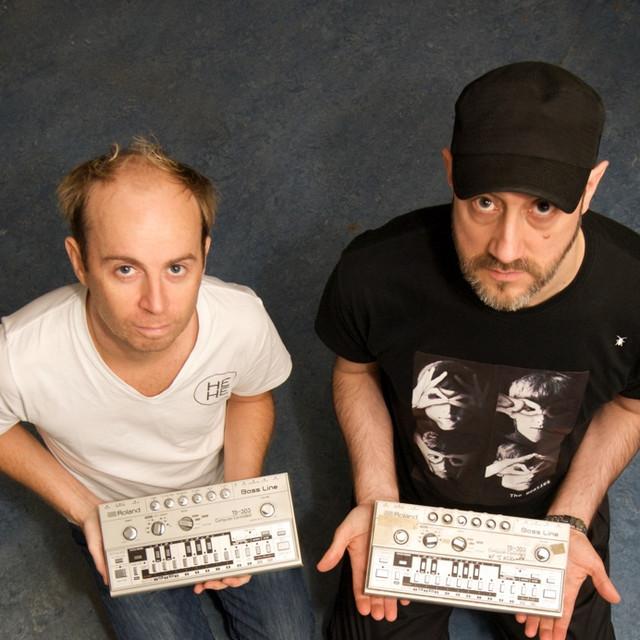
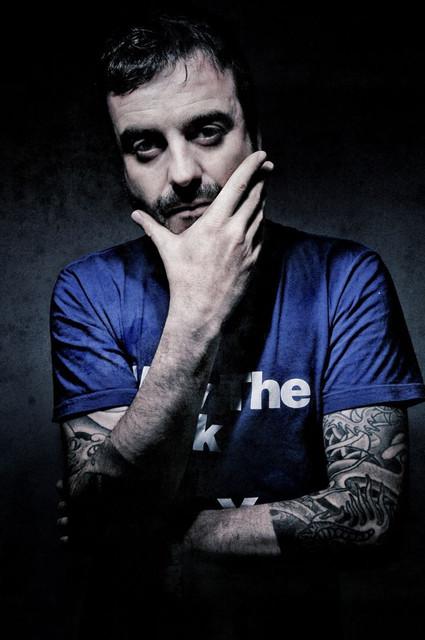
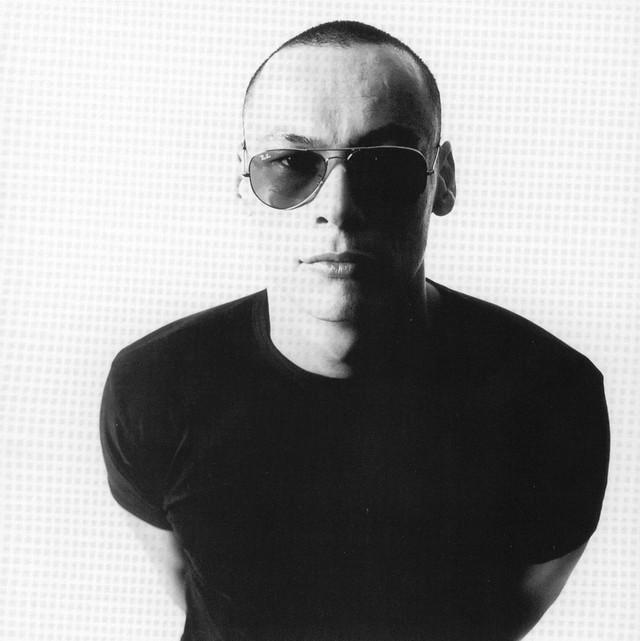
System 7’s Spotify BioThe only direct link from the '90s ambient house community to its space rocking forebear of the '70s, Steve Hillage played in the prog rock band Gong, released several solo albums during the late '70s and early '80s on Virgin, and later returned to music in the '90s to form System 7, more of a recording collective than an actual band. Hillage was recruited back to the music scene by Dr. Alex Paterson of the Orb, who spun Hillage's Rainbow Dome Musick at London's Heaven one night while Hillage was there himself. The two became friends, and Paterson encouraged him to begin recording ambient house -- with Hillage's guitar explorations just as prominent in the mix as on his solo work. With collaborator Miquette Giraudy (an old friend from his days in Gong), Hillage released the single "Sunburst" in late 1990, and followed with a self-titled album in September 1991, produced with the help of a varied cast of techno heavyweights (including Paterson and Derrick May). Soon after, System 7 was… signed to an American contract by Astralwerks, though the existence of a similarly named band caused Hillage to name his outfit 777. The System 7 album was finally given a U.S. release in 1992 as 777.
During 1992, Hillage and Giraudy released the British-only singles "Freedom Fighters" and "Altitude" -- as System 7, since the restriction applied only in America -- and prepared their second album. Given the confusing title of 777, it was nonetheless a completely different work than the earlier LP, and featured additional production by Dr. Alex Paterson. Though it wasn't given an American release, System 7's next project, a techno album and an ambient one released on the same day in late 1994, was issued in America as a two-disc set (again as 777). Signed to Britain's Butterfly label by producer Youth (who had engineered several sessions), the group worked with Derrick May and Carl Craig plus Paterson to record 1996's Power of Seven. Though the album was not released in America, later that year the industrial label Cleopatra signed System 7 -- finally allowed to use their real name in the U.S. as well -- and released the remix LP System Express in early 1997. System 7 returned later in 1997 with Golden Section. 2002's Seventh Wave and Mysterious Traveller followed, as well as 2006's Encantado and Live Transmissions.
Released in January of 2008, the conceptual album Phoenix was based on the manga graphic novels series of the same name by Osamu Tezuka, one the founders of Japanese manga culture. Each track corresponded to a character or image in the book series and featured an array of collaborators including Mito, bassist from Art rock cum J-Pop band Clammbon, Son Kite, Jam El Mar, Eat Static, Slack Baba, and Daevid Allen. It was followed a year later by Live @ Shinjuku Face 11.4.2009. Hillage and Giraudy also took the opportunity to reunite with Allen and Gong for the album 2032 that year.
System 7's next studio offering was 2011's Up; it featured collaborations with A Guy Called Gerald, Josh Wink and Funky Gong Minoru (a.k.a. guitarist Minoru Tsunoda). The EPs Positive Noise and Passion followed.
2013 saw System 7 in a landmark collaboration with vanguard Japanese band Rovo for Phoenix Rising (as Rovo System 7) that also netted the Hinotori EP.
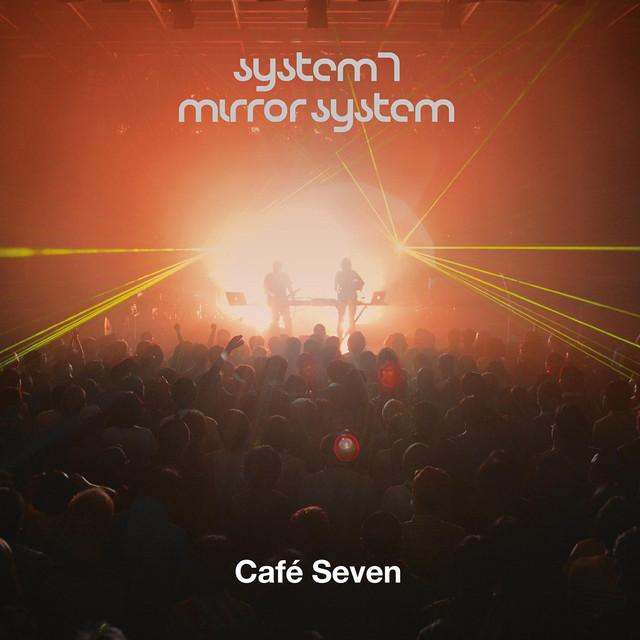
2015's X Port featured Rovo on the track "Love For The Phoenix. The album also included collaboratives with Paterson and James Munro. It was almost immediately followed by N Port from Mirror System (System 7's downtempo alterego) and the mini-album N + X System, jointly credited to System 7 and Mirror System. ~ John Bush, Rovi
Viberate is a music analytics platform built for A&Rs, artist managers, labels, booking agents, marketers, and artists.
It helps music professionals track artist growth, analyze audience data, monitor playlist activity, compare artists, follow song performance, and identify opportunities across the music market.
Public artist pages provide a free preview of selected artist data. Paid plans provide access to deeper analytics, historical data, charts, comparisons, playlist tools, exports, alerts, reports, and additional professional features.
Yes. Public Viberate artist pages provide selected artist analytics and music data for free.
Viberate also offers a 7-day free trial of the full platform. A credit card is required to start the trial. The trial includes access to the complete product so users can test deeper artist analytics, historical views, playlist insights, comparisons, charts, exports, alerts, and reporting features before choosing a paid plan.
Viberate provides artist analytics across streaming, playlists, social media, video, radio airplay, songs, and audience markets.
Users can analyze Spotify performance, Spotify and Apple Music playlists, YouTube activity, TikTok and Instagram growth, radio spins, song performance, audience locations, demographics, rankings, and overall artist momentum.
Artist profiles also connect to music charts, similar artists, and comparison tools, helping users benchmark performance and evaluate artists in context.
Viberate updates key artist and track data daily.
For followed artists and tracks, selected data is refreshed multiple times per day. This helps teams monitor playlist changes, streaming movement, audience growth, releases, and campaign performance with more current data.
Update frequency can vary depending on the metric and data source.
Yes. Viberate lets users compare up to five artists side by side across streaming, social media, audience, and engagement metrics.
Users can compare fanbase growth, audience demographics, locations, Spotify performance, social metrics, and other artist data over selected time periods.
Artist comparison can be used for A&R scouting, benchmarking, booking decisions, campaign planning, and evaluating artists with similar audiences or market positions.