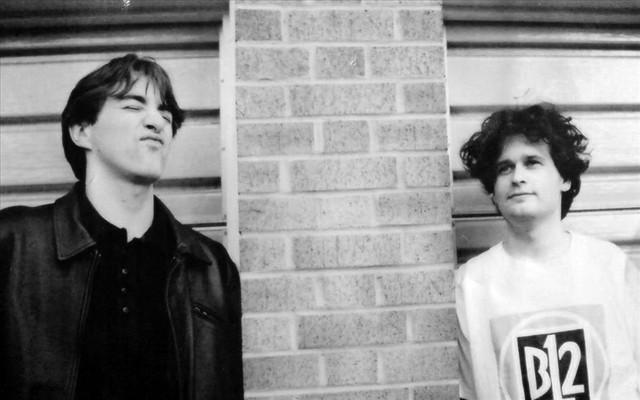
Robert Leiner

Electronic
Techno
Other Electronic Music
 Viberate Rank: 277489
 Viberate Rank: 277489
 Monthly ListenersFollowers
 Subscribers
 Followers
 Followers
 FansTop Spotify Songs
| Track | 7-Day Streams | |
|---|---|---|
1 | 3.60K | |
2 | 1.35K | |
3 | 1.23K | |
4 | 1.05K | |
5 | 518 |
Top YouTube Videos| Video | 7-Day Views | |
|---|---|---|
1 | 131 | |
2 | 18 | |
3 | 13 | |
4 | 9 | |
5 | 8 |
Monthly ListenersFeatured in Playlists| Playlist | Followers | |
|---|---|---|
1 | WAVR.AI | 18.83K |
2 |  P3 med Samir Yosufi P3 Sveriges Radio | 13.95K |
3 | space rock & psychedelia Edson Alejandro Adame | 8.05K |
4 |  Daniel Avery - Magic + Memory [a playlist] Daniel Avery | 7.63K |
5 |  Off Your Face anton newcombe | 5.86K |
Audience| City | Monthly Listeners | |
|---|---|---|
1 |  | 500 |
2 |  | 421 |
3 |  | 268 |
4 |  | 232 |
5 | | 178 |
See full performance history, audience data, playlist activity, rankings, comparisons, and more in Viberate music analytics. Start with a free trial, then continue with a paid plan.
Robert Leiner’s Spotify BioUnlike the majority of electronic artists, who can flip-flop between hardcore tracks and more downbeat material but rarely excel at both, Robert Leiner recorded excellent uptempo acid tracks as Source and (later) the Source Experience, meanwhile releasing under his own name one of the best ambient-techno albums of the '90s, Visions of the Past. Born in Sweden in 1966, Leiner began DJing at the tender age of 15 and set up his own studio just a few years later. After recording tracks for several different labels in his homeland, he moved to Ghent, Belgium, and began working for R&S Records as a technical consultant and sometime artist.
Leiner's first release on R&S, an ultra-rare twelve-inch recorded in 1992, was followed by his appearance on In Order to Dance, Vol. 4 as Neuromancer. The following year, he issued his debut LP as Source, Organized Noise. After releasing a masterpiece of pure acid techno in keeping with contemporary work by the Aphex Twin and others, Leiner threw a… curveball: Visions of the Past, released as himself. The LP alternated between passages of ambient warmth echoing the Orb with more disturbing elements which signalled a turn in the flavor of electronica. Other than a single for the album though, it was the last work Leiner released as himself. Instead he began recording as the Source Experience in 1994, issuing Different Journeys on R&S and undertaking a grand DJ tour of Europe during 1995. Two additional twelves appeared during the year ("Synaesthesia" and "Zyklus") but Leiner kept much closer to the underground than during his early career. [See Also: Source] ~ John Bush
Viberate is a music analytics platform built for A&Rs, artist managers, labels, booking agents, marketers, and artists.
It helps music professionals track artist growth, analyze audience data, monitor playlist activity, compare artists, follow song performance, and identify opportunities across the music market.
Public artist pages provide a free preview of selected artist data. Paid plans provide access to deeper analytics, historical data, charts, comparisons, playlist tools, exports, alerts, reports, and additional professional features.
Yes. Public Viberate artist pages provide selected artist analytics and music data for free.
Viberate also offers a 7-day free trial of the full platform. A credit card is required to start the trial. The trial includes access to the complete product so users can test deeper artist analytics, historical views, playlist insights, comparisons, charts, exports, alerts, and reporting features before choosing a paid plan.
Viberate provides artist analytics across streaming, playlists, social media, video, radio airplay, songs, and audience markets.
Users can analyze Spotify performance, Spotify and Apple Music playlists, YouTube activity, TikTok and Instagram growth, radio spins, song performance, audience locations, demographics, rankings, and overall artist momentum.
Artist profiles also connect to music charts, similar artists, and comparison tools, helping users benchmark performance and evaluate artists in context.
Viberate updates key artist and track data daily.
For followed artists and tracks, selected data is refreshed multiple times per day. This helps teams monitor playlist changes, streaming movement, audience growth, releases, and campaign performance with more current data.
Update frequency can vary depending on the metric and data source.
Yes. Viberate lets users compare up to five artists side by side across streaming, social media, audience, and engagement metrics.
Users can compare fanbase growth, audience demographics, locations, Spotify performance, social metrics, and other artist data over selected time periods.
Artist comparison can be used for A&R scouting, benchmarking, booking decisions, campaign planning, and evaluating artists with similar audiences or market positions.