Svartkonst

Metal
Black Metal
Death Metal
 Viberate Rank: 212662
 Viberate Rank: 212662
 Monthly ListenersFollowers
 Subscribers
 Followers
 Followers
 FansTop Spotify Songs
| Track | 7-Day Streams | |
|---|---|---|
1 | 3.30K | |
2 | 1.73K | |
3 | 1.69K | |
4 | 1.21K | |
5 | 838 |
Top YouTube VideosMonthly ListenersFeatured in Playlists| Playlist | Followers | |
|---|---|---|
1 | Black metal Stian Sætrum | 26.12K |
2 |  Melodic Black Metal Bartosz Bienias | 5.87K |
3 | Blackened Death Metal Christian Gramonte | 4.28K |
4 |  dvpamine v. | 3.95K |
5 |  BLACKMETAL DSBM badyushka🕷️🩸 | 3.61K |
Audience| City | Monthly Listeners | |
|---|---|---|
1 | | 368 |
2 |  | 260 |
3 | | 232 |
4 | | 227 |
5 |  | 202 |
See full performance history, audience data, playlist activity, rankings, comparisons, and more in Viberate music analytics. Start with a free trial, then continue with a paid plan.
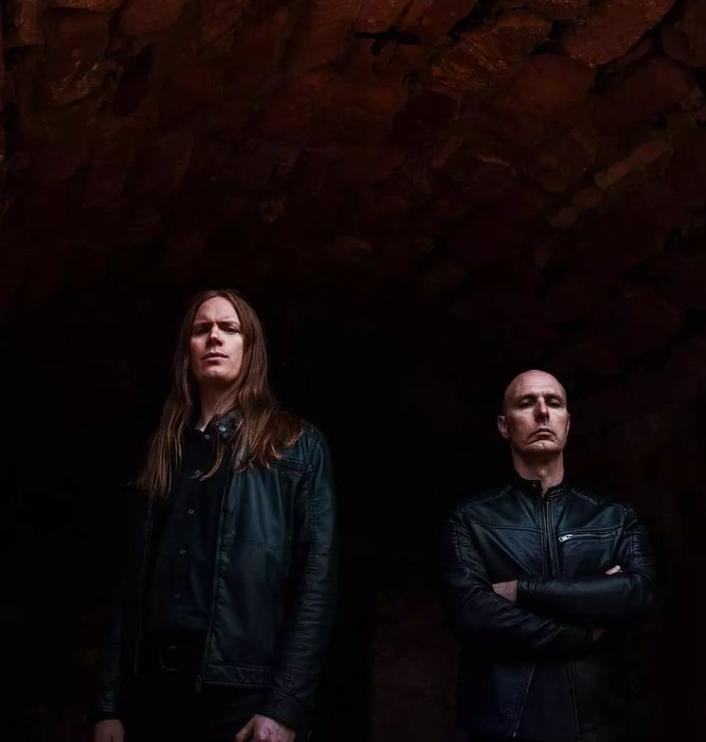
Svartkonst’s Spotify BioSVARTKONST is a blackened death metal band from Sweden, with heavy riffs, sharp melodies, brooding atmosphere and an intense aggression that has not left anyone untouched. The vision of SVARTKONST is to blend the heaviness and filth of Swedish Death Metal with the coldness and desperation of Black Metal.
In 2018 SVARTKONST unleashed its debut album "Devil's Blood" and it hit like a minor bomb in the extreme metal circles. The record was nominated by Aftonbladet's (Sweden's biggest newspaper) Sofia Bergström to be the year's second best album and the hype about the one-man band was on the rise.
In 2020 SVARTKONST released its sophomore album "Black Waves", with a further evolution of the sound. It got raving reviews and praise around the world and even got a nomination from Manifestgalan (Swedish indie-Grammys). At this time Svartkonst went from being a one-man effort to a full live line-up and finally made their live debut in 2021, and later went on a tour with the legendary cult band C…raft in 2022.
In 2023 SVARTKONST are finally about to launch the next intense chapter in the band’s history with their third full-length record “May the Night Fall”.
Viberate is a music analytics platform built for A&Rs, artist managers, labels, booking agents, marketers, and artists.
It helps music professionals track artist growth, analyze audience data, monitor playlist activity, compare artists, follow song performance, and identify opportunities across the music market.
Public artist pages provide a free preview of selected artist data. Paid plans provide access to deeper analytics, historical data, charts, comparisons, playlist tools, exports, alerts, reports, and additional professional features.
Yes. Public Viberate artist pages provide selected artist analytics and music data for free.
Viberate also offers a 7-day free trial of the full platform. A credit card is required to start the trial. The trial includes access to the complete product so users can test deeper artist analytics, historical views, playlist insights, comparisons, charts, exports, alerts, and reporting features before choosing a paid plan.
Viberate provides artist analytics across streaming, playlists, social media, video, radio airplay, songs, and audience markets.
Users can analyze Spotify performance, Spotify and Apple Music playlists, YouTube activity, TikTok and Instagram growth, radio spins, song performance, audience locations, demographics, rankings, and overall artist momentum.
Artist profiles also connect to music charts, similar artists, and comparison tools, helping users benchmark performance and evaluate artists in context.
Viberate updates key artist and track data daily.
For followed artists and tracks, selected data is refreshed multiple times per day. This helps teams monitor playlist changes, streaming movement, audience growth, releases, and campaign performance with more current data.
Update frequency can vary depending on the metric and data source.
Yes. Viberate lets users compare up to five artists side by side across streaming, social media, audience, and engagement metrics.
Users can compare fanbase growth, audience demographics, locations, Spotify performance, social metrics, and other artist data over selected time periods.
Artist comparison can be used for A&R scouting, benchmarking, booking decisions, campaign planning, and evaluating artists with similar audiences or market positions.