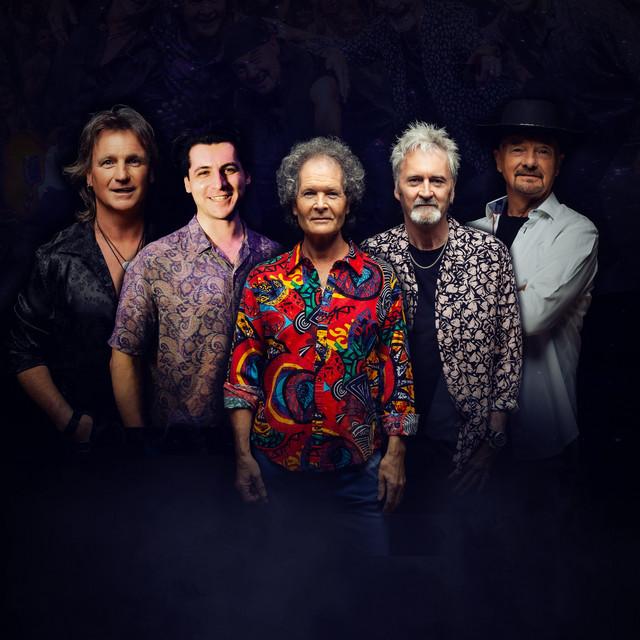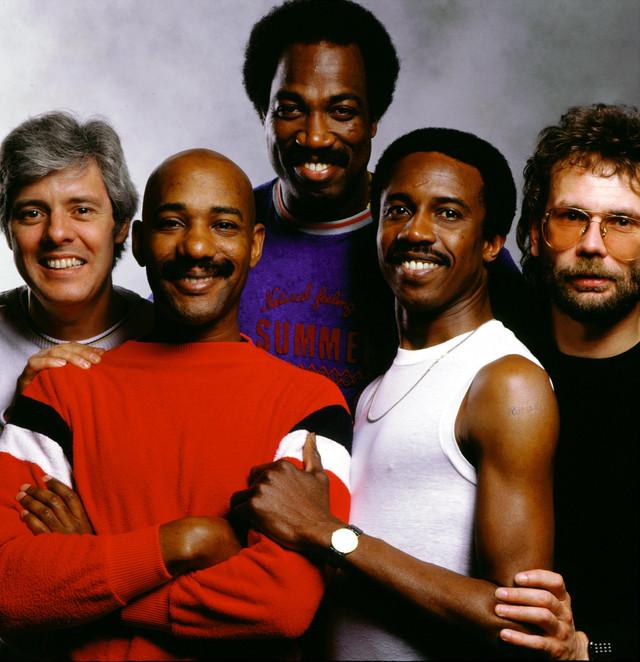
Suzi Quatro

Rock
Pop Rock
Hard Rock
 Viberate Rank: 10100
 Viberate Rank: 10100
 Monthly ListenersFollowers
 Subscribers
 Followers
 Followers
 FansTop Spotify Songs
| Track | 7-Day Streams | |
|---|---|---|
1 | 1.20M | |
2 | 280.49K | |
3 | 143.65K | |
4 | 67.20K | |
5 | 49.38K |
Top YouTube Videos| Video | 7-Day Views | |
|---|---|---|
1 | 168.00K | |
2 | 53.07K | |
3 | 47.81K | |
4 | 46.22K | |
5 | 26.72K |
Monthly ListenersFeatured in Playlists| Playlist | Followers | |
|---|---|---|
1 |  Yacht Rock Spotify | 1.85M |
2 |  Women of Rock Spotify | 813.62K |
3 |  Easy 70s Spotify | 518.83K |
4 |  Modern Blues Rock Spotify | 276.78K |
5 |  80er und 90er BEST OF Julian Zink | 229.33K |
Audience| City | Monthly Listeners | |
|---|---|---|
1 |  | 79.17K |
2 |  | 75.95K |
3 | | 74.26K |
4 | | 69.48K |
5 | | 42.19K |
See full performance history, audience data, playlist activity, rankings, comparisons, and more in Viberate music analytics. Start with a free trial, then continue with a paid plan.
Suzi Quatro’s Spotify BioSuzi Quatro, the fourth of five children, was born on June 3, 1950, in Detroit Michigan.
From an early age she studied classical piano and percussion, then aged 14, began an all girl band with elder sister Patti, called The Pleasure Seekers. Suzi was ‘told’ she would be playing bass guitar, which was as tall as her! She quickly became the lead singer and front person.
The band toured for 7 years, successfully, releasing a few singles along the way. Producer Mickie Most came to a concert, and offered Suzi a solo contract. She flew to England in 1971 to begin her journey to fame. Soon after Suzi began working with legendary songwriters Chinn and Chapman, which resulted in the huge hit, Can The Can, which went to number one in May 1973.
Between 1973 and 1980, Suzi Quatro featured in the British charts for no less than 101 weeks, and has sold over 55 million records to date. Her hits include, 48 Crash, Too Big, Devil Gate Drive, The Wild One, She’s In Love With You, If You Can’t Give Me Love,… and a million seller in the USA, Stumblin In, a duet with Chris Norman .
From 77-79 Suzi spread her wings and landed a part on the worldwide hit TV series Happy Days, playing Leather Tuscadero opposite Henry Winkler and Ron Howard.
Suzi is never idle, she must entertain, she must create, and she must communicate.. it is the air she breathes… a true artiste.
Her famous quote says it all: “I will retire when I go on stage, shake my ass, and there is silence.’
Viberate is a music analytics platform built for A&Rs, artist managers, labels, booking agents, marketers, and artists.
It helps music professionals track artist growth, analyze audience data, monitor playlist activity, compare artists, follow song performance, and identify opportunities across the music market.
Public artist pages provide a free preview of selected artist data. Paid plans provide access to deeper analytics, historical data, charts, comparisons, playlist tools, exports, alerts, reports, and additional professional features.
Yes. Public Viberate artist pages provide selected artist analytics and music data for free.
Viberate also offers a 7-day free trial of the full platform. A credit card is required to start the trial. The trial includes access to the complete product so users can test deeper artist analytics, historical views, playlist insights, comparisons, charts, exports, alerts, and reporting features before choosing a paid plan.
Viberate provides artist analytics across streaming, playlists, social media, video, radio airplay, songs, and audience markets.
Users can analyze Spotify performance, Spotify and Apple Music playlists, YouTube activity, TikTok and Instagram growth, radio spins, song performance, audience locations, demographics, rankings, and overall artist momentum.
Artist profiles also connect to music charts, similar artists, and comparison tools, helping users benchmark performance and evaluate artists in context.
Viberate updates key artist and track data daily.
For followed artists and tracks, selected data is refreshed multiple times per day. This helps teams monitor playlist changes, streaming movement, audience growth, releases, and campaign performance with more current data.
Update frequency can vary depending on the metric and data source.
Yes. Viberate lets users compare up to five artists side by side across streaming, social media, audience, and engagement metrics.
Users can compare fanbase growth, audience demographics, locations, Spotify performance, social metrics, and other artist data over selected time periods.
Artist comparison can be used for A&R scouting, benchmarking, booking decisions, campaign planning, and evaluating artists with similar audiences or market positions.