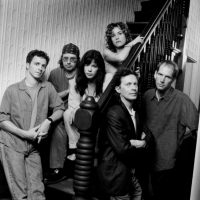
Continental Drifters

Rock
Pop Rock
Americana/Alt Country
 Viberate Rank: 423007
 Viberate Rank: 423007
 Monthly ListenersFollowers
 Subscribers
 Followers
 Followers
 FansTop Spotify Songs
| Track | 7-Day Streams | |
|---|---|---|
1 | 46 | |
2 | 45 | |
3 | 26 | |
4 | 21 | |
5 | 17 |
Top YouTube VideosMonthly ListenersFeatured in Playlists| Playlist | Followers | |
|---|---|---|
1 |  History of Power Pop Luthercal | 2.00K |
2 | In The Dark-Soundtrack from The CW Sam Morrison Band | 1.99K |
3 | A History of Rock Music in 500 songs Jocelyn Duchesne | 1.45K |
4 |  CBB-FM Vinod Shankar | 1.31K |
5 | New Orleans Jazz Fest 2023 Playlist alex.stroman | 1.11K |
Audience| City | Monthly Listeners | |
|---|---|---|
1 | | 15 |
2 | | 12 |
3 | | 10 |
4 | | 9 |
5 | | 9 |
See full performance history, audience data, playlist activity, rankings, comparisons, and more in Viberate music analytics. Start with a free trial, then continue with a paid plan.
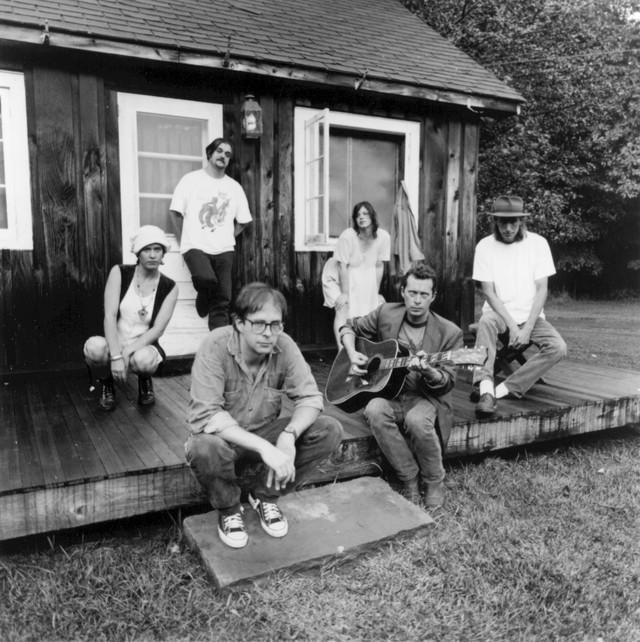
Continental Drifters’ Spotify BioAll-star roots pop outfit the Continental Drifters were formed in Los Angeles in late 1991 by ex-Dream Syndicate bassist Mark Walton and expatriate New Orleans musicians Carlo Nuccio (drums) and Ray Ganucheau (guitar); after enlisting guitarist Gary Eaton (who had previously worked with Giant Sand and Steve Wynn) and keyboardist Danny McGough (ex-Liquor Giants and 7 Deadly 5), the group played each Tuesday night at the Hollywood club Raji's and attracted a fervent local following. Over time, the Continental Drifters' roster swelled to include a number of auxiliary players including ex-dB Peter Holsapple, his wife Susan Cowsill and former Bangle Vicki Peterson; after McGough left the group, Holsapple assumed keyboard duties full-time. Their debut single, "The Mississippi," followed on Bob Mould's S.O.L. label in 1992. The single was meant to be a preview of an album that was nearly completed in 1993 but shelved by the band after several personnel changes made it unrepresentative of the… group. By the time the single was released, Cowsill and Peterson had joined on a permanent basis as well.
When Nuccio and Ganucheau decided to move back to New Orleans, it was decided that the Continental Drifters would continue on, with various members flying cross-country to attend gigs; when that proved costly and inconvenient, Walton, Holsapple, and Cowsill all relocated to the Big Easy as well, and although Eaton eventually quit the group, Peterson ultimately followed to Louisiana too. Ganucheau soon exited, and guitarist Robert Maché was recruited as his replacement; this lineup recorded the Drifters' self-titled 1994 debut LP, which earned significant critical acclaim. After Nuccio departed, new drummer Russ Broussard signed on; by 1997 the Drifters had yet to land a major-label contract, so they recorded the single "Christopher Columbus Transcontinental Highway" for the tiny Black Dog label. The full-length Vermilion followed in mid-1998.
Holsapple and Cowsill's romantic partnership ended in divorce in 2000, but they continued to work together in the band. Good to their word, in 2001, the Drifters released an album of new material, Better Day, as well as an EP of Fairport Convention and Richard Thompson covers, Listen Listen. However, international touring for the EP was scuttled by the terrorist attacks of September 11, 2001, and the group began to wind down. The unreleased first album was finally brought out in 2003 by the German Blue Rose label, under the title Nineteen Ninety-Three; by that time, the Continental Drifters had effectively broken up, though they reunited to play a few shows to mark the release, and more reunion gigs took place in 2009. In 2015, Omnivore Recordings issued Drifted: In the Beginning & Beyond, which collected most of the material from Nineteen Ninety-Three and rare early tracks along with a second disc of covers, including the tracks from the Listen Listen EP. ~ Jason Ankeny, Rovi
Viberate is a music analytics platform built for A&Rs, artist managers, labels, booking agents, marketers, and artists.
It helps music professionals track artist growth, analyze audience data, monitor playlist activity, compare artists, follow song performance, and identify opportunities across the music market.
Public artist pages provide a free preview of selected artist data. Paid plans provide access to deeper analytics, historical data, charts, comparisons, playlist tools, exports, alerts, reports, and additional professional features.
Yes. Public Viberate artist pages provide selected artist analytics and music data for free.
Viberate also offers a 7-day free trial of the full platform. A credit card is required to start the trial. The trial includes access to the complete product so users can test deeper artist analytics, historical views, playlist insights, comparisons, charts, exports, alerts, and reporting features before choosing a paid plan.
Viberate provides artist analytics across streaming, playlists, social media, video, radio airplay, songs, and audience markets.
Users can analyze Spotify performance, Spotify and Apple Music playlists, YouTube activity, TikTok and Instagram growth, radio spins, song performance, audience locations, demographics, rankings, and overall artist momentum.
Artist profiles also connect to music charts, similar artists, and comparison tools, helping users benchmark performance and evaluate artists in context.
Viberate updates key artist and track data daily.
For followed artists and tracks, selected data is refreshed multiple times per day. This helps teams monitor playlist changes, streaming movement, audience growth, releases, and campaign performance with more current data.
Update frequency can vary depending on the metric and data source.
Yes. Viberate lets users compare up to five artists side by side across streaming, social media, audience, and engagement metrics.
Users can compare fanbase growth, audience demographics, locations, Spotify performance, social metrics, and other artist data over selected time periods.
Artist comparison can be used for A&R scouting, benchmarking, booking decisions, campaign planning, and evaluating artists with similar audiences or market positions.