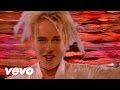
Sunscreem

Pop
Mainstream Pop
Progressive House
 Viberate Rank: 136035
 Viberate Rank: 136035
 Monthly ListenersFollowers
 Subscribers
 Followers
 Followers
 FansTop Spotify Songs
| Track | 7-Day Streams | |
|---|---|---|
1 | 4.56K | |
2 | 4.41K | |
3 | 1.48K | |
4 | 1.35K | |
5 | 1.14K |
Top YouTube VideosMonthly ListenersFeatured in Playlists| Playlist | Followers | |
|---|---|---|
1 |  Headphone Selections by RÜFÜS DU SOL RÜFÜS | 60.27K |
2 |  Now 1 - 114 (1983 - 2023) Now That's What I Call Music 1 - 114 abundantmusic | 56.69K |
3 | 90s Dance Anthems Mark Jason | 47.93K |
4 | '90s Dance Music Mix Anthony Garcia | 31.28K |
5 |  Warehouse Rave 1989-1994 Paul Malone | 26.47K |
Audience| City | Monthly Listeners | |
|---|---|---|
1 | | 2.23K |
2 | | 1.29K |
3 | | 761 |
4 |  | 745 |
5 | | 719 |
See full performance history, audience data, playlist activity, rankings, comparisons, and more in Viberate music analytics. Start with a free trial, then continue with a paid plan.
Sunscreem’s Spotify BioOne of the first rave-pop groups with live-performance abilities as well, Sunscreem formed around Paul Carnell and Lucia Holm (both on keyboards and vocals) with a handful of contributors including guitarists Darren Woodford and Wayne Simms, bassist Rob Fricker, drummer Sean Wright and Baz the DJ. Holm was a session cellist -- with credits including Dream Academy's "Life in a Northern Town" -- when she met Carnell at a warehouse rave in Essex and agreed to form a band. Early singles "Walk On" and "Pressure" became moderate British hits and dancefloor favorites, while 1993's "Love U More" became their trademark song (and biggest hit). The debut Sunscreem album O3 was released in 1993, earning American release through Columbia. The "Perfect Motion" single also became a hit, but the group had disappeared from the charts by the mid-'90s. Their second album Change or Die was finally released in 1996, while the retrospective Looking at You: Club Anthems appeared in 1998. ~ John Bush, Rovi
Viberate is a music analytics platform built for A&Rs, artist managers, labels, booking agents, marketers, and artists.
It helps music professionals track artist growth, analyze audience data, monitor playlist activity, compare artists, follow song performance, and identify opportunities across the music market.
Public artist pages provide a free preview of selected artist data. Paid plans provide access to deeper analytics, historical data, charts, comparisons, playlist tools, exports, alerts, reports, and additional professional features.
Yes. Public Viberate artist pages provide selected artist analytics and music data for free.
Viberate also offers a 7-day free trial of the full platform. A credit card is required to start the trial. The trial includes access to the complete product so users can test deeper artist analytics, historical views, playlist insights, comparisons, charts, exports, alerts, and reporting features before choosing a paid plan.
Viberate provides artist analytics across streaming, playlists, social media, video, radio airplay, songs, and audience markets.
Users can analyze Spotify performance, Spotify and Apple Music playlists, YouTube activity, TikTok and Instagram growth, radio spins, song performance, audience locations, demographics, rankings, and overall artist momentum.
Artist profiles also connect to music charts, similar artists, and comparison tools, helping users benchmark performance and evaluate artists in context.
Viberate updates key artist and track data daily.
For followed artists and tracks, selected data is refreshed multiple times per day. This helps teams monitor playlist changes, streaming movement, audience growth, releases, and campaign performance with more current data.
Update frequency can vary depending on the metric and data source.
Yes. Viberate lets users compare up to five artists side by side across streaming, social media, audience, and engagement metrics.
Users can compare fanbase growth, audience demographics, locations, Spotify performance, social metrics, and other artist data over selected time periods.
Artist comparison can be used for A&R scouting, benchmarking, booking decisions, campaign planning, and evaluating artists with similar audiences or market positions.