Bassheads

Electronic
House
Dance
 Viberate Rank: 225103
 Viberate Rank: 225103
 Monthly ListenersFollowers
 Subscribers
 Followers
 Followers
 FansTop Spotify Songs
| Track | 7-Day Streams | |
|---|---|---|
1 | 3.75K | |
2 | 1.81K | |
3 | 1.42K | |
4 | 585 | |
5 | 231 |
Top YouTube VideosMonthly ListenersFeatured in Playlists| Playlist | Followers | |
|---|---|---|
1 | 90s Dance Anthems Mark Jason | 47.93K |
2 |  backwood rally jan | 32.55K |
3 | '90s Dance Music Mix Anthony Garcia | 31.28K |
4 |  Warehouse Rave 1989-1994 Paul Malone | 26.47K |
5 |  Old Skool Rave | 90s rave culture James Galvin | 25.64K |
Audience| City | Monthly Listeners | |
|---|---|---|
1 | | 434 |
2 | | 312 |
3 |  | 162 |
4 | | 146 |
5 |  | 132 |
See full performance history, audience data, playlist activity, rankings, comparisons, and more in Viberate music analytics. Start with a free trial, then continue with a paid plan.
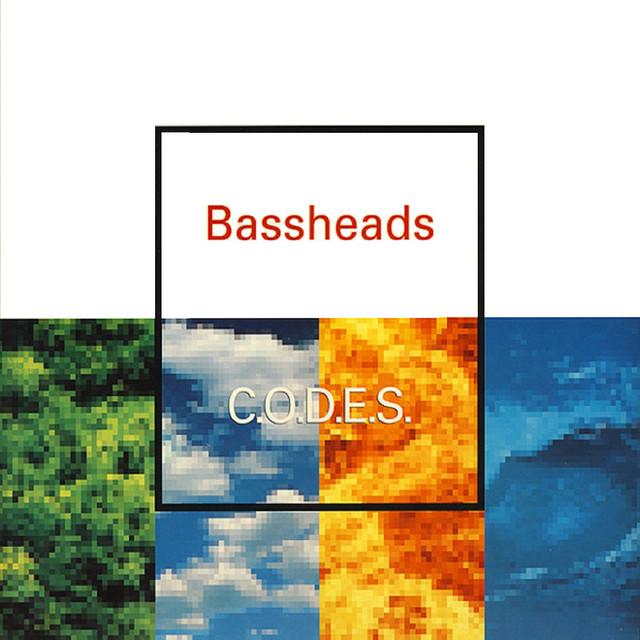
Bassheads’ Spotify BioThis Birkenhead, Merseyside, England-based duo comprised Desa and Nick Murphy and originally came to prominence in 1991 with the release of ‘Is There Anybody Out There?’ Although they reached the UK Top 10, they found themselves being sued by Afrika Bambaataa, the Osmonds, Pink Floyd and even Talking Heads’ representatives for the samples they had employed. Subsequent singles ‘Back To The Old School’ and ‘Who Can Make You Feel Good’ refused to compromise on their pulsating house/sample work. However, by the time of their debut long-player in 1993, the Bassheads had begun to embrace the ambient house movement spearheaded by the Orb and Aphex Twin. At the core of the album was a 24-minute track, ‘C.O.D.E.’, which owed a debt to Brian Eno and Talking Heads. (NB: Not to be confused with the 90s US rap crew Bass Headz.)
Viberate is a music analytics platform built for A&Rs, artist managers, labels, booking agents, marketers, and artists.
It helps music professionals track artist growth, analyze audience data, monitor playlist activity, compare artists, follow song performance, and identify opportunities across the music market.
Public artist pages provide a free preview of selected artist data. Paid plans provide access to deeper analytics, historical data, charts, comparisons, playlist tools, exports, alerts, reports, and additional professional features.
Yes. Public Viberate artist pages provide selected artist analytics and music data for free.
Viberate also offers a 7-day free trial of the full platform. A credit card is required to start the trial. The trial includes access to the complete product so users can test deeper artist analytics, historical views, playlist insights, comparisons, charts, exports, alerts, and reporting features before choosing a paid plan.
Viberate provides artist analytics across streaming, playlists, social media, video, radio airplay, songs, and audience markets.
Users can analyze Spotify performance, Spotify and Apple Music playlists, YouTube activity, TikTok and Instagram growth, radio spins, song performance, audience locations, demographics, rankings, and overall artist momentum.
Artist profiles also connect to music charts, similar artists, and comparison tools, helping users benchmark performance and evaluate artists in context.
Viberate updates key artist and track data daily.
For followed artists and tracks, selected data is refreshed multiple times per day. This helps teams monitor playlist changes, streaming movement, audience growth, releases, and campaign performance with more current data.
Update frequency can vary depending on the metric and data source.
Yes. Viberate lets users compare up to five artists side by side across streaming, social media, audience, and engagement metrics.
Users can compare fanbase growth, audience demographics, locations, Spotify performance, social metrics, and other artist data over selected time periods.
Artist comparison can be used for A&R scouting, benchmarking, booking decisions, campaign planning, and evaluating artists with similar audiences or market positions.