Style

Pop
Indie Pop
Mainstream Pop
 Viberate Rank: 215608
 Viberate Rank: 215608
 Monthly ListenersFollowers
 Subscribers
 Followers
 Followers
 FansTop Spotify Songs
| Track | 7-Day Streams | |
|---|---|---|
1 | 19.45K | |
2 | 12.09K | |
3 | 8.82K | |
4 | 8.43K | |
5 | 5.10K |
Top YouTube VideosMonthly ListenersFeatured in Playlists| Playlist | Followers | |
|---|---|---|
1 |  Summer 2026 🍉☀️ Official Playlist Filtr Sweden | 142.65K |
2 |  Svenska låtar alla kan! 🇸🇪 Filtr Sweden | 111.64K |
3 |  Lugna Favoriter 2026 🤍 skön & mysig musik Filtr Sweden | 94.65K |
4 |  Sommarklassiker 🇸🇪 Filtr Legacy Sweden | 68.62K |
5 |  LUGNA LÅTAR 2026 🌼 lugn & mysig musik Filtr Sweden | 65.00K |
Audience| City | Monthly Listeners | |
|---|---|---|
1 | | 19.52K |
2 | | 13.00K |
3 | | 6.71K |
4 |  | 2.80K |
5 | | 2.55K |
See full performance history, audience data, playlist activity, rankings, comparisons, and more in Viberate music analytics. Start with a free trial, then continue with a paid plan.
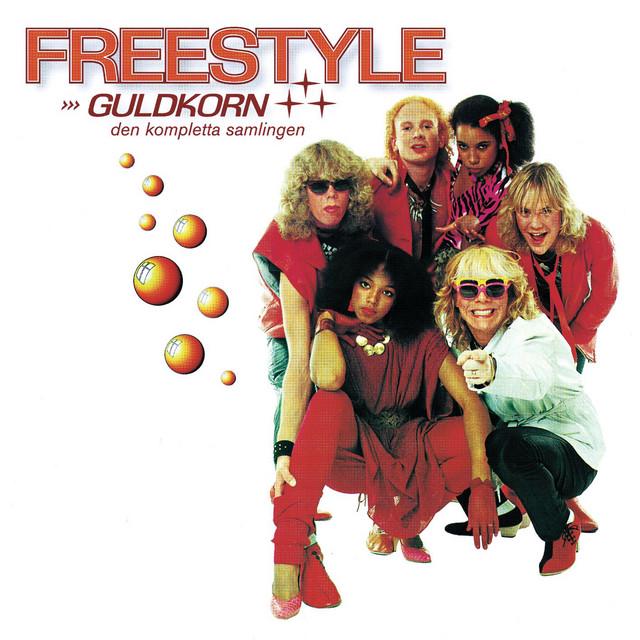
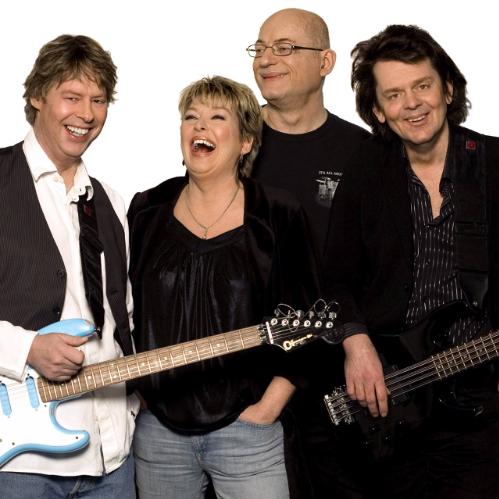
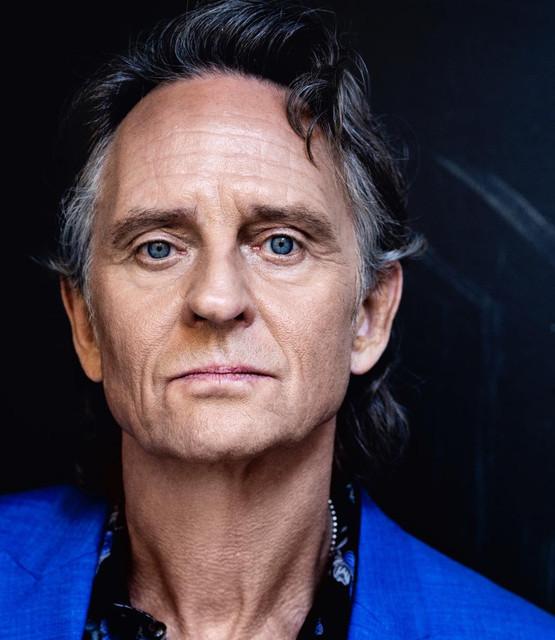
Style’s Spotify BioStyle are a Swedish synth pop band that peaked in popularity during the mid-'80s with a string of Top Five hits, most notably the chart-topping smash "Dover-Calais." The band was founded in 1983 by Christer Sandelin, Tommy Ekman, and Gigi Hamilton, who previously had been members of Freestyle, an internationally popular synth pop band with a similar style. During 1981 and 1982, Freestyle hit the upper reaches of the charts in Sweden and Norway with the albums Fantasi (1981) and Modiga Agenter (1982) and the singles "Vill Ha Dej" (1981) and "Ögon Som Glittrar" (1982). Following Freestyle's breakup, Ekman, Sandelin, and Hamilton founded Style -- essentially a continuation of Freestyle with fewer bandmembers -- and made their album debut in 1983 with So Chic. The album wasn't especially popular, nor was its follow-up effort, Visioner (1985). Style at last broke through to mainstream success in 1986 with a third-place finish in that year's Swedish Melodifestivalen with their song… "Dover-Calais."
Released as a commercial single, "Dover-Calais" was a smash hit, topping the Swedish singles chart and reaching the Top Ten in Norway. The accompanying full-length album, Heaven No. 7 (1986), the band's third full-length effort to date, was also a big hit, reaching the Top Five in Sweden and the Top 20 in Norway. The follow-up albums Daylight Robbery (1987) and Question of Time (1988) were also popular, reaching the Top Ten in Sweden and spawning the Top Five hits "Run for Your Life," "Empty Bed," and "It's a Secret." In addition, the band competed in Melodifestivalen a second time, finishing in sixth place in 1987 with "Hand i Hand." In the midst of this success, Style broke up in 1989, and the bandmembers embarked on separate solo careers. Sandelin was most successful, hitting the Top Five in 1989 with the hit single "Det Hon Vill Ha." He made his solo album debut in 1989 with Luften Darrar, a Top Ten hit, while Ekman made his in 1990 with Tommy Ekman and Hamilton made hers in 1991 with Gigi Hamilton. Ten years after the breakup of Style, Ekman and Sandelin reunited the band sans Hamilton for the Top Ten comeback album Vill Ha Dej Igen (2009), the title track of which was a Top Five hit. ~ Jason Birchmeier, Rovi
Viberate is a music analytics platform built for A&Rs, artist managers, labels, booking agents, marketers, and artists.
It helps music professionals track artist growth, analyze audience data, monitor playlist activity, compare artists, follow song performance, and identify opportunities across the music market.
Public artist pages provide a free preview of selected artist data. Paid plans provide access to deeper analytics, historical data, charts, comparisons, playlist tools, exports, alerts, reports, and additional professional features.
Yes. Public Viberate artist pages provide selected artist analytics and music data for free.
Viberate also offers a 7-day free trial of the full platform. A credit card is required to start the trial. The trial includes access to the complete product so users can test deeper artist analytics, historical views, playlist insights, comparisons, charts, exports, alerts, and reporting features before choosing a paid plan.
Viberate provides artist analytics across streaming, playlists, social media, video, radio airplay, songs, and audience markets.
Users can analyze Spotify performance, Spotify and Apple Music playlists, YouTube activity, TikTok and Instagram growth, radio spins, song performance, audience locations, demographics, rankings, and overall artist momentum.
Artist profiles also connect to music charts, similar artists, and comparison tools, helping users benchmark performance and evaluate artists in context.
Viberate updates key artist and track data daily.
For followed artists and tracks, selected data is refreshed multiple times per day. This helps teams monitor playlist changes, streaming movement, audience growth, releases, and campaign performance with more current data.
Update frequency can vary depending on the metric and data source.
Yes. Viberate lets users compare up to five artists side by side across streaming, social media, audience, and engagement metrics.
Users can compare fanbase growth, audience demographics, locations, Spotify performance, social metrics, and other artist data over selected time periods.
Artist comparison can be used for A&R scouting, benchmarking, booking decisions, campaign planning, and evaluating artists with similar audiences or market positions.