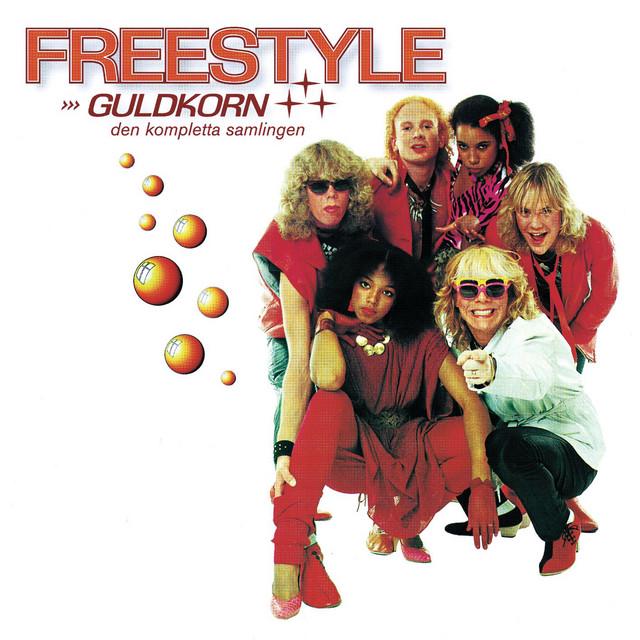
Freestyle

Electronic
Dance
 Viberate Rank: 123015
 Viberate Rank: 123015
 Monthly ListenersFollowers
 Subscribers
 Followers
 Followers
 FansTop Spotify Songs
| Track | 7-Day Streams | |
|---|---|---|
1 | 76.51K | |
2 | 32.67K | |
3 | 24.09K | |
4 | 16.66K | |
5 | 12.29K |
Top YouTube VideosMonthly ListenersFeatured in Playlists| Playlist | Followers | |
|---|---|---|
1 |  Svenska Favoriter Spotify | 295.92K |
2 |  SVENSKA BANGERS Are Högsnes | 73.82K |
3 |  Det svenska Åttiotalet Spotify | 63.44K |
4 |  Midsommar Spotify | 47.13K |
5 |  Passinho dos anos 80-90 DJ SOARES | 34.43K |
Audience| City | Monthly Listeners | |
|---|---|---|
1 | | 56.23K |
2 | | 39.37K |
3 | | 20.46K |
4 |  | 11.38K |
5 | | 7.58K |
See full performance history, audience data, playlist activity, rankings, comparisons, and more in Viberate music analytics. Start with a free trial, then continue with a paid plan.
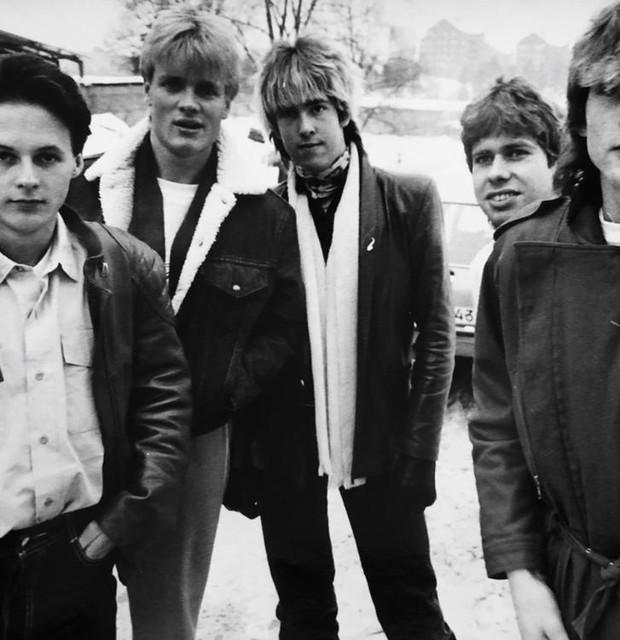
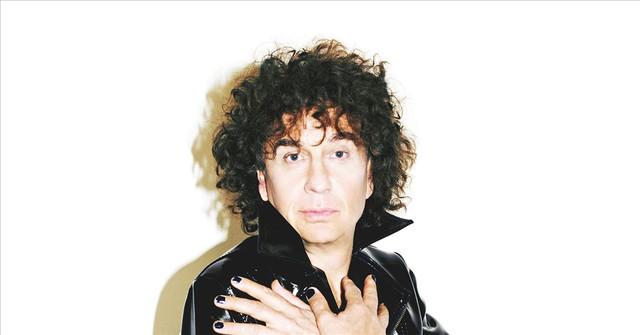
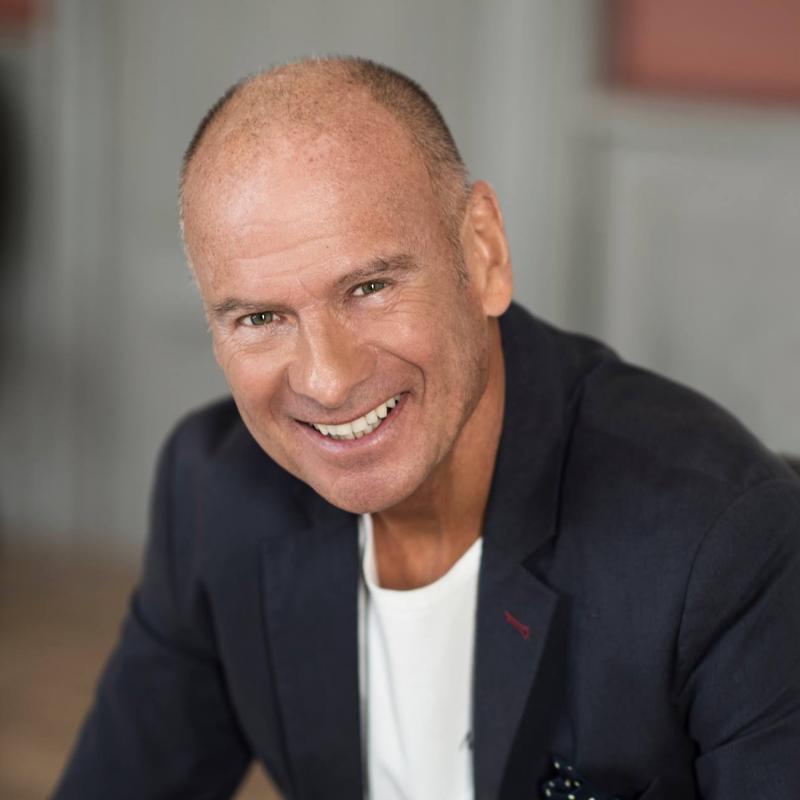
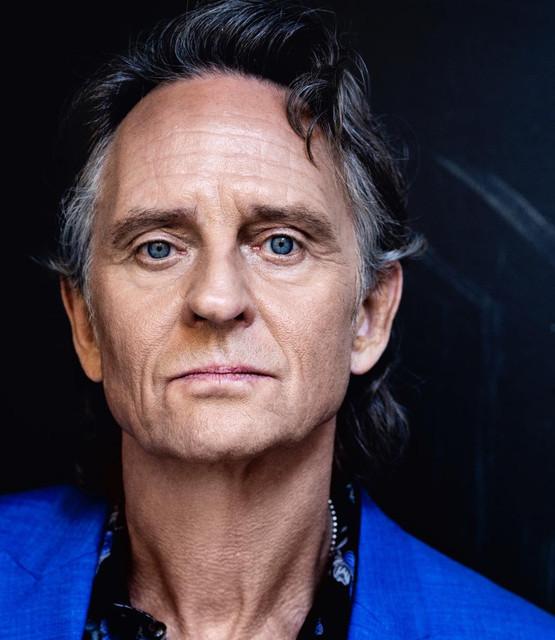
Freestyle’s Spotify BioFreestyle is a Swedish synth pop band that was internationally popular during 1981-1982, hitting the upper reaches of the singles charts in Sweden and Norway before splitting up in 1983. A few bandmembers experienced even greater success afterward as founders of the chart-topping synth pop band Style. Founded in 1978, Freestyle is comprised of Christer Sandelin, Tommy Ekman, Joakim Hagleitner, Gigi Hamilton, Diane Corinne Söderholm, and Anders Uddberg. Another member, Kayo (aka Kayo Shekoni), left the band in 1981 and went on to a successful solo career of his own in the '90s. Freestyle made their full-length debut in 1981 with Fantasi on the label Sound of Scandinavia after releasing a few singles the prior year. One of the band's early singles, "Vill Ha Dej," became an international smash hit in 1981, topping the singles chart in Sweden for five straight weeks and reaching number two in neighboring Norway. Fantasi was similarly popular, topping the albums chart in Sweden and reaching… the Top Ten in Norway. Moreover, an English-language version of Fantasi was released in 1981 as Fantasy, and several follow-up singles were released in the wake of "Vill Ha Dej." Freestyle's second album, Modiga Agenter (1982), was another big hit, reaching the Top Five in Sweden and the Top 20 in Norway. Among the album's singles, "Ögon Som Glittrar" was most popular, reaching the Top Five in Sweden and the Top Ten in Norway. At the height of its success, the band split up, with the trio of Ekman, Sandelin, and Hamilton leaving to found Style, essentially a continuation of Freestyle with fewer members. Then after Style broke up in 1989, all three embarked on solo careers. In the aftermath of Freestyle's demise, numerous best-of compilations were released, among them 10 (1995) and Guldkorn (1998). ~ Jason Birchmeier, Rovi
Viberate is a music analytics platform built for A&Rs, artist managers, labels, booking agents, marketers, and artists.
It helps music professionals track artist growth, analyze audience data, monitor playlist activity, compare artists, follow song performance, and identify opportunities across the music market.
Public artist pages provide a free preview of selected artist data. Paid plans provide access to deeper analytics, historical data, charts, comparisons, playlist tools, exports, alerts, reports, and additional professional features.
Yes. Public Viberate artist pages provide selected artist analytics and music data for free.
Viberate also offers a 7-day free trial of the full platform. A credit card is required to start the trial. The trial includes access to the complete product so users can test deeper artist analytics, historical views, playlist insights, comparisons, charts, exports, alerts, and reporting features before choosing a paid plan.
Viberate provides artist analytics across streaming, playlists, social media, video, radio airplay, songs, and audience markets.
Users can analyze Spotify performance, Spotify and Apple Music playlists, YouTube activity, TikTok and Instagram growth, radio spins, song performance, audience locations, demographics, rankings, and overall artist momentum.
Artist profiles also connect to music charts, similar artists, and comparison tools, helping users benchmark performance and evaluate artists in context.
Viberate updates key artist and track data daily.
For followed artists and tracks, selected data is refreshed multiple times per day. This helps teams monitor playlist changes, streaming movement, audience growth, releases, and campaign performance with more current data.
Update frequency can vary depending on the metric and data source.
Yes. Viberate lets users compare up to five artists side by side across streaming, social media, audience, and engagement metrics.
Users can compare fanbase growth, audience demographics, locations, Spotify performance, social metrics, and other artist data over selected time periods.
Artist comparison can be used for A&R scouting, benchmarking, booking decisions, campaign planning, and evaluating artists with similar audiences or market positions.