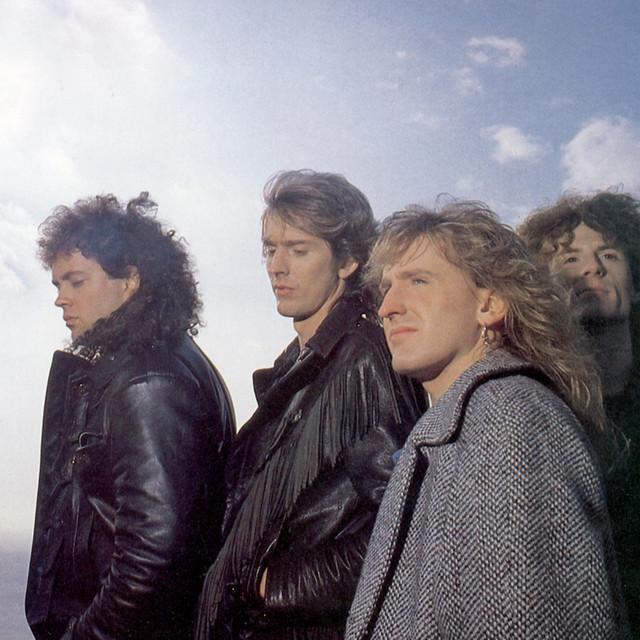
Strangeways

Rock
Alternative Rock
Pop Rock
 Viberate Rank: 126570
 Viberate Rank: 126570
 Monthly ListenersFollowers
 Subscribers
 Followers
 Followers
 FansTop Spotify Songs
| Track | 7-Day Streams | |
|---|---|---|
1 | 8.29K | |
2 | 8.29K | |
3 | 5.10K | |
4 | 5.10K | |
5 | 5.00K |
Top YouTube VideosMonthly ListenersFeatured in Playlists| Playlist | Followers | |
|---|---|---|
1 |  80’s Hair Metal & Rock halun1 | 40.35K |
2 |  Rock Ballads Saygın Sarıoğlu | 35.31K |
3 | TREINO ANOS 80 & 90 Philipe Vecchio | 28.11K |
4 | AOR 80's Orkun Ersin | 7.60K |
5 | AOR / Melodic Rock Magnus Olsson | 6.17K |
Audience| City | Monthly Listeners | |
|---|---|---|
1 |  | 677 |
2 |  | 571 |
3 |  | 503 |
4 |  | 497 |
5 | | 386 |
See full performance history, audience data, playlist activity, rankings, comparisons, and more in Viberate music analytics. Start with a free trial, then continue with a paid plan.
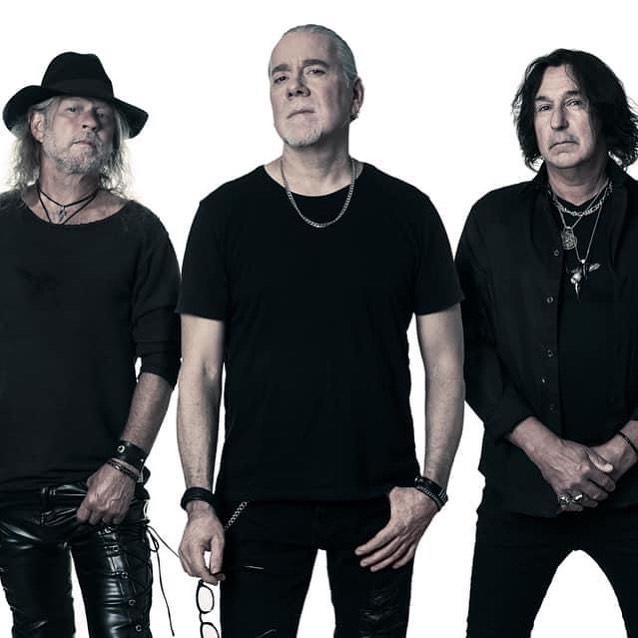
Strangeways’ Spotify BioThis Scottish heavy AOR quartet was put together in 1985 by brothers Ian (guitar) and David Stewart (bass) after demise of China White. With Jim Drummond (drums) and Tony Liddell (vocals), they debuted with a self-titled album in 1985. This offered a blend of Americanized, melodic AOR comparable with the work of Boston, Journey or Kansas. Produced by Kevin Elson (of Journey fame), it surpassed many expectations, but was ignored by the British public. Terry Brock (from Atlanta, USA) replaced Liddell on Native Sons, which saw the band consolidate their style and progress significantly as songwriters. It remains one of the sadly neglected albums of the pomp-rock/AOR genre. Walk In The Fire was not as immediate, with Brock’s vocals sounding hoarse and less sophisticated. He left to audition for Deep Purple in 1989, but was unsuccessful. Further albums were released with Ian Stewart on lead vocals.
Viberate is a music analytics platform built for A&Rs, artist managers, labels, booking agents, marketers, and artists.
It helps music professionals track artist growth, analyze audience data, monitor playlist activity, compare artists, follow song performance, and identify opportunities across the music market.
Public artist pages provide a free preview of selected artist data. Paid plans provide access to deeper analytics, historical data, charts, comparisons, playlist tools, exports, alerts, reports, and additional professional features.
Yes. Public Viberate artist pages provide selected artist analytics and music data for free.
Viberate also offers a 7-day free trial of the full platform. A credit card is required to start the trial. The trial includes access to the complete product so users can test deeper artist analytics, historical views, playlist insights, comparisons, charts, exports, alerts, and reporting features before choosing a paid plan.
Viberate provides artist analytics across streaming, playlists, social media, video, radio airplay, songs, and audience markets.
Users can analyze Spotify performance, Spotify and Apple Music playlists, YouTube activity, TikTok and Instagram growth, radio spins, song performance, audience locations, demographics, rankings, and overall artist momentum.
Artist profiles also connect to music charts, similar artists, and comparison tools, helping users benchmark performance and evaluate artists in context.
Viberate updates key artist and track data daily.
For followed artists and tracks, selected data is refreshed multiple times per day. This helps teams monitor playlist changes, streaming movement, audience growth, releases, and campaign performance with more current data.
Update frequency can vary depending on the metric and data source.
Yes. Viberate lets users compare up to five artists side by side across streaming, social media, audience, and engagement metrics.
Users can compare fanbase growth, audience demographics, locations, Spotify performance, social metrics, and other artist data over selected time periods.
Artist comparison can be used for A&R scouting, benchmarking, booking decisions, campaign planning, and evaluating artists with similar audiences or market positions.