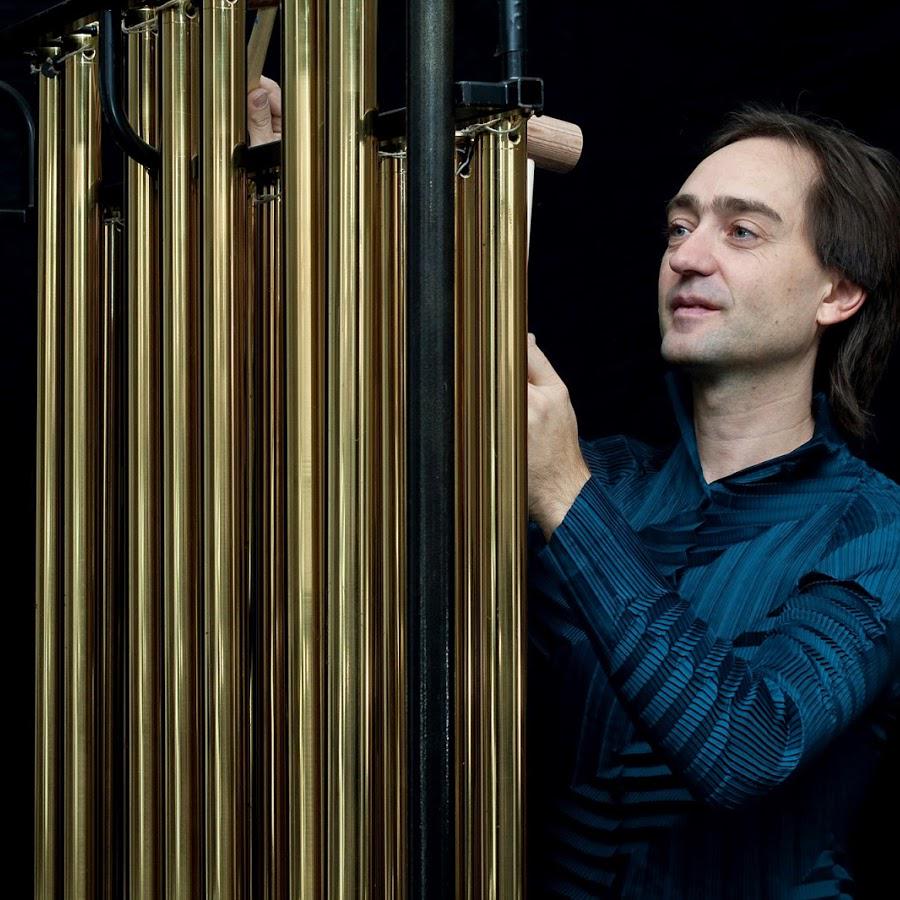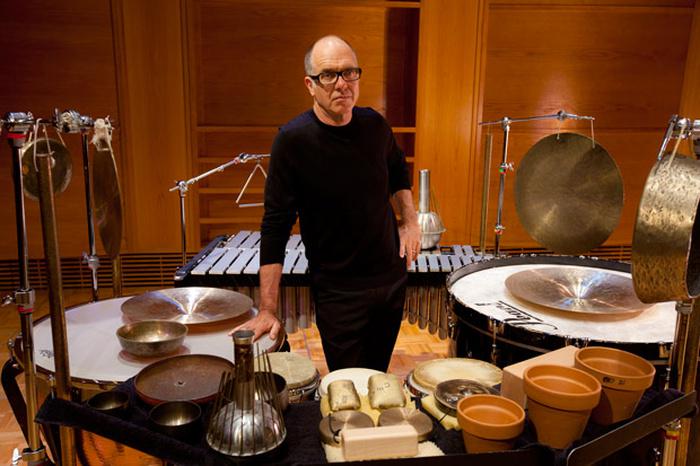
Steven Schick

Classical
Orchestral
 Viberate Rank: 730583
 Viberate Rank: 730583
 Monthly ListenersFollowers
 Subscribers
 Followers
 Followers
 FansTop Spotify Songs
| Track | 7-Day Streams | |
|---|---|---|
1 | 323 | |
2 | 69 | |
3 | 48 | |
4 | 38 | |
5 | 37 |
Top YouTube VideosMonthly ListenersFeatured in Playlists| Playlist | Followers | |
|---|---|---|
1 |  NPR Classical NPR Music | 14.43K |
2 |  GENREPHOBIC blustre | 6.81K |
3 |  🎶 Creadoras de la Historia de la Música (@svmusicology) Sakira Ventura | 3.67K |
4 |  The Sound of Compositional Ambient The Sounds of Spotify | 2.99K |
5 |  ECM Records: 2001 - 2603 Ulysses' Classical | 2.92K |
Audience| City | Monthly Listeners | |
|---|---|---|
1 |  | 94 |
2 |  | 62 |
3 | | 46 |
4 |  | 43 |
5 | | 29 |
See full performance history, audience data, playlist activity, rankings, comparisons, and more in Viberate music analytics. Start with a free trial, then continue with a paid plan.
Steven Schick’s Spotify BioA major force in contemporary percussion music in the U.S., Steven Schick is also an important educator. He has commissioned some 100 new percussion works.
Schick was born in 1954 in Mason City, Iowa, and grew up on a farm in nearby Clear Lake. His youth, heavily defined by farm chores, had no point of contact with contemporary composition, but his mother was an enthusiastic amateur pianist, and his uncle played drums in a rock band. His parents encouraged his interest in the drums, but only because for him to play percussion in his high school band, they would only have to buy drumsticks, not the instruments themselves. Schick enrolled at Luther College in Decorah, Iowa, planning on a pre-med course of study with a membership in the college band on the side, but he found that he was more interested in spending time with other musicians. He transferred to the University of Iowa, majoring in music and studying with the jazz-oriented Thomas L. Davis. After graduating in 1976, Schick went… on for a master's degree at Iowa, and it was then, as he became involved with the school's Center for New Music, that his interest in contemporary music really developed. Working as a percussionist for the Center, Schick won first prize in an American Wind Symphony Orchestra competition in 1980. A Fulbright Fellowship the following year enabled him to study at the Staatliche Hochschule für Musik in Freiburg, Germany; in Germay, he studied with Bernhard Wulff and earned a soloist's diploma in 1982.
In 1983, Schick joined the faculty at California State University, Fresno. He also became part of the roster of the Affiliate Artists agency, performing Karlheinz Stockhausen's Zyklus frequently and successfully in such venues as lunch at a fruit packing plant, a Kiwanis Club, libraries, and nursing homes. Schick is notable for memorizing the scores he performs, something he attributes to early experiences as a rock drummer; he feels that although this takes more time, he internalizes the music better this way. In 1991, he moved to the University of California at San Diego, where he reached the rank of Distinguished Professor before retiring in the late 2010s. In 1994, Schick made his recording debut with the percussion recital album Born to Be Wild. He continued to perform, commissioning new works such as David Lang's The Anvil Chorus, Brian Ferneyhough's Bone Alphabet, and Roger Reynolds' Watershed. Schick gave the first U.S. performances of Rebonds by Iannis Xenakis and Kaija Saariaho's Six Japanese Gardens. He also spent a period of time as percussionist in the New York ensemble Bang on a Can. From 2011 to 2019, he was director of the San Francisco Contemporary Players, and he has also conducted the La Jolla Symphony Orchestra. Schick has made some 15 recordings, including a set of the complete early percussion works of Stockhausen for the Mode label. In 2022, he released the album Weather Systems I: A Hard Rain on the Islandia label. ~ James Manheim, Rovi
Viberate is a music analytics platform built for A&Rs, artist managers, labels, booking agents, marketers, and artists.
It helps music professionals track artist growth, analyze audience data, monitor playlist activity, compare artists, follow song performance, and identify opportunities across the music market.
Public artist pages provide a free preview of selected artist data. Paid plans provide access to deeper analytics, historical data, charts, comparisons, playlist tools, exports, alerts, reports, and additional professional features.
Yes. Public Viberate artist pages provide selected artist analytics and music data for free.
Viberate also offers a 7-day free trial of the full platform. A credit card is required to start the trial. The trial includes access to the complete product so users can test deeper artist analytics, historical views, playlist insights, comparisons, charts, exports, alerts, and reporting features before choosing a paid plan.
Viberate provides artist analytics across streaming, playlists, social media, video, radio airplay, songs, and audience markets.
Users can analyze Spotify performance, Spotify and Apple Music playlists, YouTube activity, TikTok and Instagram growth, radio spins, song performance, audience locations, demographics, rankings, and overall artist momentum.
Artist profiles also connect to music charts, similar artists, and comparison tools, helping users benchmark performance and evaluate artists in context.
Viberate updates key artist and track data daily.
For followed artists and tracks, selected data is refreshed multiple times per day. This helps teams monitor playlist changes, streaming movement, audience growth, releases, and campaign performance with more current data.
Update frequency can vary depending on the metric and data source.
Yes. Viberate lets users compare up to five artists side by side across streaming, social media, audience, and engagement metrics.
Users can compare fanbase growth, audience demographics, locations, Spotify performance, social metrics, and other artist data over selected time periods.
Artist comparison can be used for A&R scouting, benchmarking, booking decisions, campaign planning, and evaluating artists with similar audiences or market positions.