Rebecca Saunders

Classical
Chamber Music
Classical Crossover
 Viberate Rank: 492927
 Viberate Rank: 492927
 Monthly ListenersFollowers
 Subscribers
 Followers
 Followers
 FansTop Spotify Songs
| Track | 7-Day Streams | |
|---|---|---|
1 | 146 | |
2 | 55 | |
3 | 28 | |
4 | 18 | |
5 | 13 |
Top YouTube VideosMonthly ListenersFeatured in Playlists| Playlist | Followers | |
|---|---|---|
1 |  DLF_Klassik-Pop-et cetera Deutschlandfunk | 7.97K |
2 |  🎶 Creadoras de la Historia de la Música (@svmusicology) Sakira Ventura | 3.67K |
3 |  Alex Ross's The Rest is Noise aidanosu | 2.70K |
4 |  365 Days of Music by Women Chords & Queens | 2.42K |
5 |  The Sound of 21st Century Classical The Sounds of Spotify | 2.37K |
Audience| City | Monthly Listeners | |
|---|---|---|
1 |  | 24 |
2 |  | 24 |
3 | | 23 |
4 |  | 22 |
5 | | 15 |
See full performance history, audience data, playlist activity, rankings, comparisons, and more in Viberate music analytics. Start with a free trial, then continue with a paid plan.
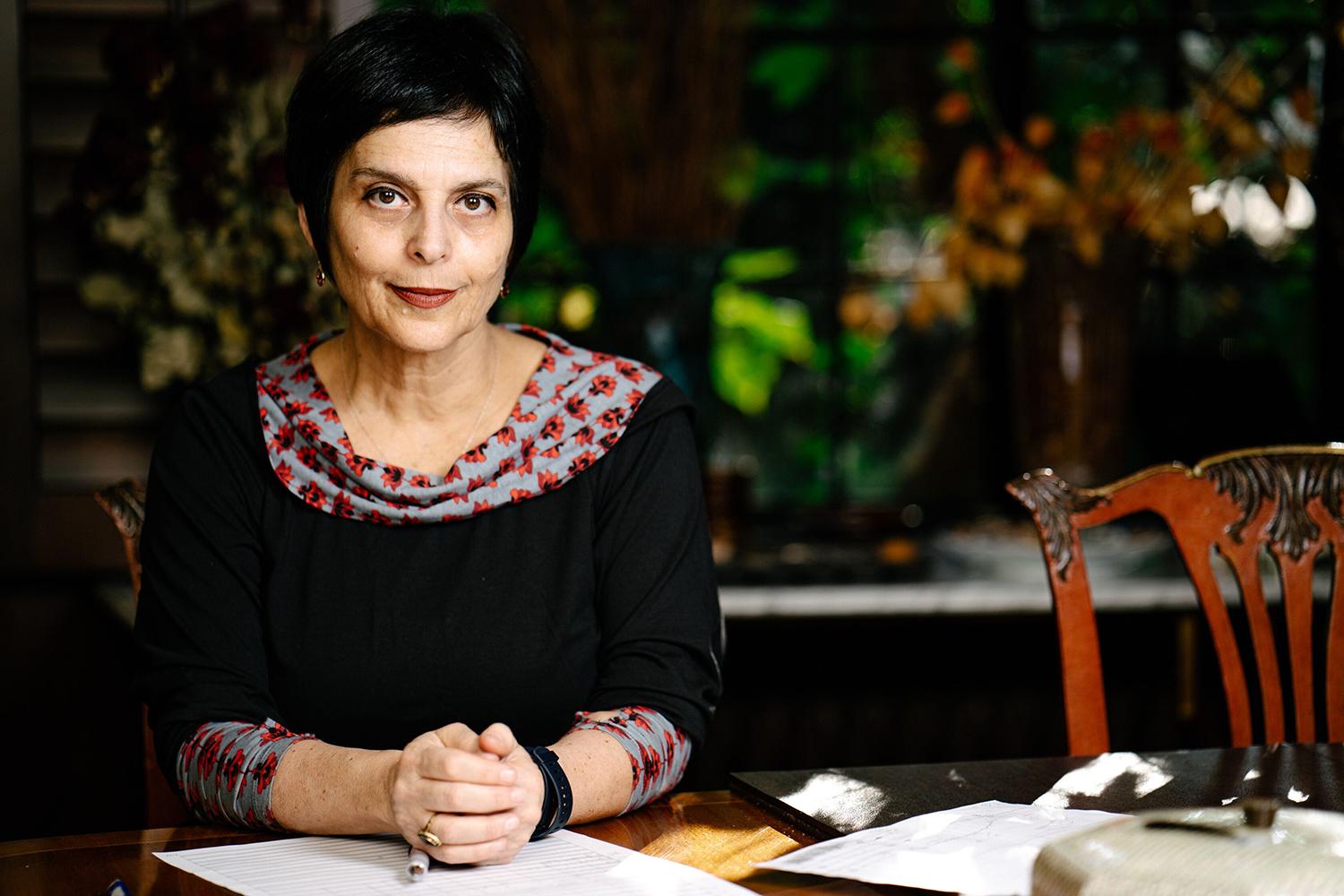
Rebecca Saunders’ Spotify BioBritish-born composer Rebecca Saunders is active mostly in Germany, where leading contemporary music ensembles such as Musikfabrik have welcomed her work. Her music focuses closely on the timbral and spatial qualities of individual instruments, but she has composed some works for larger ensembles.
Saunders was born on December 19, 1967, in London. She attended the University of Edinburgh, studying violin and composition and earning a PhD in the latter in 1997. By that time, her interest in the German scene was already well-developed; she received a DAAD academic exchange scholarship from the German government for studies at the Hochschule für Musik Karlsruhe with Wolfgang Rihm from 1991 to 1994. Saunders won several prizes in Germany and served as composer-in-residence at the Konzerthaus Dortmund in 2005 and 2006 and at the Staatskapelle Dresden in 2009 and 2010. She also taught at the Darmstadt International Summer Courses in 2010 and 2012, and she has lived in Berlin, Germany, for… some time. Saunders has also remained active in her native country; she served as composer-in-residence at the Huddersfield Music Festival in 2010, and her work traces was performed at the Proms in London in 2009.
In Germany, Saunders' works have been performed by such groups as Ensemble Musikfabrik, Klangforum Wien, Ensemble Modern, and Ensemble Resonanz. They have also been played by many groups abroad, among them Ensemble Recherche and the BBC Symphony Orchestra. Saunders won two of Germany's major prizes, the Mauricio Kagel Music Prize in 2015, and in 2019, she won the Ernst von Siemens Music Prize; she was the second woman and the first female composer to win. Some of Saunders' most notable compositions were the percussion concerto void (2014), the vocal work skin (2016), which the writers of the London Guardian ranked as the 16th-greatest work of concert music since the year 2000, and the installation composition Yes (2017). By the early 2020s, more than 20 of Saunders' compositions had been recorded. ~ James Manheim, Rovi
Viberate is a music analytics platform built for A&Rs, artist managers, labels, booking agents, marketers, and artists.
It helps music professionals track artist growth, analyze audience data, monitor playlist activity, compare artists, follow song performance, and identify opportunities across the music market.
Public artist pages provide a free preview of selected artist data. Paid plans provide access to deeper analytics, historical data, charts, comparisons, playlist tools, exports, alerts, reports, and additional professional features.
Yes. Public Viberate artist pages provide selected artist analytics and music data for free.
Viberate also offers a 7-day free trial of the full platform. A credit card is required to start the trial. The trial includes access to the complete product so users can test deeper artist analytics, historical views, playlist insights, comparisons, charts, exports, alerts, and reporting features before choosing a paid plan.
Viberate provides artist analytics across streaming, playlists, social media, video, radio airplay, songs, and audience markets.
Users can analyze Spotify performance, Spotify and Apple Music playlists, YouTube activity, TikTok and Instagram growth, radio spins, song performance, audience locations, demographics, rankings, and overall artist momentum.
Artist profiles also connect to music charts, similar artists, and comparison tools, helping users benchmark performance and evaluate artists in context.
Viberate updates key artist and track data daily.
For followed artists and tracks, selected data is refreshed multiple times per day. This helps teams monitor playlist changes, streaming movement, audience growth, releases, and campaign performance with more current data.
Update frequency can vary depending on the metric and data source.
Yes. Viberate lets users compare up to five artists side by side across streaming, social media, audience, and engagement metrics.
Users can compare fanbase growth, audience demographics, locations, Spotify performance, social metrics, and other artist data over selected time periods.
Artist comparison can be used for A&R scouting, benchmarking, booking decisions, campaign planning, and evaluating artists with similar audiences or market positions.