Steve Morse

Rock
Progressive Rock
Jazz Fusion
Heavy Metal
 Viberate Rank: 100027
 Viberate Rank: 100027
 Monthly ListenersFollowers
 Subscribers
 Followers
 Followers
 FansTop Spotify Songs
| Track | 7-Day Streams | |
|---|---|---|
1 | 4.30K | |
2 | 4.21K | |
3 | 2.39K | |
4 | 2.14K | |
5 | 1.83K |
Top YouTube VideosMonthly ListenersFeatured in Playlists| Playlist | Followers | |
|---|---|---|
1 |  Christmas Music 🎄 Holiday Classics Filtr US | 1.01M |
2 |  Metal Christmas Spotify | 157.04K |
3 | BEST GUITAR SOLOS OF ALL TIME t.riccardo | 95.19K |
4 |  Metal Instrumentals Samidhya Sarker Torsho | 18.16K |
5 |  dance moms songs luanna 🌀 | 16.80K |
Audience| City | Monthly Listeners | |
|---|---|---|
1 |  | 507 |
2 |  | 354 |
3 |  | 269 |
4 | | 235 |
5 |  | 206 |
See full performance history, audience data, playlist activity, rankings, comparisons, and more in Viberate music analytics. Start with a free trial, then continue with a paid plan.
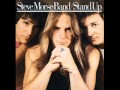
Steve Morse’s Spotify BioSteve Morse has enjoyed a healthy following particularly among guitar players, he has scored highly in readers' polls held annually by musicians' magazines. Although initially inspired by the Beatles as a teen, Morse began to expand his listening to include the Yardbirds, Jimi Hendrix, and Led Zeppelin. Although he played a little piano and some clarinet, he became fascinated with guitar after seeing a concert by classical guitarist Juan Mercadal, who later gave the teenaged Morse some lessons. Deeply influenced by a campus performance by John McLaughlin's Mahavishnu Orchestra while he was attending the University of Miami, Morse decided to focus on instrumental rock music; in 1974 he put together his first band, the Dixie Dregs (later simply the Dregs), which would go on to become one of the defining groups in the fusion genre. After Morse had fronted the Dregs on some 14 albums, the Steve Morse Band began their recording career in 1984. Soon after, Elektra Records snatched Morse up… and he cut two albums for the label, The Introduction in 1984 and Stand Up in 1985, before joining Kansas and appearing on two of the arena prog band's albums for the MCA label, Power (1986) and In the Spirit of Things (1988).
Morse then signed to MCA as a solo artist, and in the late '80s and early '90s his albums for the label included High Tension Wires (1989), Southern Steel (1991), and Coast to Coast (1992). After leaving MCA in 1992, Morse recorded two excellent albums for Windham Hill/BMG Records, Structural Damage (1995) and StressFest (1996), and in 1994 he joined Deep Purple as a replacement for Ritchie Blackmore, appearing on a number of the hard-rocking metallers' live albums as well as four studio-recorded long-players over the course of nearly a decade: Purpendicular (1996), Abandon (1998), Bananas (2003), and Rapture of the Deep (2005). Meanwhile, in 2003 Morse joined the supergroup Living Loud, also featuring vocalist Jimmy Barnes (INXS, Cold Chisel) and Ozzy Osbourne bassist Bob Daisley and drummer Lee Kerslake; the band released its eponymous debut full-length in 2003 and, following the addition of Deep Purple keyboardist Don Airey to the lineup, the CD Live in Sydney 2004 (2005) and companion DVD Debut Live Concert: Sydney Fox Studios, 2004 (2006). The Steve Morse Band's Out Standing in Their Field arrived in 2009, and the following year saw the release of Angelfire, a collaboration between Morse and singer/songwriter Sarah Spencer. ~ Richard Skelly, Rovi
Viberate is a music analytics platform built for A&Rs, artist managers, labels, booking agents, marketers, and artists.
It helps music professionals track artist growth, analyze audience data, monitor playlist activity, compare artists, follow song performance, and identify opportunities across the music market.
Public artist pages provide a free preview of selected artist data. Paid plans provide access to deeper analytics, historical data, charts, comparisons, playlist tools, exports, alerts, reports, and additional professional features.
Yes. Public Viberate artist pages provide selected artist analytics and music data for free.
Viberate also offers a 7-day free trial of the full platform. A credit card is required to start the trial. The trial includes access to the complete product so users can test deeper artist analytics, historical views, playlist insights, comparisons, charts, exports, alerts, and reporting features before choosing a paid plan.
Viberate provides artist analytics across streaming, playlists, social media, video, radio airplay, songs, and audience markets.
Users can analyze Spotify performance, Spotify and Apple Music playlists, YouTube activity, TikTok and Instagram growth, radio spins, song performance, audience locations, demographics, rankings, and overall artist momentum.
Artist profiles also connect to music charts, similar artists, and comparison tools, helping users benchmark performance and evaluate artists in context.
Viberate updates key artist and track data daily.
For followed artists and tracks, selected data is refreshed multiple times per day. This helps teams monitor playlist changes, streaming movement, audience growth, releases, and campaign performance with more current data.
Update frequency can vary depending on the metric and data source.
Yes. Viberate lets users compare up to five artists side by side across streaming, social media, audience, and engagement metrics.
Users can compare fanbase growth, audience demographics, locations, Spotify performance, social metrics, and other artist data over selected time periods.
Artist comparison can be used for A&R scouting, benchmarking, booking decisions, campaign planning, and evaluating artists with similar audiences or market positions.