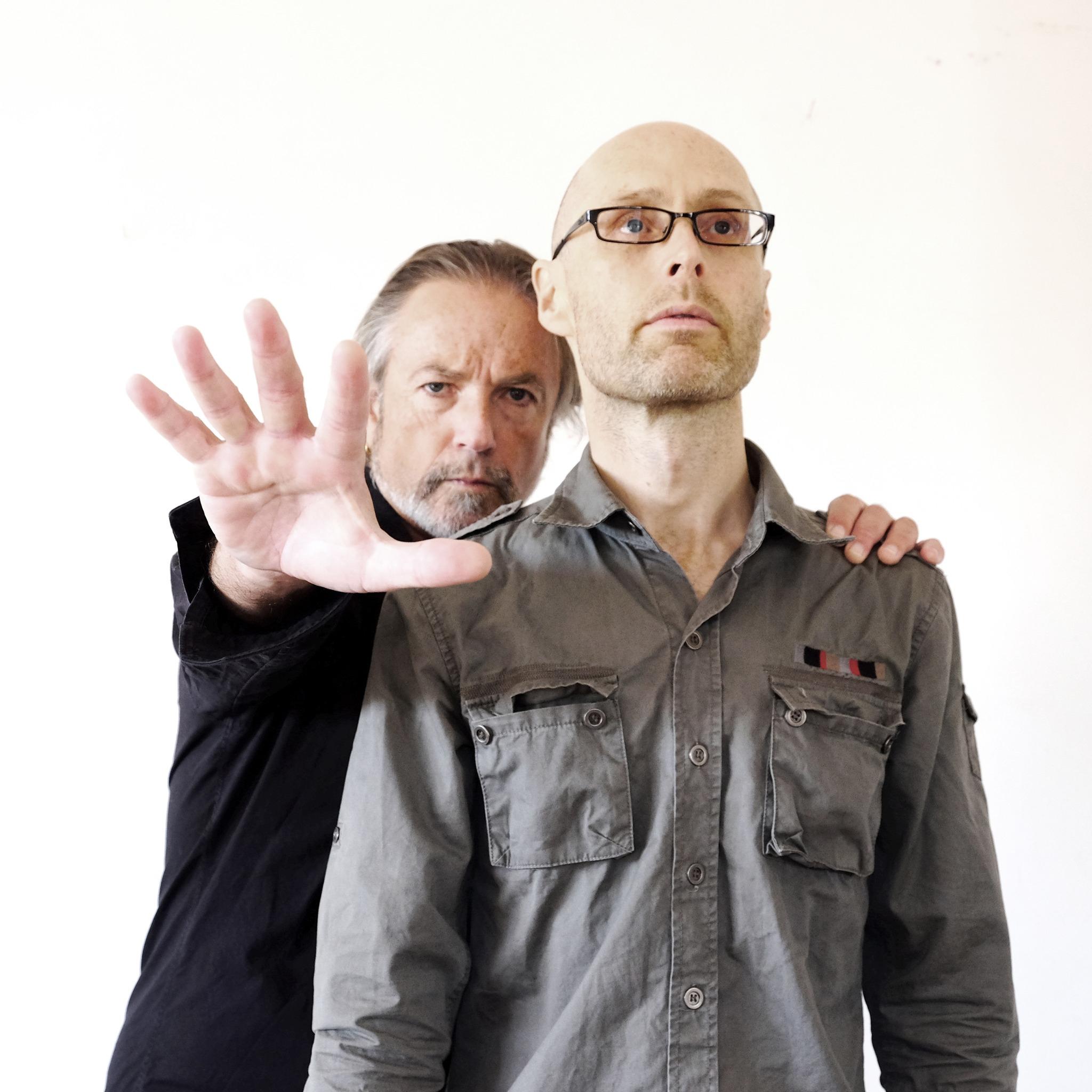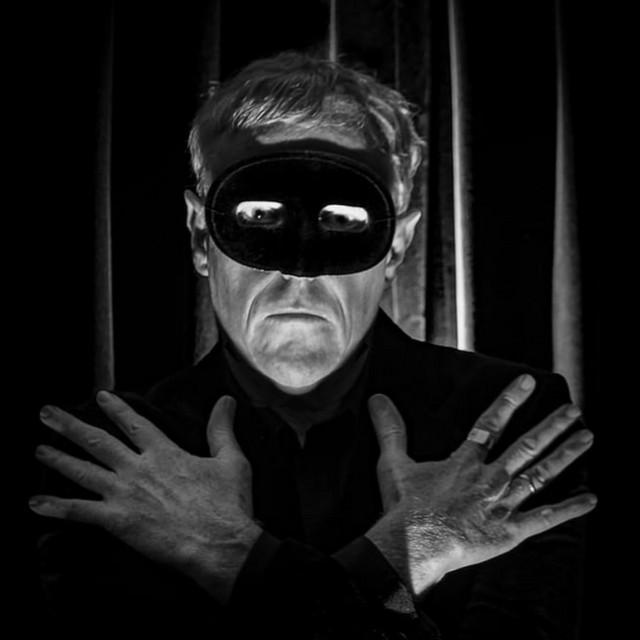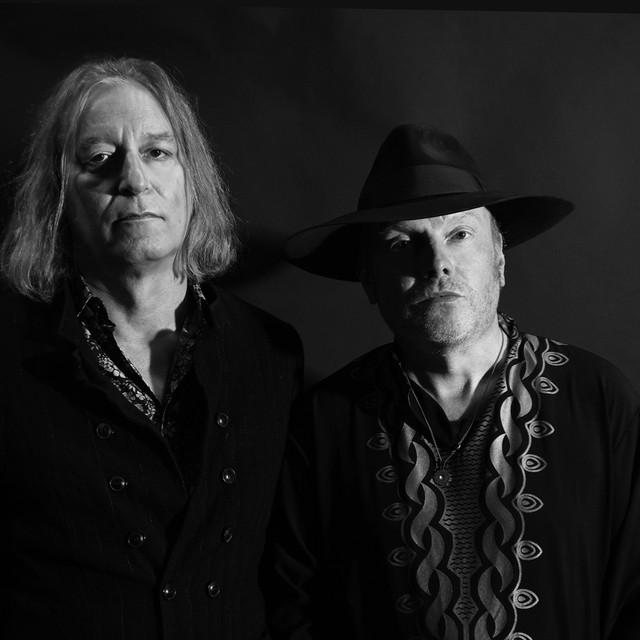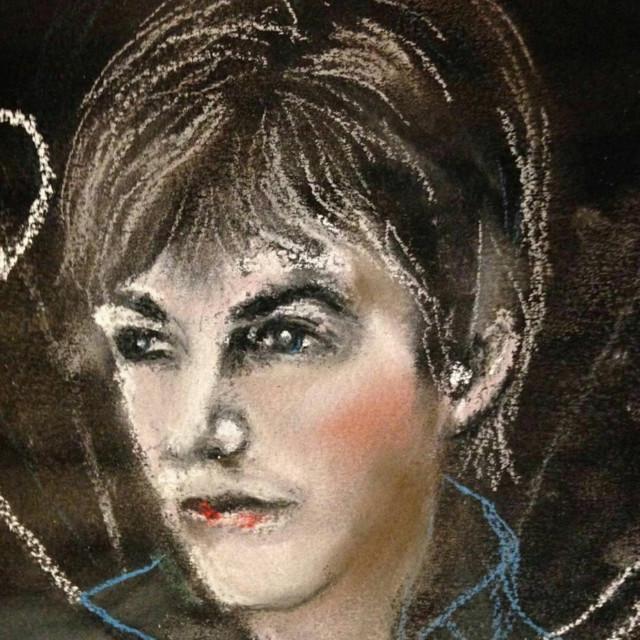
Steve Kilbey

Rock
Alternative Rock
Indie Rock
 Viberate Rank: 186422
 Viberate Rank: 186422
 Monthly ListenersFollowers
 Subscribers
 Followers
 Followers
 FansTop Spotify Songs
| Track | 7-Day Streams | |
|---|---|---|
1 | 400 | |
2 | 362 | |
3 | 252 | |
4 | 250 | |
5 | 250 |
Top YouTube VideosMonthly ListenersFeatured in Playlists| Playlist | Followers | |
|---|---|---|
1 |  Suits Soundtrack [All Seasons] Solitude Collective | 151.55K |
2 |  Soundtrack: Suits Gunnar Scott | 61.08K |
3 | mumble...mumble... | 40.11K |
4 | Suits OST Karim Hamia | 20.64K |
5 | Harvey Specter music bertjanh | 19.52K |
Audience| City | Monthly Listeners | |
|---|---|---|
1 | | 375 |
2 | | 369 |
3 | | 258 |
4 |  | 166 |
5 | | 89 |
See full performance history, audience data, playlist activity, rankings, comparisons, and more in Viberate music analytics. Start with a free trial, then continue with a paid plan.
Steve Kilbey’s Spotify BioBest known as the lead singer/bassist of the Australian dream rock outfit the Church, Steve Kilbey is also an accomplished solo artist and writer. Drawing upon psychedelic rock, glam rock, and post-punk, Kilbey first emerged with the Church in the early '80s and gained worldwide fame with the band's sixth studio album, 1988's Starfish, which featured the classic hit single "Under the Milky Way." Along with his continued work with the Church, he has regularly issued solo albums like 1987's Unearthed, 1990's Remindlessness, and 2018's Sydney Rococo. He has also collaborated with All India Radio's Martin Kennedy on a handful of electronic albums, including 2011's White Magic and 2017's Glow and Fade. Along with publishing his 2014 autobiography, Something Quite Peculiar, Kilbey has written books of poetry and kept an ongoing blog, The Time Being.
Born Steven John Kilbey in 1954 in Welwyn Garden City, England, Kilbey moved with his family to Australia when he was three years old. There,… Kilbey settled in Wollongong, where his father was a foreman and his mother worked in an insurance office. As a child, Kilbey was first entranced by Frank Sinatra's late-'50s albums and he later discovered the Beatles and the Rolling Stones, as well as the glam rock of Marc Bolan and David Bowie. By his teens, Kilbey's family had moved to Canberra. It was during this period that he encountered his first live band at a school dance. Inspired, he bought a bass and soon joined a local covers band with whom he worked regularly and learned hundreds of songs. From there, he joined the rock outfit Precious Little, who also included future Church guitarist Peter Koppes on drums. Around 1974, Kilbey was working days as a computer programmer when he formed his first band, Baby Grande, with Koppes (who quickly left the group to join Limazine). With Baby Grande, Kilbey recorded several demos for EMI Australia, but they did not get signed. He also performed briefly as a member of the new wave band the Tactics.
In March 1980, Kilbey paired again with Koppes (and Limazine drummer Nick Ward) to form the Church, purportedly a shortened version of "The Church of Man." A month later, they met recently expatriated Liverpool-born guitarist Marty Willson-Piper after a gig and invited him to join the band. A demo they recorded in Kilbey's bedroom caught the attention of manager Chris Gilbey, who then signed the band to his production company, which was connected to EMI and Parlophone Records. In 1981, the Church released their debut album, the Gilbey-produced and Bob Clearmountain-mixed Of Skins and Heart. On the heels of the record's release, Ward was replaced by drummer Richard Ploog. Buoyed by the hit single "The Unguarded Moment," the album reached number 22 in Australia and went gold.
Following extensive touring, the band returned in 1982 with The Blurred Crusade. It was also during this period that they began drawing comparisons to the Byrds, especially with Willson-Piper's deft use of a 12-string Rickenbacker guitar -- similar to that of Byrds frontman Roger McGuinn. Despite the obvious comparisons, the Church's double-lead-guitar sound also touched upon '60s psychedelia and moody post-punk, and even found Kilbey weaving in elements of poetic mysticism with his lyrics. It was a sound the group would champion over four more albums including 1983's Seance, 1984's Remote Luxury, and 1986's Heyday, all of which reached the Top 20 on the Australian charts and helped build a core fan base in the States.
Away from the Church, Kilbey made his solo debut in 1986 with Unearthed. Recorded at his home in Sydney, Unearthed was somewhat looser than his work with his band at the time, and found him utilizing a drum machine and overlaying guitar and keyboard parts with the help of his then-girlfriend Karin Jansson (Pink Champagne and Curious (Yellow)), and his brother Russell Kilbey. Nonetheless, it had a folkie, surrealistic charm that prefigured much of the singer's future projects. Several more solo efforts followed, including 1987's proggy instrumental album Earthed (which also came with a book of Kilbey's poetry) and 1987's gothy, psych-rock-infused The Slow Crack.
In 1988, Kilbey and the Church achieved worldwide success with their seventh album, Starfish. Recorded in Los Angeles with producer Waddy Wachtel (Fleetwood Mac, Randy Newman, James Taylor), the process was purportedly a difficult one, with the band feeling alienated and out of place. Nonetheless, out of the sessions came the break-out single "Under the Milky Way." Co-written by Kilbey and Karin Jansson, it hit the Top 25 in Australia, New Zealand, and the United States, and earned the Aria Award for Single of the Year. It also helped take Starfish to gold certification status, landing them in the Top Ten in Australia and the Top 50 in the States. Largely considered the group's biggest hit, "Under the Milky Way" has continued to garner attention, being featured prominently on the Donnie Darko soundtrack in 2001 and covered often, including by Sia in 2009.
Kilbey's home experimentation with four-track recording continued on his fourth solo album, 1990's Remindlessness. Released the same year as the Church's Gold Afternoon Fix, the album featured a slicker, more fleshed-out sound than his previous solo records. Following a tour with the Church, Kilbey joined fellow Australian singer/songwriter and Go-Betweens leader Grant McLennan in the side project Jack Frost. It was during these sessions that Kilbey reportedly first began using heroin, an addiction that would grow over the next decade and ultimately find him getting arrested on a drug charge in New York City in 1999. Despite his drug dependency, Kilbey managed to continue recording during these years, issuing solo albums like 1997's Gilt Trip. He stayed busy with the Church as well, releasing a bevy of increasingly ambitious albums like 1992's Priest = Aura, 1996's Magician Among the Spirits, and 1998's Hologram of Baal. He also became a father during these years, with Jansson giving birth to their twin daughters, Elektra and Miranda, who later formed the Swedish dream pop duo Say Lou Lou.
Following various interventions, Kilbey finally overcame his heroin addiction in the early 2000s with the use of methadone. He returned to recording with a vengeance, releasing 2002's After Everything Now This with the Church and his 2003 solo album, Freaky Conclusions. A bevy of Church albums followed, including 2002's Parallel Universe, 2003's Forget Yourself, the 2005 acoustic date El Momento Descuidado, and 2006's Uninvited, Like the Clouds. His 2008 solo production Painkiller included contributions by longtime Church drummer Tim Powles, steel guitarist Graham Lee, and Grammy Award-winning studio maven William Bowden. He then rejoined the Church for 2009's Untitled #23.
In 2012, Kilbey briefly left the Church over a royalty dispute with the band's North American record label, Second Motion Records. He had already formed a creative partnership with All India Radio's Martin Kennedy dubbed Kilbey Kennedy. Together, they collaborated on a series of expansive electro-psychedelic albums including 2011's White Magic, 2015's Inside We Are the Same, and 2017's Glow and Fade. Along the way, he returned to his work with the Church, issuing 2014's Further/Deeper, the band's first album without Willson-Piper, who had been replaced in 2013 by former Powderfinger guitarist Ian Haug. Kilbey also published his autobiography, Something Quite Peculiar, in 2014. The Church's 25th studio album, Man Woman Life Death Infinity, arrived in 2017. The following year, he issued the lushly produced solo album Sydney Rococo. Working as a trio, Kilbey, and singer/songwriters Sean Sennett and singer Kate Ceberano recorded the collaborative 2020 album The Dangerous Age. Later that year, he delivered another solo album, the home-recorded Eleven Women, which was captured in just three days. ~ Matt Collar, Rovi
Viberate is a music analytics platform built for A&Rs, artist managers, labels, booking agents, marketers, and artists.
It helps music professionals track artist growth, analyze audience data, monitor playlist activity, compare artists, follow song performance, and identify opportunities across the music market.
Public artist pages provide a free preview of selected artist data. Paid plans provide access to deeper analytics, historical data, charts, comparisons, playlist tools, exports, alerts, reports, and additional professional features.
Yes. Public Viberate artist pages provide selected artist analytics and music data for free.
Viberate also offers a 7-day free trial of the full platform. A credit card is required to start the trial. The trial includes access to the complete product so users can test deeper artist analytics, historical views, playlist insights, comparisons, charts, exports, alerts, and reporting features before choosing a paid plan.
Viberate provides artist analytics across streaming, playlists, social media, video, radio airplay, songs, and audience markets.
Users can analyze Spotify performance, Spotify and Apple Music playlists, YouTube activity, TikTok and Instagram growth, radio spins, song performance, audience locations, demographics, rankings, and overall artist momentum.
Artist profiles also connect to music charts, similar artists, and comparison tools, helping users benchmark performance and evaluate artists in context.
Viberate updates key artist and track data daily.
For followed artists and tracks, selected data is refreshed multiple times per day. This helps teams monitor playlist changes, streaming movement, audience growth, releases, and campaign performance with more current data.
Update frequency can vary depending on the metric and data source.
Yes. Viberate lets users compare up to five artists side by side across streaming, social media, audience, and engagement metrics.
Users can compare fanbase growth, audience demographics, locations, Spotify performance, social metrics, and other artist data over selected time periods.
Artist comparison can be used for A&R scouting, benchmarking, booking decisions, campaign planning, and evaluating artists with similar audiences or market positions.