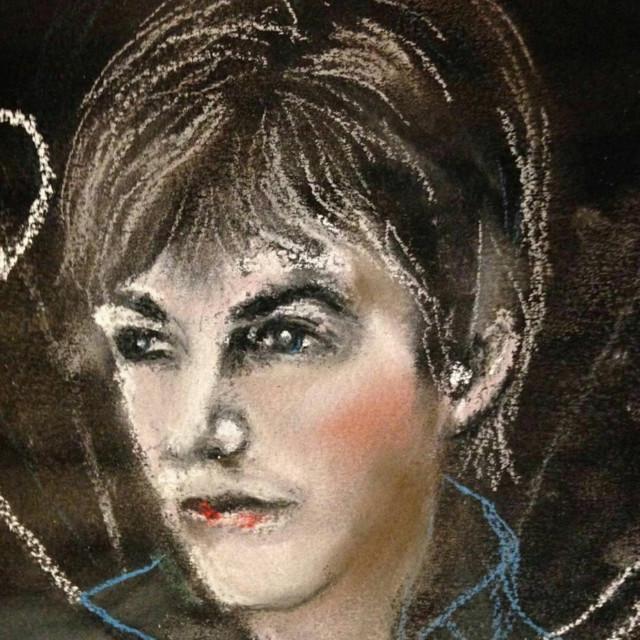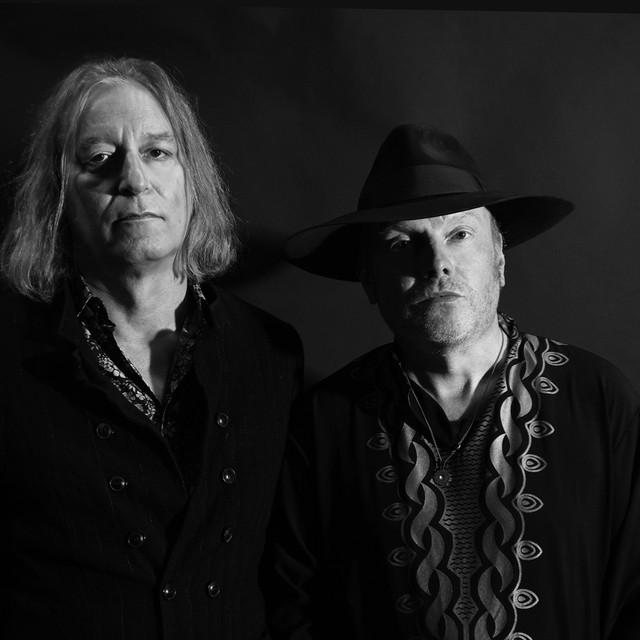
Luke Haines

Pop
Indie Pop
Alternative Rock
 Viberate Rank: 235166
 Viberate Rank: 235166
 Monthly ListenersFollowers
 Subscribers
 Followers
 Followers
 FansTop Spotify Songs
| Track | 7-Day Streams | |
|---|---|---|
1 | 483 | |
2 | 131 | |
3 | 93 | |
4 | 82 | |
5 | 68 |
Top YouTube VideosMonthly ListenersFeatured in Playlists| Playlist | Followers | |
|---|---|---|
1 |  Fidi & Bumsi Spotify | 353.23K |
2 |  Jarvis Cocker's Sunday Service Anders Björk | 5.09K |
3 |  Les Inrockuptibles 2025 Les Inrockuptibles | 4.42K |
4 |  BEST OF GLITTER GLAM ROCK Crayon Jones | 4.09K |
5 | Tidenes beste sommerlåter geireff | 3.30K |
Audience| City | Monthly Listeners | |
|---|---|---|
1 | | 155 |
2 | | 51 |
3 | | 38 |
4 |  | 37 |
5 |  | 33 |
See full performance history, audience data, playlist activity, rankings, comparisons, and more in Viberate music analytics. Start with a free trial, then continue with a paid plan.
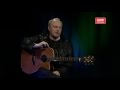
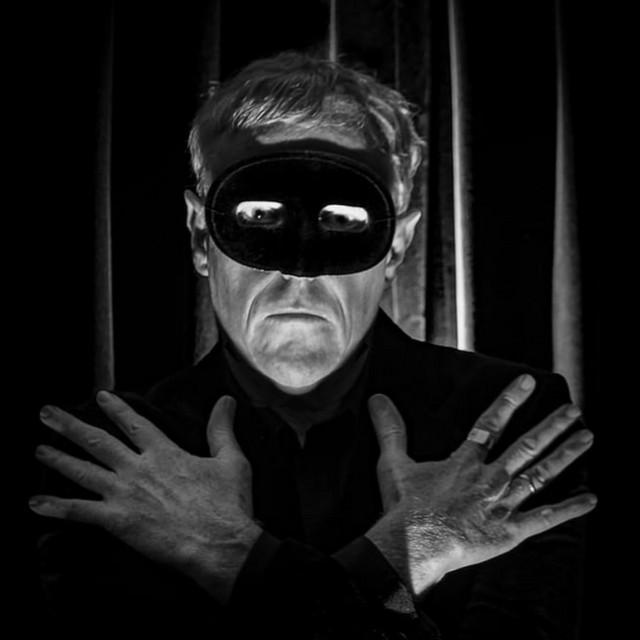
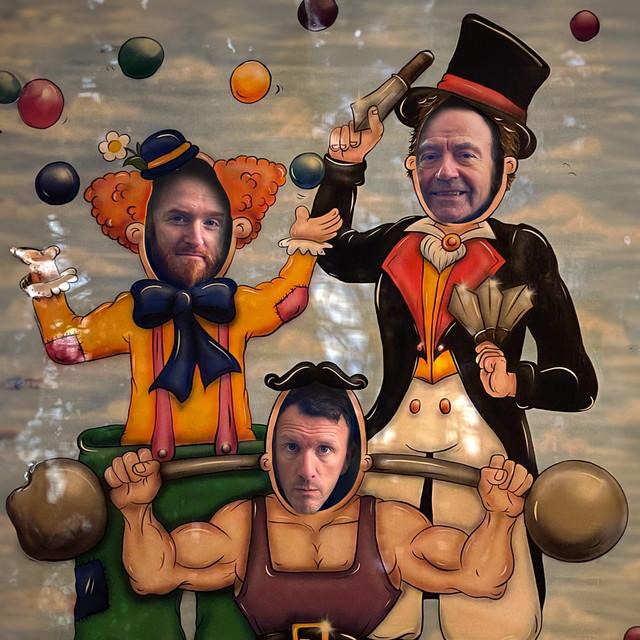
Luke Haines’ Spotify BioOne of the sharpest and most prolific British songwriters of his generation, Luke Haines -- who began modestly enough in a string of obscure '80s bands, including the Servants -- helmed the glam noir of the Auteurs, the broken funk of Baader Meinhof, and the (mostly) downbeat pop of Black Box Recorder, in addition to releasing material under his own name. During the last seven years of the '90s, Haines issued six albums that ranged from fine to spectacular, from the Mercury Prize-nominated New Wave (1993) to the sleek, bleak How I Learned to Love the Bootboys (1999). After the release of Black Box Recorder's second album, 2000's The Facts of Life (the title track hit the upper reaches of the U.K. singles chart), Haines embarked on a prolific and predictably esoteric solo career, averaging a full-length release per year. The majority of his LPs were concept albums, applying his caustic wit to a wide spectrum of styles and subject matters that included tall tales of Dickensian villainy… (Oliver Twist Manifesto), the heyday of British wrestling (9 1/2 Psychedelic Meditations on British Wrestling of the 1970s and Early '80s), Atomic Age ephemera (British Nuclear Bunkers), post-Brexit unease (Setting the Dogs on the Post-Punk Postman), and a fever dream of drug-fueled youth culture gone wrong (All the Kids Are Super Bummed Out).
Christie Malry's Own Double Entry and The Oliver Twist Manifesto were released within a couple months of each other in the middle of 2001 -- the former a soundtrack to the darkly comic film of the same name, and the latter a surprisingly effective fusion of Haines' typically snide and downcast melodies over springy hip-hop-oriented production. (The week the disc was released, Haines called for a week-long National Pop Strike, a period in which any musician could turn in his or her wares and receive amnesty for any and all "crimes" committed against pop.) Two years later, Haines sidestepped a typical best-of release with Das Capital, a set of Auteurs material recorded with orchestral backing. Luke Haines Is Dead (2005), however, summarized Haines' career up to that point across a wide span of three CDs containing highlights, B-sides, and radio sessions.
Haines' second proper solo album, Off My Rocker at the Art School Bop, came in 2006. A year later, he published Bad Vibes: Britpop and My Part in Its Downfall, a book that rankled former colleagues (he referred to Auteurs member James Banbury only as "the cellist") and longtime enemies alike. In 2012, Haines released the typically idiosyncratic (and self-explanatory) 9 1/2 Psychedelic Meditations on British Wrestling of the 1970s and Early '80s and the career overview Outsider/In: The Collection, followed in 2013 by the conceptual adult fairy tale Rock and Roll Animals and, a year later, by New York in the 70's, another ambitious concept album. In the summer of 2014, he collaborated on a theatrical piece with artist Scott King called Adventures in Dementia: A Micro Opera, whose story centered around a Mark E. Smith (lead singer of the Fall) impersonator's caravan holiday. The brief six-song soundtrack was released in January 2015, with the electronics-driven conceptual full-length British Nuclear Bunkers arriving that October. His sixth album in seven years, 2016's Smash the System found Haines ditching the conceptual architecture of past outings in favor of a more singles-oriented, though no less idiosyncratic, set of new material. In 2017, Haines released his first-ever solo career retrospective, Is Alive & Well & Living in Buenos Aires: Heavy Frenz the Soloanthology 2001-2017. 2018's I Sometimes Dream of Glue saw Haines returning to more narrative-driven material, delivering a surreal 14-song set about a rural English settlement populated by 2" tall mutants with a taste for solvents. For his next project, he joined forces with another cult hero, former R.E.M. guitarist Peter Buck, to write and record 2020's Beat Poetry for Survivalists. Buck also made a guest appearance on 2021's Setting the Dogs on the Post-Punk Postman, a set full of edgy wit that reflected the mood of post-Brexit, mid-lockdown Britain; Julian Barratt of the Mighty Boosh also appeared on the album. Haines and Buck teamed up again for 2022's All the Kids Are Super Bummed Out, an atmospheric meditation on the druggy aftermath of a previous generation's youth culture. The album included contributions from Scott McCaughey (the Young Fresh Fellows and the Minus 5), Linda Pitmon (Steve Wynn and the Baseball Project), and Lenny Kaye (the Patti Smith Group). ~ Andy Kellman, Rovi
Viberate is a music analytics platform built for A&Rs, artist managers, labels, booking agents, marketers, and artists.
It helps music professionals track artist growth, analyze audience data, monitor playlist activity, compare artists, follow song performance, and identify opportunities across the music market.
Public artist pages provide a free preview of selected artist data. Paid plans provide access to deeper analytics, historical data, charts, comparisons, playlist tools, exports, alerts, reports, and additional professional features.
Yes. Public Viberate artist pages provide selected artist analytics and music data for free.
Viberate also offers a 7-day free trial of the full platform. A credit card is required to start the trial. The trial includes access to the complete product so users can test deeper artist analytics, historical views, playlist insights, comparisons, charts, exports, alerts, and reporting features before choosing a paid plan.
Viberate provides artist analytics across streaming, playlists, social media, video, radio airplay, songs, and audience markets.
Users can analyze Spotify performance, Spotify and Apple Music playlists, YouTube activity, TikTok and Instagram growth, radio spins, song performance, audience locations, demographics, rankings, and overall artist momentum.
Artist profiles also connect to music charts, similar artists, and comparison tools, helping users benchmark performance and evaluate artists in context.
Viberate updates key artist and track data daily.
For followed artists and tracks, selected data is refreshed multiple times per day. This helps teams monitor playlist changes, streaming movement, audience growth, releases, and campaign performance with more current data.
Update frequency can vary depending on the metric and data source.
Yes. Viberate lets users compare up to five artists side by side across streaming, social media, audience, and engagement metrics.
Users can compare fanbase growth, audience demographics, locations, Spotify performance, social metrics, and other artist data over selected time periods.
Artist comparison can be used for A&R scouting, benchmarking, booking decisions, campaign planning, and evaluating artists with similar audiences or market positions.