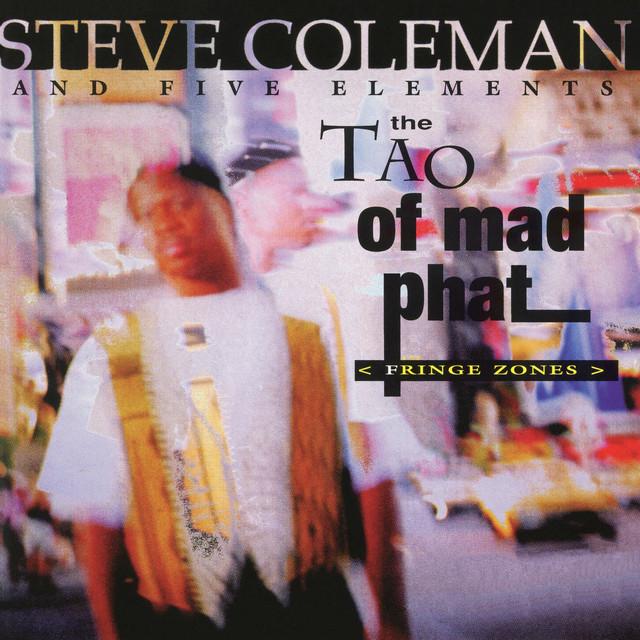
Steve Coleman and Five Elements

R&B
Contemporary R&B
Free Jazz
 Viberate Rank: 234094
 Viberate Rank: 234094
 Monthly ListenersFollowers
 Subscribers
 Followers
 Followers
 FansTop Spotify SongsTop YouTube VideosMonthly ListenersFeatured in Playlists
| Playlist | Followers | |
|---|---|---|
1 |  Jrapzz - Modern Jazz Trends H-MUSIC FR | 10.65K |
2 | Burning Jazz-rock Fusion fusionprogguy | 8.92K |
3 |  Deep Spiritual Jazz Neil Lampert | 7.31K |
4 |  Propaganda Live (Diego Bianchi Soundtrack) rubens mondi | 5.14K |
5 | Gilles Peterson 🔊 (BBC 6 Music) reacharound98 | 4.00K |
Audience| City | Monthly Listeners | |
|---|---|---|
1 |  | 87 |
2 |  | 60 |
3 |  | 32 |
4 |  | 24 |
5 |  | 24 |
See full performance history, audience data, playlist activity, rankings, comparisons, and more in Viberate music analytics. Start with a free trial, then continue with a paid plan.
Steve Coleman and Five Elements’ Spotify Biob. 20 September 1956, Chicago, Illinois, USA. Growing up surrounded by dance music - funk, rock, soul and blues - in Chicago’s south side gave Coleman a taste for rhythm he never lost. He learned violin in school, but abandoned it for the alto saxophone at the age of 15, playing in James Brown cover bands. At Illinois Wesleyan University he was the only black person in the music department, quite a shock for someone who says he ‘did not know any white people until he was 17 or something’. Told to improvise in his jazz band, he checked out his record collection to find that his father - a ‘Bird’ fanatic - had slipped in a Charlie Parker album. He learned the solos, just as he had Maceo Parker’s. Returning to Chicago he hooked up with Von Freeman, the legendary tenor player and pedagogue, learning the rudiments of bebop on the bandstand. He moved to New York in 1978 to join the Mel Lewis - Thad Jones Big Band, later playing in the Cecil Taylor Orchestra and Sam Rivers’ Winds Of Manhattan… group. Active and articulate, Coleman and kindred spirits - including singer Cassandra Wilson - formed M-Base, a self-help organization for black musicians, seeking to integrate all forms of black music into a new ecumenical style. M-Base refreshingly by-passed the John Coltrane / Michael Brecker style of the Berklee College Of Music mainstream for a quirky, electric jazz/funk with a dash of Thelonious Monk and harmolodics too.
Coleman has been hailed as the successor to Charlie Parker and attacked as a self-hyped mediocrity. Critics have favoured his work with Dave Holland’s group, playing relatively straight ahead bop, but Coleman claims to play the same style in his group Five Elements. He recorded prolifically during the 90s and 00s with his various ensembles, which include Renegade Way (with Greg Osby, Joe Lovano, Craig Handy, Kenny Davis, and Yoron Israel), the Mystic Rhythm Society, the Metrics, and the big band Council Of Balance, and became involved in musical exchanges with musicians from Cuba and Africa.
Viberate is a music analytics platform built for A&Rs, artist managers, labels, booking agents, marketers, and artists.
It helps music professionals track artist growth, analyze audience data, monitor playlist activity, compare artists, follow song performance, and identify opportunities across the music market.
Public artist pages provide a free preview of selected artist data. Paid plans provide access to deeper analytics, historical data, charts, comparisons, playlist tools, exports, alerts, reports, and additional professional features.
Yes. Public Viberate artist pages provide selected artist analytics and music data for free.
Viberate also offers a 7-day free trial of the full platform. A credit card is required to start the trial. The trial includes access to the complete product so users can test deeper artist analytics, historical views, playlist insights, comparisons, charts, exports, alerts, and reporting features before choosing a paid plan.
Viberate provides artist analytics across streaming, playlists, social media, video, radio airplay, songs, and audience markets.
Users can analyze Spotify performance, Spotify and Apple Music playlists, YouTube activity, TikTok and Instagram growth, radio spins, song performance, audience locations, demographics, rankings, and overall artist momentum.
Artist profiles also connect to music charts, similar artists, and comparison tools, helping users benchmark performance and evaluate artists in context.
Viberate updates key artist and track data daily.
For followed artists and tracks, selected data is refreshed multiple times per day. This helps teams monitor playlist changes, streaming movement, audience growth, releases, and campaign performance with more current data.
Update frequency can vary depending on the metric and data source.
Yes. Viberate lets users compare up to five artists side by side across streaming, social media, audience, and engagement metrics.
Users can compare fanbase growth, audience demographics, locations, Spotify performance, social metrics, and other artist data over selected time periods.
Artist comparison can be used for A&R scouting, benchmarking, booking decisions, campaign planning, and evaluating artists with similar audiences or market positions.