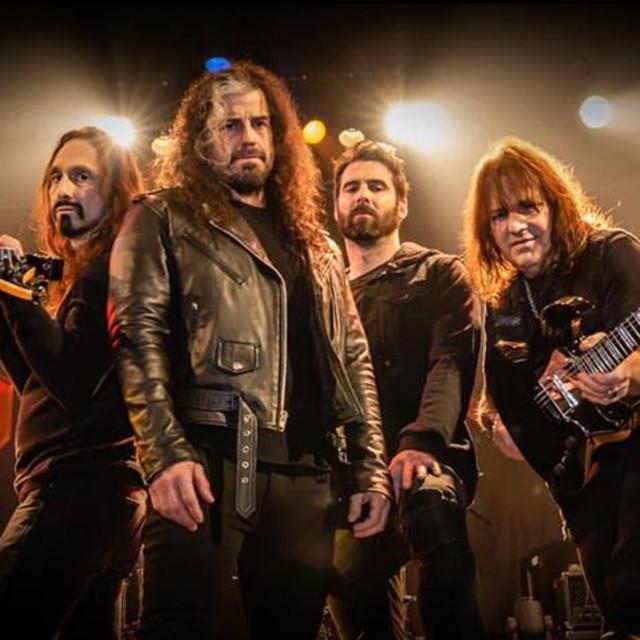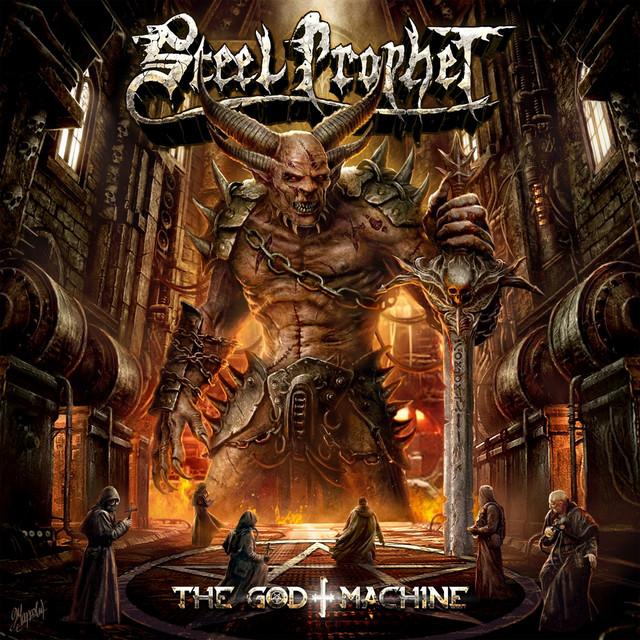
Steel Prophet

Metal
Power Metal
 Viberate Rank: 289720
 Viberate Rank: 289720
 Monthly ListenersFollowers
 Subscribers
 Followers
 Followers
 FansTop Spotify Songs
| Track | 7-Day Streams | |
|---|---|---|
1 | 300 | |
2 | 299 | |
3 | 261 | |
4 | 239 | |
5 | 132 |
Top YouTube VideosMonthly ListenersFeatured in Playlists| Playlist | Followers | |
|---|---|---|
1 | migueljusan | 7.67K |
2 |  Power Metal / Speed Metal Subterranean Steel | 6.70K |
3 | Metal Covers Pop 1237046975 | 4.81K |
4 |  WRECKFEST Soundtrack - Metal & Rock Moinzon | 3.43K |
5 |  Black Sabbath Tributes & Covers Júlio Costa | 2.98K |
Audience| City | Monthly Listeners | |
|---|---|---|
1 |  | 96 |
2 |  | 90 |
3 |  | 54 |
4 |  | 50 |
5 |  | 31 |
See full performance history, audience data, playlist activity, rankings, comparisons, and more in Viberate music analytics. Start with a free trial, then continue with a paid plan.
Steel Prophet’s Spotify BioThe psychedelia-tinged metal outfit Steel Prophet was formed in Connecticut in the late '80s by guitarist Steve Kachinsky Blakmoor and vocalist Gary Stocking; the original rhythm section featured bassist Wayne Faircloth and drummer Harry Blackwell, the son of jazz drummer Ed Blackwell. Blackwell soon departed owing to the poor quality of his drum kit and was replaced by John "J.T." Tarascio; Stocking, meanwhile, was kicked out after erratic, alcohol-fueled behavior. Blakmoor and Tarascio moved to California in 1988, where they recruited bassist Vince Dennis, vocalist Scott Lindsenbardt, and second guitarist Domenic Chavira. Lindsenbardt was soon given the boot in favor of ex-Ascendance singer Nick Mantis. Unfortunately, Mantis' drug problems led to his being replaced by Rick Mythiasin (who once spent several days as an early member of Pantera), while Chavira's place was taken by Jon Paget. Steel Prophet hit the studios to record a demo and gigged extensively around L.A. from 1990-1992,… after which Paget was replaced by Horacio Colmenares. The band signed a deal with the Foundations 2000 label; although they never released an album for the label, a demo titled The Goddess Principle was eventually issued in Europe in 1995. After a five-song EP in 1996, Continuum, both Tarascio and Colmenares left, with the latter going on to form New Eden. Their places were taken by drummer Pete Parada and guitarist Jon Pons, respectively. Into the Void (Hallucinogenic Conception) was released in 1997, after which Steel Prophet signed with Nuclear Blast. Their label debut, Dark Hallucinations, appeared in 1999, and the band toured Europe in support. Before the 2000 release of the follow-up, Messiah, Parada left, and Kevin Cafferty was recruited as a temporary studio replacement; Karl Rosqvist eventually joined as the full-time drummer. Pons also departed after the album's release and was replaced by Jim Williams. ~ Steve Huey, Rovi
Viberate is a music analytics platform built for A&Rs, artist managers, labels, booking agents, marketers, and artists.
It helps music professionals track artist growth, analyze audience data, monitor playlist activity, compare artists, follow song performance, and identify opportunities across the music market.
Public artist pages provide a free preview of selected artist data. Paid plans provide access to deeper analytics, historical data, charts, comparisons, playlist tools, exports, alerts, reports, and additional professional features.
Yes. Public Viberate artist pages provide selected artist analytics and music data for free.
Viberate also offers a 7-day free trial of the full platform. A credit card is required to start the trial. The trial includes access to the complete product so users can test deeper artist analytics, historical views, playlist insights, comparisons, charts, exports, alerts, and reporting features before choosing a paid plan.
Viberate provides artist analytics across streaming, playlists, social media, video, radio airplay, songs, and audience markets.
Users can analyze Spotify performance, Spotify and Apple Music playlists, YouTube activity, TikTok and Instagram growth, radio spins, song performance, audience locations, demographics, rankings, and overall artist momentum.
Artist profiles also connect to music charts, similar artists, and comparison tools, helping users benchmark performance and evaluate artists in context.
Viberate updates key artist and track data daily.
For followed artists and tracks, selected data is refreshed multiple times per day. This helps teams monitor playlist changes, streaming movement, audience growth, releases, and campaign performance with more current data.
Update frequency can vary depending on the metric and data source.
Yes. Viberate lets users compare up to five artists side by side across streaming, social media, audience, and engagement metrics.
Users can compare fanbase growth, audience demographics, locations, Spotify performance, social metrics, and other artist data over selected time periods.
Artist comparison can be used for A&R scouting, benchmarking, booking decisions, campaign planning, and evaluating artists with similar audiences or market positions.