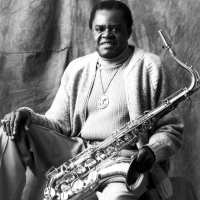
Stanley Turrentine

Jazz
Smooth Jazz
Bebop
 Viberate Rank: 65160
 Viberate Rank: 65160
 Monthly ListenersFollowers
 Subscribers
 Followers
 Followers
 FansTop Spotify Songs
| Track | 7-Day Streams | |
|---|---|---|
1 | 70.66K | |
2 | 31.63K | |
3 | 28.34K | |
4 | 14.15K | |
5 | 11.54K |
Top YouTube VideosMonthly ListenersFeatured in Playlists| Playlist | Followers | |
|---|---|---|
1 |  Jazz Classics Spotify | 5.08M |
2 |  Coffee Table Jazz Spotify | 2.67M |
3 |  Jazz Classics Blue Note Edition Spotify | 549.30K |
4 |  Jazz Noir Spotify | 349.57K |
5 |  Dark Academia Jazz Spotify | 282.77K |
Audience| City | Monthly Listeners | |
|---|---|---|
1 |  | 3.10K |
2 | | 2.90K |
3 | | 2.38K |
4 |  | 2.28K |
5 |  | 2.23K |
See full performance history, audience data, playlist activity, rankings, comparisons, and more in Viberate music analytics. Start with a free trial, then continue with a paid plan.
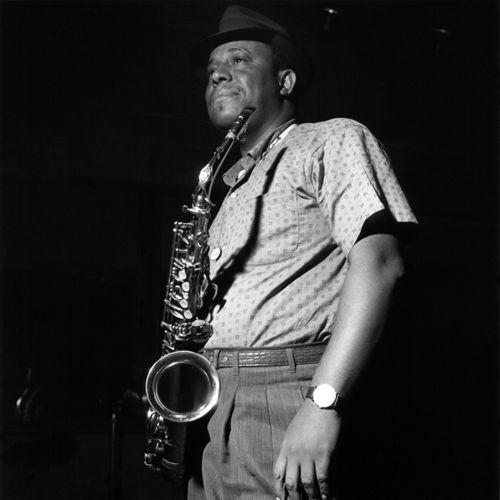
Stanley Turrentine’s Spotify BioA legend of the tenor saxophone, Stanley Turrentine was renowned for his distinctively thick, rippling tone, an earthy grounding in the blues, and his ability to work a groove with soul and imagination. Turrentine recorded in a wide variety of settings, but was best-known for his Blue Note soul-jazz jams of the '60s, and also underwent a popular fusion makeover in the early '70s. Born in Pittsburgh on April 5, 1934, Turrentine began his career playing with various blues and R&B bands, with a strong influence from Illinois Jacquet. He played in Lowell Fulson's band with Ray Charles from 1950-1951, and in 1953, he replaced John Coltrane in Earl Bostic's early R&B/jazz band. After a mid-'50s stint in the military, Turrentine joined Max Roach's band and subsequently met organist Shirley Scott, whom he married in 1960 and would record with frequently.
Upon moving to Philadelphia, Turrentine struck up a chemistry with another organist, Jimmy Smith, appearing on Smith's 1960 classics Back at… the Chicken Shack and Midnight Special, among others. Also in 1960, Turrentine began recording as a leader for Blue Note, concentrating chiefly on small-group soul-jazz on classics like That's Where It's At, but also working with the Three Sounds (on 1961's Blue Hour) and experimenting with larger ensemble settings in the mid-'60s. As the '70s dawned, Turrentine and Scott divorced and Turrentine became a popular linchpin of Creed Taylor's new, fusion-oriented CTI label; he recorded five albums, highlighted by Sugar, Salt Song, and Don't Mess With Mister T. While those commercially accessible efforts were artistically rewarding as well, critical opinion wasn't as kind to his late-'70s work for Fantasy; still, Turrentine continued to record prolifically, and returned to his trademark soul-jazz in the '80s and '90s. Turrentine passed away on September 12, 2000, following a massive stroke. ~ Steve Huey, Rovi
Viberate is a music analytics platform built for A&Rs, artist managers, labels, booking agents, marketers, and artists.
It helps music professionals track artist growth, analyze audience data, monitor playlist activity, compare artists, follow song performance, and identify opportunities across the music market.
Public artist pages provide a free preview of selected artist data. Paid plans provide access to deeper analytics, historical data, charts, comparisons, playlist tools, exports, alerts, reports, and additional professional features.
Yes. Public Viberate artist pages provide selected artist analytics and music data for free.
Viberate also offers a 7-day free trial of the full platform. A credit card is required to start the trial. The trial includes access to the complete product so users can test deeper artist analytics, historical views, playlist insights, comparisons, charts, exports, alerts, and reporting features before choosing a paid plan.
Viberate provides artist analytics across streaming, playlists, social media, video, radio airplay, songs, and audience markets.
Users can analyze Spotify performance, Spotify and Apple Music playlists, YouTube activity, TikTok and Instagram growth, radio spins, song performance, audience locations, demographics, rankings, and overall artist momentum.
Artist profiles also connect to music charts, similar artists, and comparison tools, helping users benchmark performance and evaluate artists in context.
Viberate updates key artist and track data daily.
For followed artists and tracks, selected data is refreshed multiple times per day. This helps teams monitor playlist changes, streaming movement, audience growth, releases, and campaign performance with more current data.
Update frequency can vary depending on the metric and data source.
Yes. Viberate lets users compare up to five artists side by side across streaming, social media, audience, and engagement metrics.
Users can compare fanbase growth, audience demographics, locations, Spotify performance, social metrics, and other artist data over selected time periods.
Artist comparison can be used for A&R scouting, benchmarking, booking decisions, campaign planning, and evaluating artists with similar audiences or market positions.