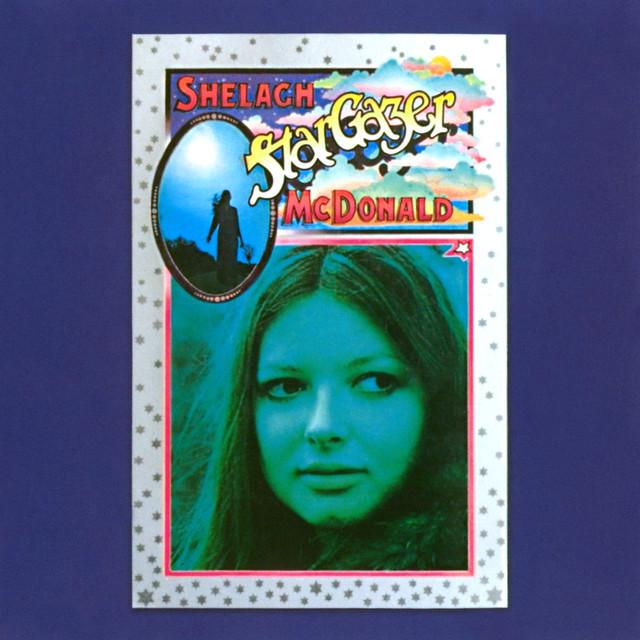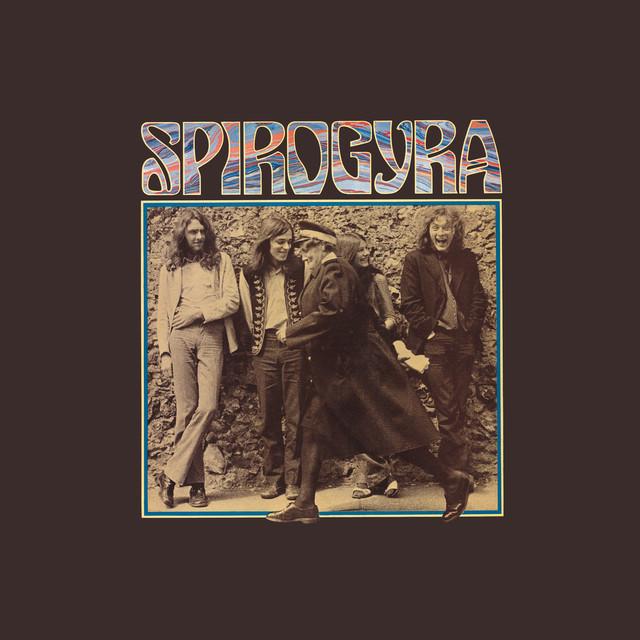
Spirogyra

Rock
Folk Rock
Progressive Rock
 Viberate Rank: 253095
 Viberate Rank: 253095
 Monthly ListenersFollowers
 Subscribers
 Followers
 Followers
 FansTop Spotify Songs
| Track | 7-Day Streams | |
|---|---|---|
1 | 1.78K | |
2 | 270 | |
3 | 234 | |
4 | 221 | |
5 | 154 |
Top YouTube Videos| Video | 7-Day Views | |
|---|---|---|
1 | 241 | |
2 | 194 | |
3 | 108 | |
4 | 105 | |
5 | 28 |
Monthly ListenersFeatured in Playlists| Playlist | Followers | |
|---|---|---|
1 | Unofficial Reverb Radio Jeff Ferruzzo | 21.82K |
2 | 60s Psychedelic Trip andreas1965-71 | 8.20K |
3 | Acid folk/Psychedelic folk Mikael Thomasson | 6.82K |
4 | The Psychedelic Folk Dream Spotify UK | 5.29K |
5 |  '60s-'70s occult rock and horror folk 🧿 dialectic ego death 🧿 | 4.33K |
Audience| City | Monthly Listeners | |
|---|---|---|
1 | | 104 |
2 |  | 45 |
3 |  | 41 |
4 | | 40 |
5 |  | 39 |
See full performance history, audience data, playlist activity, rankings, comparisons, and more in Viberate music analytics. Start with a free trial, then continue with a paid plan.
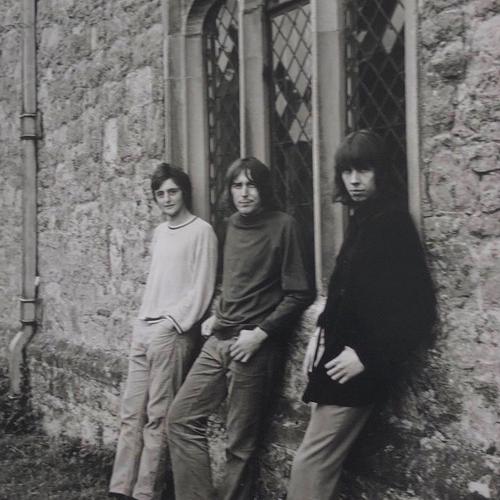
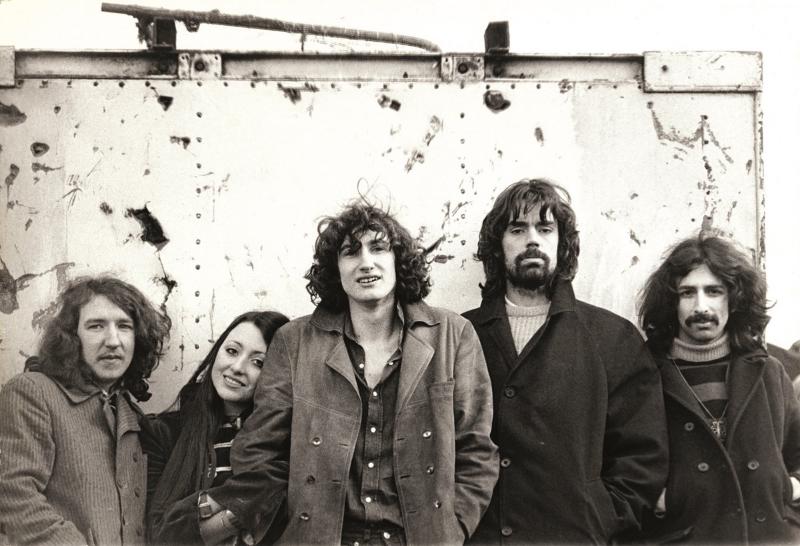
Spirogyra’s Spotify BioFormed in Canterbury, England in 1970, Spirogyra was one of a group of young progressive folk bands signed to B&C Records at the same time as Steeleye Span. The band was formed by writer Martin Cockerham, vocalist Barbara Gaskin, Julian Cusack and Steve Borrill. Dave Mattacks played drums on their debut album in 1971. The sound on St. Radigund’s and the follow-up Old Boot Wine was similar to early Strawbs but also drew on the progressive ideas of the Incredible String Band. The songs sounded whimsically English and Gaskin’s voice gave them a pure, unsullied air. The final Spirogyra album, 1973’s Bells, Boots And Shambles, was recorded by Cockerham and Gaskin alone. Gaskin went on to work with Hatfield And The North and enjoyed a surprise UK chart-topper in 1981, in partnership with Dave Stewart, with a cover version of Lesley Gore’s ‘It’s My Party’. (NB: Not to be confused with the US jazz rock group Spyro Gyra.)
Viberate is a music analytics platform built for A&Rs, artist managers, labels, booking agents, marketers, and artists.
It helps music professionals track artist growth, analyze audience data, monitor playlist activity, compare artists, follow song performance, and identify opportunities across the music market.
Public artist pages provide a free preview of selected artist data. Paid plans provide access to deeper analytics, historical data, charts, comparisons, playlist tools, exports, alerts, reports, and additional professional features.
Yes. Public Viberate artist pages provide selected artist analytics and music data for free.
Viberate also offers a 7-day free trial of the full platform. A credit card is required to start the trial. The trial includes access to the complete product so users can test deeper artist analytics, historical views, playlist insights, comparisons, charts, exports, alerts, and reporting features before choosing a paid plan.
Viberate provides artist analytics across streaming, playlists, social media, video, radio airplay, songs, and audience markets.
Users can analyze Spotify performance, Spotify and Apple Music playlists, YouTube activity, TikTok and Instagram growth, radio spins, song performance, audience locations, demographics, rankings, and overall artist momentum.
Artist profiles also connect to music charts, similar artists, and comparison tools, helping users benchmark performance and evaluate artists in context.
Viberate updates key artist and track data daily.
For followed artists and tracks, selected data is refreshed multiple times per day. This helps teams monitor playlist changes, streaming movement, audience growth, releases, and campaign performance with more current data.
Update frequency can vary depending on the metric and data source.
Yes. Viberate lets users compare up to five artists side by side across streaming, social media, audience, and engagement metrics.
Users can compare fanbase growth, audience demographics, locations, Spotify performance, social metrics, and other artist data over selected time periods.
Artist comparison can be used for A&R scouting, benchmarking, booking decisions, campaign planning, and evaluating artists with similar audiences or market positions.