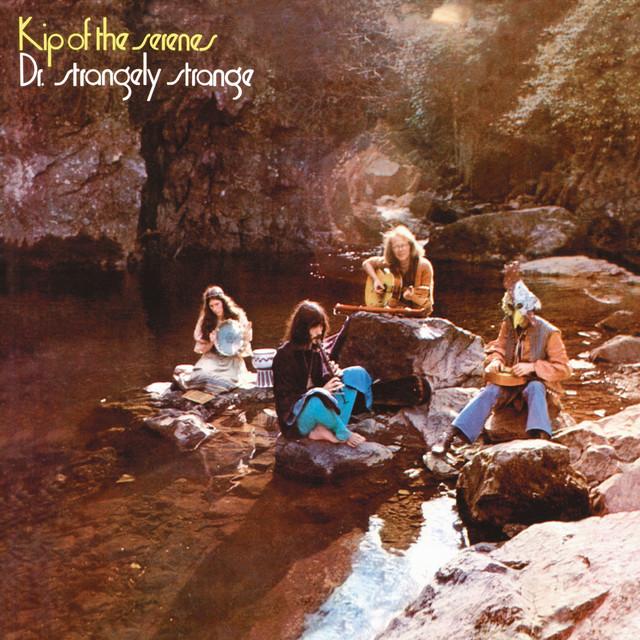
Dr. Strangely Strange

Rock
Psychedelic Rock
Folk Rock
 Viberate Rank: 392468
 Viberate Rank: 392468
 Monthly ListenersFollowers
 Subscribers
 Followers
 Followers
 FansTop Spotify Songs
| Track | 7-Day Streams | |
|---|---|---|
1 | 453 | |
2 | 66 | |
3 | 66 | |
4 | 43 | |
5 | 39 |
Top YouTube VideosMonthly ListenersFeatured in Playlists| Playlist | Followers | |
|---|---|---|
1 | 60s Psychedelic Trip andreas1965-71 | 8.21K |
2 | Acid folk/Psychedelic folk Mikael Thomasson | 6.82K |
3 |  Ipanema FM VIVE! Baú da 94.9 Eduardo Nunes | 4.94K |
4 |  Folk Horror Revival - Harvest Hymns. The Twisted Roots & Sweet Fruits of Folk Horror Music Jim Peters | 3.83K |
5 |  Stroom 〰 Spring Summer Stroom | 3.60K |
Audience| City | Monthly Listeners | |
|---|---|---|
1 |  | 84 |
2 | | 27 |
3 |  | 19 |
4 | | 18 |
5 | | 18 |
See full performance history, audience data, playlist activity, rankings, comparisons, and more in Viberate music analytics. Start with a free trial, then continue with a paid plan.
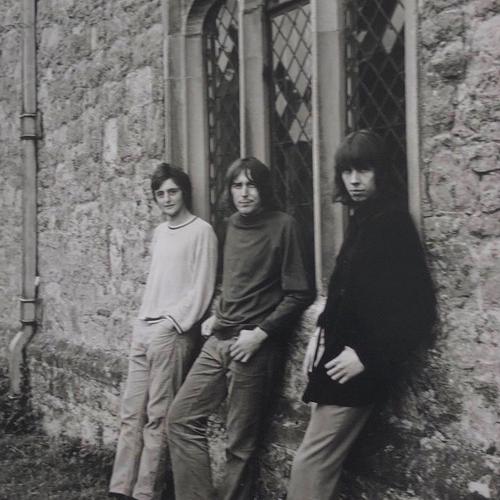
Dr. Strangely Strange’s Spotify BioAn experimental Irish folk group closely affiliated with the Incredible String Band, Dr. Strangely Strange was formed in Dublin in 1967 by vocalist/guitarist Tim Booth and bassist/keyboardist Ivan Pawle (vocals/bass/keyboards). Soon they teamed with multi-instrumentalist Tim Goulding, an aspiring painter, and began living and rehearsing in a house owned by Goulding's girlfriend, backing vocalist Orphan Annie (a.k.a. Annie Xmas), which its tenants nicknamed "The Orphanage." After signing with the Incredible String Band's producer and manager Joe Boyd, Dr. Strangely Strange debuted in 1969 with Kip of the Serenes. While on tour with Fotheringay, they enlisted drummer Neil Hopwood, and later in the year appeared on the String Band's Changing Horses LP. After 1970's Heavy Petting, Dr. Strangely Strange began falling apart: Goulding left to enter to a Buddhist monastery, while Pawle and Booth teamed with Gay and Terry Woods for a brief tour. The group soon disbanded, but they reunited in… 1973 for an Irish tour, and briefly reconvened again in the early '80s, Eventually Booth established a second Orphanage which became a springboard for a new generation of Irish rock, helping launch the careers of Thin Lizzy's Phil Lynott, Gary Moore and others. ~ Jason Ankeny, Rovi
Viberate is a music analytics platform built for A&Rs, artist managers, labels, booking agents, marketers, and artists.
It helps music professionals track artist growth, analyze audience data, monitor playlist activity, compare artists, follow song performance, and identify opportunities across the music market.
Public artist pages provide a free preview of selected artist data. Paid plans provide access to deeper analytics, historical data, charts, comparisons, playlist tools, exports, alerts, reports, and additional professional features.
Yes. Public Viberate artist pages provide selected artist analytics and music data for free.
Viberate also offers a 7-day free trial of the full platform. A credit card is required to start the trial. The trial includes access to the complete product so users can test deeper artist analytics, historical views, playlist insights, comparisons, charts, exports, alerts, and reporting features before choosing a paid plan.
Viberate provides artist analytics across streaming, playlists, social media, video, radio airplay, songs, and audience markets.
Users can analyze Spotify performance, Spotify and Apple Music playlists, YouTube activity, TikTok and Instagram growth, radio spins, song performance, audience locations, demographics, rankings, and overall artist momentum.
Artist profiles also connect to music charts, similar artists, and comparison tools, helping users benchmark performance and evaluate artists in context.
Viberate updates key artist and track data daily.
For followed artists and tracks, selected data is refreshed multiple times per day. This helps teams monitor playlist changes, streaming movement, audience growth, releases, and campaign performance with more current data.
Update frequency can vary depending on the metric and data source.
Yes. Viberate lets users compare up to five artists side by side across streaming, social media, audience, and engagement metrics.
Users can compare fanbase growth, audience demographics, locations, Spotify performance, social metrics, and other artist data over selected time periods.
Artist comparison can be used for A&R scouting, benchmarking, booking decisions, campaign planning, and evaluating artists with similar audiences or market positions.