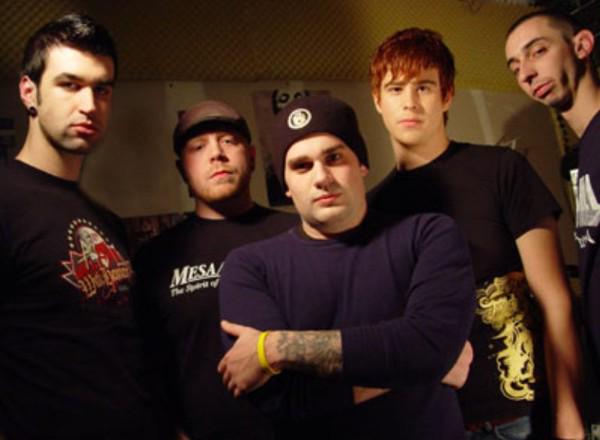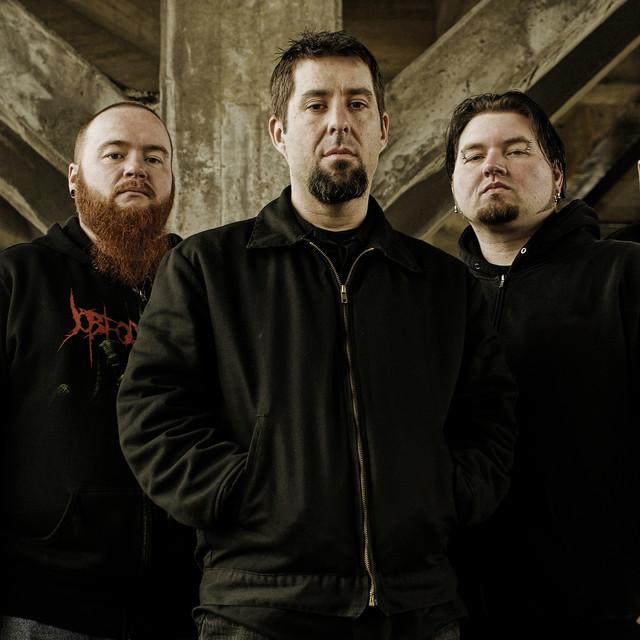
Soul Embraced

Metal
Metalcore/Deathcore
Death Metal
 Viberate Rank: 339285
 Viberate Rank: 339285
 Monthly ListenersFollowers
 Subscribers
 Followers
 Followers
 FansTop Spotify Songs
| Track | 7-Day Streams | |
|---|---|---|
1 | 252 | |
2 | 153 | |
3 | 84 | |
4 | 76 | |
5 | 69 |
Top YouTube Videos| Video | 7-Day Views | |
|---|---|---|
1 | 8 |
Monthly ListenersFeatured in Playlists| Playlist | Followers | |
|---|---|---|
1 |  Christian Metal! 777 Rasmus Rasmussen | 9.41K |
2 |  Aggretsuko Metal Soundtrack The Joshing One | 7.03K |
3 |  Nu metal Aggro metal ADT LABEL | 3.87K |
4 |  Gaming Metal Martin Rognes Røsnes | 2.86K |
5 | DEATH METAL/GRINDCORE/BLACK METAL/DOOM DEATH ++ Tokes | 2.81K |
Audience| City | Monthly Listeners | |
|---|---|---|
1 |  | 20 |
2 | | 19 |
3 |  | 18 |
4 | | 17 |
5 | | 17 |
See full performance history, audience data, playlist activity, rankings, comparisons, and more in Viberate music analytics. Start with a free trial, then continue with a paid plan.
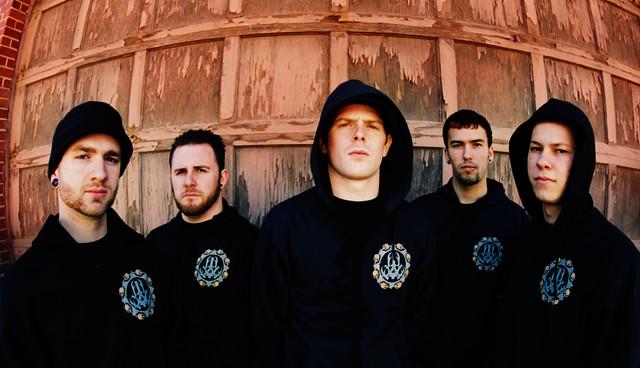
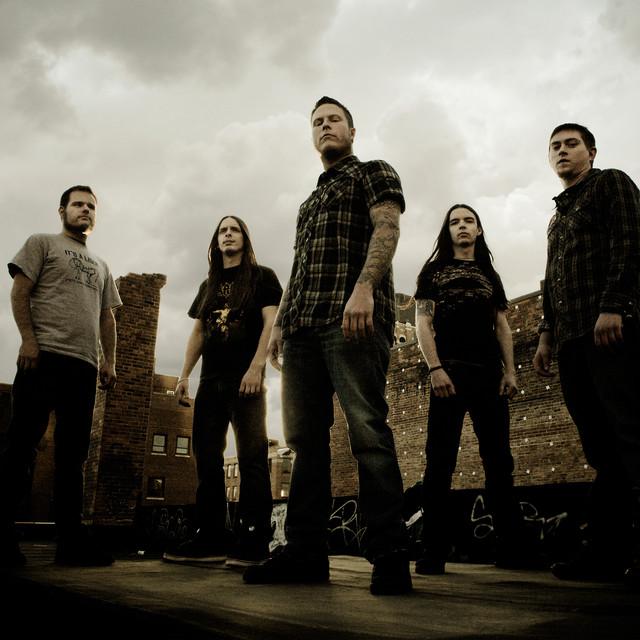
Soul Embraced’s Spotify BioSoul Embraced is the name of the project put together by Living Sacrifice members Lance Garvin and Rocky Gray as an outlet for the material that does not fit in with their other band. Soul Embraced is mostly about death metal, dropping the experimental nature of Living Sacrifice and going back to the sound they cultivated on their first few albums. The project began in 1997 as a time filler between albums for Gray and a friend of his. After donating a song to a compilation, they stayed apart until 1999, when they decided to draft Gray's brother-in-law, Chad Moore, to sing for them. They recorded a few songs with Gray drumming, and then started recording their debut album, 2000's For the Incomplete. They drafted Garvin in to drum for them, and released the album on a small independent label. Realizing that they wanted their music to be more available than it was, they moved the band to Solid State Records and recorded their next album, 2002's This Is My Blood. ~ Bradley Torreano, Rovi
Viberate is a music analytics platform built for A&Rs, artist managers, labels, booking agents, marketers, and artists.
It helps music professionals track artist growth, analyze audience data, monitor playlist activity, compare artists, follow song performance, and identify opportunities across the music market.
Public artist pages provide a free preview of selected artist data. Paid plans provide access to deeper analytics, historical data, charts, comparisons, playlist tools, exports, alerts, reports, and additional professional features.
Yes. Public Viberate artist pages provide selected artist analytics and music data for free.
Viberate also offers a 7-day free trial of the full platform. A credit card is required to start the trial. The trial includes access to the complete product so users can test deeper artist analytics, historical views, playlist insights, comparisons, charts, exports, alerts, and reporting features before choosing a paid plan.
Viberate provides artist analytics across streaming, playlists, social media, video, radio airplay, songs, and audience markets.
Users can analyze Spotify performance, Spotify and Apple Music playlists, YouTube activity, TikTok and Instagram growth, radio spins, song performance, audience locations, demographics, rankings, and overall artist momentum.
Artist profiles also connect to music charts, similar artists, and comparison tools, helping users benchmark performance and evaluate artists in context.
Viberate updates key artist and track data daily.
For followed artists and tracks, selected data is refreshed multiple times per day. This helps teams monitor playlist changes, streaming movement, audience growth, releases, and campaign performance with more current data.
Update frequency can vary depending on the metric and data source.
Yes. Viberate lets users compare up to five artists side by side across streaming, social media, audience, and engagement metrics.
Users can compare fanbase growth, audience demographics, locations, Spotify performance, social metrics, and other artist data over selected time periods.
Artist comparison can be used for A&R scouting, benchmarking, booking decisions, campaign planning, and evaluating artists with similar audiences or market positions.