Sinai Beach

Metal
Metalcore/Deathcore
Groove Metal
 Viberate Rank: 360370
 Viberate Rank: 360370
 Monthly ListenersFollowers
 Subscribers
 Followers
 Followers
 FansTop Spotify Songs
| Track | 7-Day Streams | |
|---|---|---|
1 | 260 | |
2 | 198 | |
3 | 124 | |
4 | 103 | |
5 | 93 |
Top YouTube Videos| Video | 7-Day Views | |
|---|---|---|
1 | 235 |
Monthly ListenersFeatured in Playlists| Playlist | Followers | |
|---|---|---|
1 |  Christian Metalcore SHADRACK | 8.74K |
2 | actual good metalcore grave | 5.62K |
3 |  CHRISTCORE Ian Ng | 2.21K |
4 |  andylikesbreakdowns AMF | 1.48K |
Audience| City | Monthly Listeners | |
|---|---|---|
1 | | 60 |
2 | | 38 |
3 | | 29 |
4 | | 29 |
5 | | 29 |
See full performance history, audience data, playlist activity, rankings, comparisons, and more in Viberate music analytics. Start with a free trial, then continue with a paid plan.
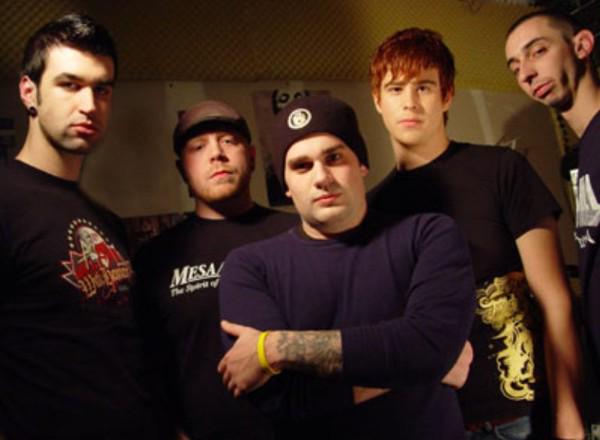
Sinai Beach’s Spotify BioHailing from southern California's fertile metalcore scene of the 2000s, Sinai Beach's initial entry into the crushing fray was their album When Breath Escapes, issued in March 2003 via Facedown. The guys -- vocalist CJ Alderson, drummer Mike Dunlap, guitarists Logan Lambert and Mike Risinger, and bassist Jeff Santo -- toured heavily for the next two years in support of the record, playing shows in both North America and Europe, and hooking up with bands like Bleeding Through, Throwdown, and Norma Jean along the way. They ultimately caught the attention of Victory Records, which signed Sinai Beach up in early 2005. Working with producer Eric Rachel (Atreyu, Dillinger Escape Plan), the band recorded its second full-length, Immersed -- which was released that April and exemplified the gang's love of groups like Pantera, Danzig, Hatebreed, and Slayer. Directly following Immersed's release, Risinger announced his resignation, and Sean Durham filled his shoes on guitar; bassist Santo was… later swapped out for Daniel Barachkov as well. When Breath Escapes was reissued with new cover art in the spring of 2006 by Victory, as the band readied material for its third album. ~ Corey Apar, Rovi
Viberate is a music analytics platform built for A&Rs, artist managers, labels, booking agents, marketers, and artists.
It helps music professionals track artist growth, analyze audience data, monitor playlist activity, compare artists, follow song performance, and identify opportunities across the music market.
Public artist pages provide a free preview of selected artist data. Paid plans provide access to deeper analytics, historical data, charts, comparisons, playlist tools, exports, alerts, reports, and additional professional features.
Yes. Public Viberate artist pages provide selected artist analytics and music data for free.
Viberate also offers a 7-day free trial of the full platform. A credit card is required to start the trial. The trial includes access to the complete product so users can test deeper artist analytics, historical views, playlist insights, comparisons, charts, exports, alerts, and reporting features before choosing a paid plan.
Viberate provides artist analytics across streaming, playlists, social media, video, radio airplay, songs, and audience markets.
Users can analyze Spotify performance, Spotify and Apple Music playlists, YouTube activity, TikTok and Instagram growth, radio spins, song performance, audience locations, demographics, rankings, and overall artist momentum.
Artist profiles also connect to music charts, similar artists, and comparison tools, helping users benchmark performance and evaluate artists in context.
Viberate updates key artist and track data daily.
For followed artists and tracks, selected data is refreshed multiple times per day. This helps teams monitor playlist changes, streaming movement, audience growth, releases, and campaign performance with more current data.
Update frequency can vary depending on the metric and data source.
Yes. Viberate lets users compare up to five artists side by side across streaming, social media, audience, and engagement metrics.
Users can compare fanbase growth, audience demographics, locations, Spotify performance, social metrics, and other artist data over selected time periods.
Artist comparison can be used for A&R scouting, benchmarking, booking decisions, campaign planning, and evaluating artists with similar audiences or market positions.