Solitude Aeturnus

Metal
Doom/Sludge Metal
 Viberate Rank: 147931
 Viberate Rank: 147931
 Monthly ListenersFollowers
 Subscribers
 Followers
 Followers
 FansTop Spotify Songs
| Track | 7-Day Streams | |
|---|---|---|
1 | 3.06K | |
2 | 2.15K | |
3 | 1.89K | |
4 | 1.19K | |
5 | 914 |
Top YouTube VideosMonthly ListenersFeatured in Playlists| Playlist | Followers | |
|---|---|---|
1 | Doom Metal Holger Ihrig | 60.08K |
2 |  Ultimate Doom Metal Loudwire | 45.65K |
3 |  FENRIZ METAL Gylve | 32.35K |
4 |  Reddit not all metal is insane noise & screaming dustbutt | 11.19K |
5 |  Old School Doom Metal. Szchizophrenia | 5.91K |
Audience| City | Monthly Listeners | |
|---|---|---|
1 |  | 372 |
2 |  | 261 |
3 |  | 233 |
4 |  | 188 |
5 |  | 186 |
See full performance history, audience data, playlist activity, rankings, comparisons, and more in Viberate music analytics. Start with a free trial, then continue with a paid plan.
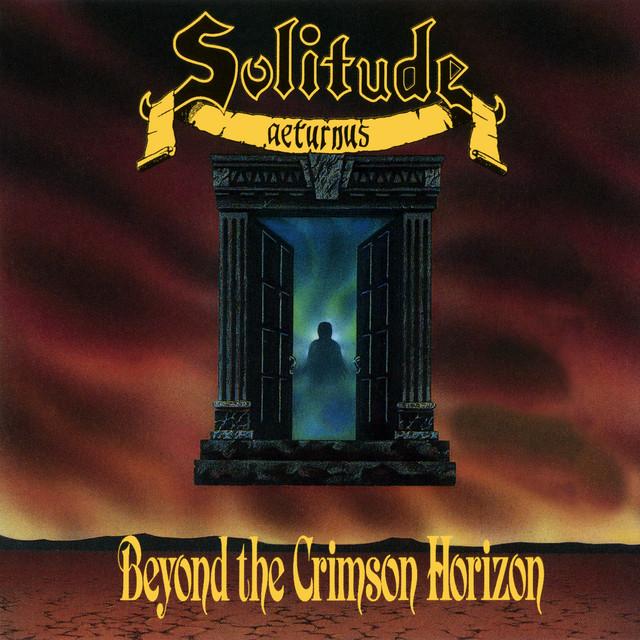
Solitude Aeturnus’ Spotify BioGetting their start under the name Solitude back in 1987, guitarist John Perez fronted Solitude Aeturnus' from the start as they were gigging around the Dallas, TX area before releasing their first full-length "Into the Depths of Sorrow" in 1991. Their label King Classic went belly up not too long after their debut was released, but not before Solitude got hooked up with Roadrunner Records the following year. 1992 saw their follow-up "Beyond the Crimson Horizon," which like their first record, had all the bleak elements of a quintessential doom metal band: heavy riffs, loud vocals, slow, thundering drums and doomsday's lyrics. Their third album "Through the Darkest Hour" being their major label debut on BMG records was followed by a European tour and a chance to tour with Merceful Fate -not to mention having the opportunity to hang with their hero and Merceful Fate frontman King Diamond. With "Downfall" being their forth and last album for BMG, 1999's "Adagio" was released by Olympic… Records after a three year hiatus of label searching and constant touring. ~ Wes Tumbell, Rovi
Viberate is a music analytics platform built for A&Rs, artist managers, labels, booking agents, marketers, and artists.
It helps music professionals track artist growth, analyze audience data, monitor playlist activity, compare artists, follow song performance, and identify opportunities across the music market.
Public artist pages provide a free preview of selected artist data. Paid plans provide access to deeper analytics, historical data, charts, comparisons, playlist tools, exports, alerts, reports, and additional professional features.
Yes. Public Viberate artist pages provide selected artist analytics and music data for free.
Viberate also offers a 7-day free trial of the full platform. A credit card is required to start the trial. The trial includes access to the complete product so users can test deeper artist analytics, historical views, playlist insights, comparisons, charts, exports, alerts, and reporting features before choosing a paid plan.
Viberate provides artist analytics across streaming, playlists, social media, video, radio airplay, songs, and audience markets.
Users can analyze Spotify performance, Spotify and Apple Music playlists, YouTube activity, TikTok and Instagram growth, radio spins, song performance, audience locations, demographics, rankings, and overall artist momentum.
Artist profiles also connect to music charts, similar artists, and comparison tools, helping users benchmark performance and evaluate artists in context.
Viberate updates key artist and track data daily.
For followed artists and tracks, selected data is refreshed multiple times per day. This helps teams monitor playlist changes, streaming movement, audience growth, releases, and campaign performance with more current data.
Update frequency can vary depending on the metric and data source.
Yes. Viberate lets users compare up to five artists side by side across streaming, social media, audience, and engagement metrics.
Users can compare fanbase growth, audience demographics, locations, Spotify performance, social metrics, and other artist data over selected time periods.
Artist comparison can be used for A&R scouting, benchmarking, booking decisions, campaign planning, and evaluating artists with similar audiences or market positions.