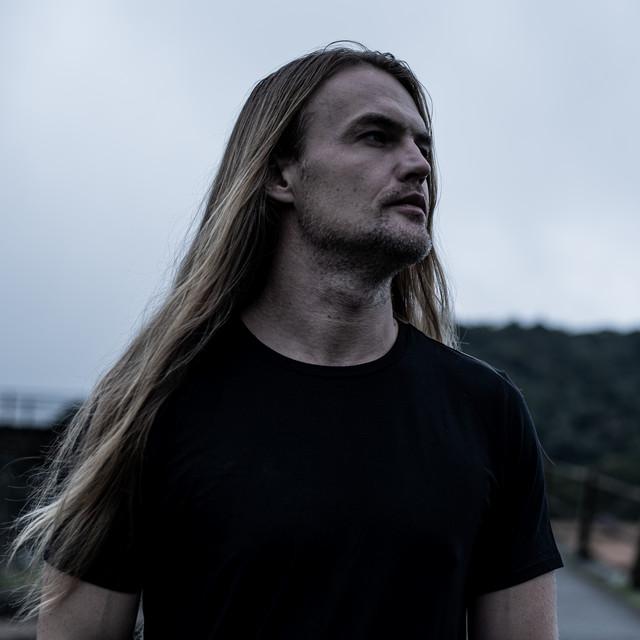
Soliloquium

Metal
Doom/Sludge Metal
Death Metal
 Viberate Rank: 223958
 Viberate Rank: 223958
 Monthly ListenersFollowers
 Subscribers
 Followers
 Followers
 FansTop Spotify Songs
| Track | 7-Day Streams | |
|---|---|---|
1 | 246 | |
2 | 167 | |
3 | 154 | |
4 | 122 | |
5 | 96 |
Top YouTube VideosMonthly ListenersFeatured in Playlists| Playlist | Followers | |
|---|---|---|
1 |  🌶️ To The Teeth | New Metal To The Teeth | 8.80K |
2 |  Funeral Doom Metal / Death Doom Sergio Tragedy | 3.85K |
3 |  Doom Metal / Death Doom / Dark Metal Johannes | 1.72K |
4 |  Melodic Death/Doom Metal Timo | 1.32K |
5 | 💀Melodic Deathmetal💀 Jan Tore Hylland | 1.00K |
Audience| City | Monthly Listeners | |
|---|---|---|
1 |  | 120 |
2 |  | 71 |
3 |  | 68 |
4 |  | 61 |
5 |  | 59 |
See full performance history, audience data, playlist activity, rankings, comparisons, and more in Viberate music analytics. Start with a free trial, then continue with a paid plan.
Soliloquium’s Spotify BioSoliloquium is a progressive death/doom metal band from Stockholm, Sweden formed in 2011. It originally started as a side-project to the death metal band Desolator. Stefan Nordström is the vocalist, guitarist and main songwriter. Jonas Bergkvist on bass, also from Desolator, is the other constant Soliloquium member. The first demo "When Silence Grows Venomous" was released in 2012. It was quickly followed by three-song EP "The Concept of Escape" in 2013. These were later re-released on the compilation Absence. The early Soliloquium releases were classic death/doom metal music, influenced by early Katatonia, Paradise Lost and October Tide.Time saw the band getting more experimental, incorporating elements from genres like shoegaze, post-rock and progressive rock. The band got signed and released debut full-length An Empty Frame in 2016 on U.S. label Transcending Records. The second album Contemplations came out in 2018. Third album Things We Leave Behind followed in 2020, mixed and… mastered by Jari Lindholm (Slumber, Enshine) and also featuring new session drummer Victor Parri (Isole, Valkyrja). The album is also the first Soliloquium album on renowned label Naturmacht Productions/Rain Without End Records. Soulsearching followed in 2022, and Famine in 2025, on new record label Meuse Music Records.
Viberate is a music analytics platform built for A&Rs, artist managers, labels, booking agents, marketers, and artists.
It helps music professionals track artist growth, analyze audience data, monitor playlist activity, compare artists, follow song performance, and identify opportunities across the music market.
Public artist pages provide a free preview of selected artist data. Paid plans provide access to deeper analytics, historical data, charts, comparisons, playlist tools, exports, alerts, reports, and additional professional features.
Yes. Public Viberate artist pages provide selected artist analytics and music data for free.
Viberate also offers a 7-day free trial of the full platform. A credit card is required to start the trial. The trial includes access to the complete product so users can test deeper artist analytics, historical views, playlist insights, comparisons, charts, exports, alerts, and reporting features before choosing a paid plan.
Viberate provides artist analytics across streaming, playlists, social media, video, radio airplay, songs, and audience markets.
Users can analyze Spotify performance, Spotify and Apple Music playlists, YouTube activity, TikTok and Instagram growth, radio spins, song performance, audience locations, demographics, rankings, and overall artist momentum.
Artist profiles also connect to music charts, similar artists, and comparison tools, helping users benchmark performance and evaluate artists in context.
Viberate updates key artist and track data daily.
For followed artists and tracks, selected data is refreshed multiple times per day. This helps teams monitor playlist changes, streaming movement, audience growth, releases, and campaign performance with more current data.
Update frequency can vary depending on the metric and data source.
Yes. Viberate lets users compare up to five artists side by side across streaming, social media, audience, and engagement metrics.
Users can compare fanbase growth, audience demographics, locations, Spotify performance, social metrics, and other artist data over selected time periods.
Artist comparison can be used for A&R scouting, benchmarking, booking decisions, campaign planning, and evaluating artists with similar audiences or market positions.