Inborn Suffering

Metal
Doom/Sludge Metal
Death Metal
 Viberate Rank: 396859
 Viberate Rank: 396859
 Monthly ListenersFollowers
 Subscribers
 Followers
 Followers
 FansTop Spotify Songs
| Track | 7-Day Streams | |
|---|---|---|
1 | 40 | |
2 | 35 | |
3 | 34 | |
4 | 32 | |
5 | 27 |
Top YouTube VideosMonthly ListenersFeatured in Playlists| Playlist | Followers | |
|---|---|---|
1 |  Gothic / Dark / Doom Metal x505Metalheadx | 5.38K |
2 |  Doom Metal Radio playlist Solitude Productions | 4.88K |
3 |  Destructive Albums emrek | 3.42K |
4 |  depressive doom lllG | 2.54K |
5 |  The Sound of Funeral Doom The Sounds of Spotify | 2.01K |
Audience| City | Monthly Listeners | |
|---|---|---|
1 |  | 10 |
2 |  | 6 |
3 | | 6 |
4 |  | 5 |
5 |  | 5 |
See full performance history, audience data, playlist activity, rankings, comparisons, and more in Viberate music analytics. Start with a free trial, then continue with a paid plan.
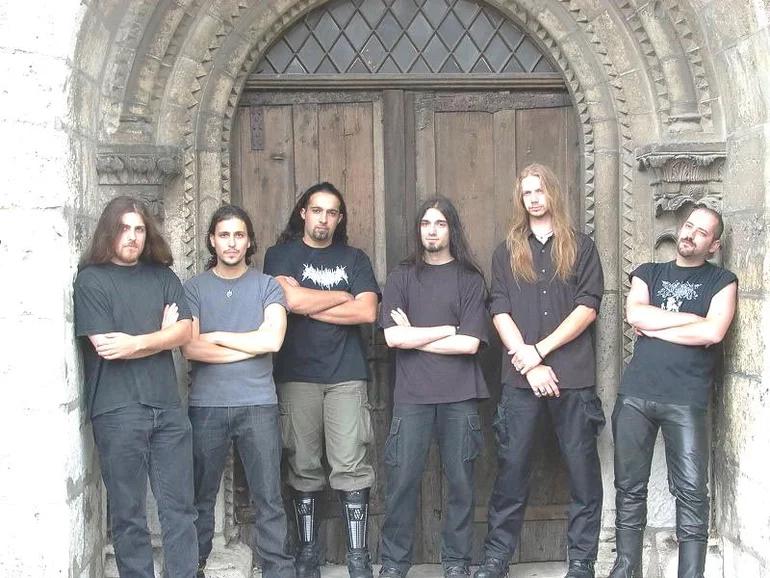
Inborn Suffering’s Spotify BioInborn Suffering is a French doom metal band formed in 2002 in Paris by guitarist Stéphane Peudupin, bassist Emmanuel Ribeiro, and drummer Thomas Rugolino. Known for their “Majestic Doom Death” style, their music blends heavy riffs, tragic melodies, and introspective lyrics. The original lineup included vocalist Frédéric Simon, keyboardist Sébastien Pierre, and guitarist Loïc Couretête. Their 2006 debut album, Wordless Hope, gained critical acclaim within the doom metal community for its atmospheric soundscapes and emotional depth, leading to live performances with notable bands like Swallow the Sun and Saturnus.
In 2008, lineup changes saw Simon replaced by Laurent Chaulet, Ribeiro by Mathilde Depernet, and Couretête departing. Their 2010 sophomore album, Regression to Nothingness, showcased more complex arrangements and atmospheric depth, solidifying their underground reputation. However, the band went on hiatus shortly after its release.
In 2021, discussions among members reignited… activity, with Ribeiro proposing a reunion and new material. This culminated in the 2024 release of their third album, Pale Grey Monochrome, a 57-minute opus of mournful melodic doom. Mixed and mastered by Déhà at Opus Magnum Studio, the album marked the band's signing with Ardua Music, symbolizing both a reconciliation among members and a revival of their musical journey.
Viberate is a music analytics platform built for A&Rs, artist managers, labels, booking agents, marketers, and artists.
It helps music professionals track artist growth, analyze audience data, monitor playlist activity, compare artists, follow song performance, and identify opportunities across the music market.
Public artist pages provide a free preview of selected artist data. Paid plans provide access to deeper analytics, historical data, charts, comparisons, playlist tools, exports, alerts, reports, and additional professional features.
Yes. Public Viberate artist pages provide selected artist analytics and music data for free.
Viberate also offers a 7-day free trial of the full platform. A credit card is required to start the trial. The trial includes access to the complete product so users can test deeper artist analytics, historical views, playlist insights, comparisons, charts, exports, alerts, and reporting features before choosing a paid plan.
Viberate provides artist analytics across streaming, playlists, social media, video, radio airplay, songs, and audience markets.
Users can analyze Spotify performance, Spotify and Apple Music playlists, YouTube activity, TikTok and Instagram growth, radio spins, song performance, audience locations, demographics, rankings, and overall artist momentum.
Artist profiles also connect to music charts, similar artists, and comparison tools, helping users benchmark performance and evaluate artists in context.
Viberate updates key artist and track data daily.
For followed artists and tracks, selected data is refreshed multiple times per day. This helps teams monitor playlist changes, streaming movement, audience growth, releases, and campaign performance with more current data.
Update frequency can vary depending on the metric and data source.
Yes. Viberate lets users compare up to five artists side by side across streaming, social media, audience, and engagement metrics.
Users can compare fanbase growth, audience demographics, locations, Spotify performance, social metrics, and other artist data over selected time periods.
Artist comparison can be used for A&R scouting, benchmarking, booking decisions, campaign planning, and evaluating artists with similar audiences or market positions.