Sleepy LaBeef

Rock
Rockabilly
 Viberate Rank: 201042
 Viberate Rank: 201042
 Monthly ListenersFollowers
 Subscribers
 Followers
 Followers
 FansTop Spotify Songs
| Track | 7-Day Streams | |
|---|---|---|
1 | 3.12K | |
2 | 1.12K | |
3 | 1.10K | |
4 | 996 | |
5 | 996 |
Top YouTube VideosMonthly ListenersFeatured in Playlists| Playlist | Followers | |
|---|---|---|
1 |  ROCKABILLY DANCE Bruno Starring | 29.49K |
2 |  Rockabilly Peter Karlsson | 13.32K |
3 | Rock Anos 50 e 60 tenente_mendes | 12.55K |
4 |  El Sótano de Radio 3 Groovyfamily | 9.84K |
5 | Perea Russell | 7.51K |
Audience| City | Monthly Listeners | |
|---|---|---|
1 |  | 358 |
2 | | 343 |
3 |  | 186 |
4 |  | 171 |
5 |  | 169 |
See full performance history, audience data, playlist activity, rankings, comparisons, and more in Viberate music analytics. Start with a free trial, then continue with a paid plan.
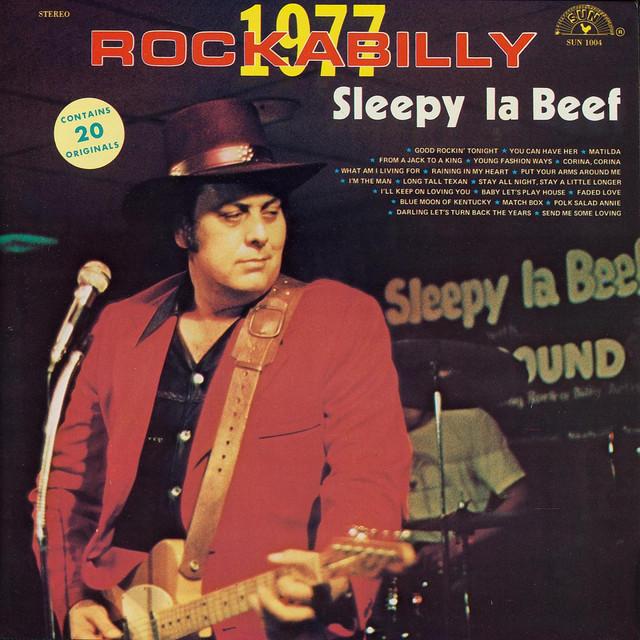
Sleepy LaBeef’s Spotify BioSleepy LaBeef became the ultimate rockabilly survivor, his live performances retaining the same raw power as he approached his eighth decade that they had in the years when he was among the music's pioneers.
He was born Thomas Paulsley LaBeff in Smackover, Arkansas. The 6'7" singer had heavily lidded eyes that made him appear half-asleep, hence his nickname. He was raised on a melon farm and grew up hearing both country and blues music. LaBeef moved to Houston at age 18, working at several odd jobs before beginning to sing gospel music on local radio shows. Soon he was working with a band of his own at local bars, and he appeared on the Houston Jamboree and Louisiana Hayride radio programs. The new rockabilly style fit his blazing voice perfectly, and in the late '50s he recorded about a dozen sides in that style for various labels. His first single, "I'm Through," was released in 1957 on Starday. Sometimes he was billed as Tommy LaBeff or Sleepy LaBeff.
LaBeef moved to Nashville in 1964… and soon was signed to Columbia. In the 1960s he recorded mostly straight country music. His sixth single for the label, "Every Day," provided LaBeef with his chart debut in 1968, and after moving to Shelby Singleton's Plantation label in 1969, he hit the Top 20 with his version of "Blackland Farmer," Frankie Miller's heartfelt ode to the soil. The late '60s also saw the towering baritone's film debut in the bizarre Southern drive-in horror musical The Exotic Ones; LaBeef played a swamp monster.
LaBeef moved to Sun Records in the mid-'70s after Singleton acquired that original institution of rockabilly, and there he reconnected with his rockabilly roots. Singles such as "Thunder Road," "There Ain't Much After Taxes," and "Boogie Woogie Country Girl" saw little chart action but helped form the beginnings of the LaBeef legend as his indefatigable touring exposed audiences to his wild-man energy. He remained more popular in Europe than in the U.S. and appeared at England's Wembley Festival twice. Among his U.S. fans was soul music historian Peter Guralnick, who saw LaBeef perform in Massachusetts in 1977 and praised his performances in a widely read article. That plus the general revival of rockabilly around 1980 at the hands of such groups as the Stray Cats paved the way for the emergence of Sleepy LaBeef, rockabilly revivalist.
He signed to Rounder in 1981 and released It Ain't What You Eat (It's the Way How You Chew It) in the U.S. and in Europe. The live album Nothin' but the Truth gave CD buyers a taste of the booming vocals and slashing guitar that had made LaBeef a prime club attraction. He returned to regular recording in the mid-'90s, releasing several more albums on Rounder: Strange Things Happening (1994) and I'll Never Lay My Guitar Down (1996) contained a variety of country and blues tunes and revealed the depth of LaBeef's musical experiences. Four years later, he issued Tomorrow Never Comes, which featured guest vocals from Maria Muldaur.
Compilations of the numerous unissued tracks from earlier in LaBeef's career began to surface in the early 2000s, and by that time Sleepy was nothing less than a rockabilly legend. After many years on the road, Sleepy LaBeef's career finally came to an end on December 26, 2019, when he died at his home in Siloam Springs, Arkansas; he was 84 years of age. ~ James Manheim, Rovi
Viberate is a music analytics platform built for A&Rs, artist managers, labels, booking agents, marketers, and artists.
It helps music professionals track artist growth, analyze audience data, monitor playlist activity, compare artists, follow song performance, and identify opportunities across the music market.
Public artist pages provide a free preview of selected artist data. Paid plans provide access to deeper analytics, historical data, charts, comparisons, playlist tools, exports, alerts, reports, and additional professional features.
Yes. Public Viberate artist pages provide selected artist analytics and music data for free.
Viberate also offers a 7-day free trial of the full platform. A credit card is required to start the trial. The trial includes access to the complete product so users can test deeper artist analytics, historical views, playlist insights, comparisons, charts, exports, alerts, and reporting features before choosing a paid plan.
Viberate provides artist analytics across streaming, playlists, social media, video, radio airplay, songs, and audience markets.
Users can analyze Spotify performance, Spotify and Apple Music playlists, YouTube activity, TikTok and Instagram growth, radio spins, song performance, audience locations, demographics, rankings, and overall artist momentum.
Artist profiles also connect to music charts, similar artists, and comparison tools, helping users benchmark performance and evaluate artists in context.
Viberate updates key artist and track data daily.
For followed artists and tracks, selected data is refreshed multiple times per day. This helps teams monitor playlist changes, streaming movement, audience growth, releases, and campaign performance with more current data.
Update frequency can vary depending on the metric and data source.
Yes. Viberate lets users compare up to five artists side by side across streaming, social media, audience, and engagement metrics.
Users can compare fanbase growth, audience demographics, locations, Spotify performance, social metrics, and other artist data over selected time periods.
Artist comparison can be used for A&R scouting, benchmarking, booking decisions, campaign planning, and evaluating artists with similar audiences or market positions.