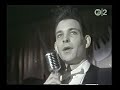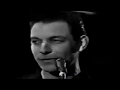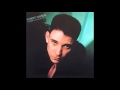
Robert Gordon

Rock
Rockabilly
Blues Rock
 Viberate Rank: 138529
 Viberate Rank: 138529
 Monthly ListenersFollowers
 Subscribers
 Followers
 Followers
 FansTop Spotify Songs
| Track | 7-Day Streams | |
|---|---|---|
1 | 7.41K | |
2 | 5.05K | |
3 | 3.29K | |
4 | 1.60K | |
5 | 1.42K |
Top YouTube VideosMonthly ListenersFeatured in Playlists| Playlist | Followers | |
|---|---|---|
1 |  Rockabilly Mania Spotify | 547.24K |
2 |  Rockabilly Spotify | 133.32K |
3 |  The Best Of Rockabilly Music Francis Verdon | 40.50K |
4 |  Natural Born Killers Soundtrack Starfish & Coffee | 39.97K |
5 | ROCKABILLY Adam Lund | 35.86K |
Audience| City | Monthly Listeners | |
|---|---|---|
1 |  | 3.92K |
2 | | 880 |
3 |  | 625 |
4 |  | 614 |
5 | | 538 |
See full performance history, audience data, playlist activity, rankings, comparisons, and more in Viberate music analytics. Start with a free trial, then continue with a paid plan.
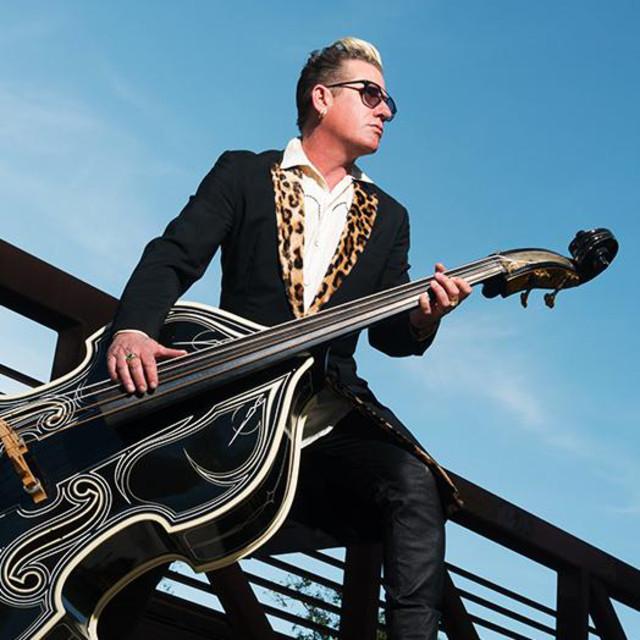
Robert Gordon’s Spotify BioRobert Gordon was among the first of the rockabilly revivalists to emerge in the 1970s, and one of the only ones singing the praises of Elvis Presley's primal early work while the King was still alive. Gordon went on to a long career championing the first rock & roll era with a strong, flexible voice that was ideal for the vocal dramatics of rockabilly, and a sense of style that suited the mood as well as the sound of vintage rock. He teamed up with a number of gifted guitarists who helped him make his music sound as authentic as his singing, among them Link Wray, Chris Spedding, and Danny Gatton. Gordon's early work captured him at his most passionate and energetic, especially 1978's Fresh Fish Special and 1979's Rock Billy Boogie, while 1981's Are You Gonna Be the One found him embracing a more mature and diverse approach and 2007's It's Now or Never, a tribute to Presley, was a latter-day triumph. Gordon returned in 2020 with Rockabilly for Life, whose many guests included members… of the Blasters, the Stooges, and the Go-Go's.
Robert Gordon was born in Bethesda, Maryland on March 29, 1947. When Elvis Presley's "Heartbreak Hotel" became a smash hit in 1956, it made a tremendous impression on young Gordon, and he became a passionate fan of Presley, Gene Vincent, Jack Scott, Eddie Cochran, and other heroes of the first salvo of rock. As the '50s gave way to the '60s, Gordon developed a taste for soul and R&B as well as rock, but he made no secret of the fact the British Invasion didn't impress him much. He discovered he liked to sing, and made his first appearance on stage when he was 15, performing at a summer camp talent show with his brother. He sang in a number of local bands, including the Confidentials and the Newports, but neither went much further than playing school dances and teen clubs. Later in the decade, he joined the National Guard to avoid being drafted and sent to Vietnam, and he got married when he was 19, fathering two children.
In 1970, Gordon relocated to New York City, where he opened a clothing store but had little time for music. A few years later, that changed when Gordon and his wife divorced and he began checking out a new rock & roll scene that was incubating at a Bowery club called CBGB. Gordon appreciated the energy of bands like the Ramones and Blondie, and he became a figure on the early N.Y.C. punk scene, joining a band called Tuff Darts. As punk attracted attention in the music press, Tuff Darts became rising stars, and three songs by the band would appear on 1976's Live at CBGB, a sampler of bands who played the club. However, Gordon would leave Tuff Darts before they could make an album when producer Richard Gottehrer heard them do a cover of Presley's "One Night" and suggested Gordon make a rock & roll album.
Gordon and Gottehrer approached legendary guitarist Link Wray about joining them for the recording sessions, and Wray, impressed with his authentic rockabilly sound, signed on. Private Stock Records, who had signed just Blondie, struck a deal with Gordon, and his first album, Robert Gordon with Link Wray, appeared in 1977. Gordon's retro sound and style generated a buzz, and when Elvis Presley died on August 16, 1977, the interest in his early hits gave the public a greater taste for the sort of music Gordon championed, and "Red Hot" from the album picked up some radio play. Private Stock brought out Gordon and Wray's second LP, Fresh Fish Special (named for the unflattering prison haircut inflicted on Elvis in Jailhouse Rock) in 1978, which included a version of Bruce Springsteen's then-unrecorded "Fire." It generated enough attention that RCA Victor Records, Elvis' label, added Gordon to their roster after Private Stock went bankrupt.
After reissuing his first two albums, RCA brought out Rock Billy Boogie in early 1979; by this time, Wray had dropped out of the band, and British sessionman Chris Spedding took over lead guitar duties. The album fared better than his Private Stock releases, but was something short of a hit, and his second RCA LP, 1980's Bad Boy, generated more press than sales. Midway through recording his next LP, the label pressured Gordon to scrap the material and start over with a different producer and backing band, and 1981's Are You Gonna Be the One was a more diverse set with R&B and country flavors along with the expected rockabilly, and was produced by Gordon, Lance Quinn, and Scott Litt, with Danny Gatton playing lead guitar. It became Gordon's best-selling album, and Gatton's stellar instrumental work made him an underground guitar hero; a live recording of Gatton backing Gordon on the Are You Gonna Be the One tour circulated among fans and pickers before it was released publicly under the title The Humbler. Not long after the release of the album, Gordon was approached to contribute music to the soundtrack of a low-budget movie about a biker gang set in the '50s, The Loveless. He ended up also playing a supporting role in the film, which starred a young Willem Dafoe and was the first directorial effort from Kathryn Bigelow, who went on to helm The Hurt Locker and Zero Dark Thirty.
While Are You Gonna Be the One boosted Gordon's audience, he and RCA had a falling out over the budget for his next album, and on the advice of his manager, he cut ties with the label; they closed out his contract with a best-of album, 1982's Too Fast to Live, Too Young to Die. A new record deal was not forthcoming, and Gordon stuck to live work for over a decade. In 1989, a concert album, Live at Lone Star, was issued by the French New Rose label. The album was released without Gordon's participation or consent, and he responded by working with New Rose to assemble and bring out 1991's Greetings from New York, featuring live tracks from his years with Chris Spedding. (These were the first two of a long series of live albums that would appear regularly over the next three decades.) 1994's All for the Love of Rock 'N' Roll featured new songs along with material that dated back to his days with Tuff Darts, and featured their guitarist, Jeff Salen, alongside Spedding and Gatton. The German Bear Family label delivered the 1995 collection Red Hot 1977-1981, an overview of his Private Stock/RCA era, and in 1998 they brought out Lost Album Plus, a set of rarities including the sessions that were scrapped in favor of Are You Gonna Be the One. 1997's Robert Gordon was a studio set focused on early rock and country material, and 2004's Satisfied Mind was a similar effort that featured Eddie Angel on guitar. 2007's It's Now or Never saw Gordon reunite with Chris Spedding to record 15 songs originally made famous by his hero Elvis Presley. After a recording layoff of 13 years, Gordon came back in 2020 with Rockabilly for Life, which included guest appearances from Chris Spedding, Dave Alvin, James Williamson (of Iggy and the Stooges), Clem Burke (of Blondie), Kathy Valentine (of the Go-Go's), and many more. Robert Gordon had been in treatment for acute myeloid leukemia in the last years of his life; he died on October 18, 2022 at the age of 75. ~ Mark Deming, Rovi
Viberate is a music analytics platform built for A&Rs, artist managers, labels, booking agents, marketers, and artists.
It helps music professionals track artist growth, analyze audience data, monitor playlist activity, compare artists, follow song performance, and identify opportunities across the music market.
Public artist pages provide a free preview of selected artist data. Paid plans provide access to deeper analytics, historical data, charts, comparisons, playlist tools, exports, alerts, reports, and additional professional features.
Yes. Public Viberate artist pages provide selected artist analytics and music data for free.
Viberate also offers a 7-day free trial of the full platform. A credit card is required to start the trial. The trial includes access to the complete product so users can test deeper artist analytics, historical views, playlist insights, comparisons, charts, exports, alerts, and reporting features before choosing a paid plan.
Viberate provides artist analytics across streaming, playlists, social media, video, radio airplay, songs, and audience markets.
Users can analyze Spotify performance, Spotify and Apple Music playlists, YouTube activity, TikTok and Instagram growth, radio spins, song performance, audience locations, demographics, rankings, and overall artist momentum.
Artist profiles also connect to music charts, similar artists, and comparison tools, helping users benchmark performance and evaluate artists in context.
Viberate updates key artist and track data daily.
For followed artists and tracks, selected data is refreshed multiple times per day. This helps teams monitor playlist changes, streaming movement, audience growth, releases, and campaign performance with more current data.
Update frequency can vary depending on the metric and data source.
Yes. Viberate lets users compare up to five artists side by side across streaming, social media, audience, and engagement metrics.
Users can compare fanbase growth, audience demographics, locations, Spotify performance, social metrics, and other artist data over selected time periods.
Artist comparison can be used for A&R scouting, benchmarking, booking decisions, campaign planning, and evaluating artists with similar audiences or market positions.