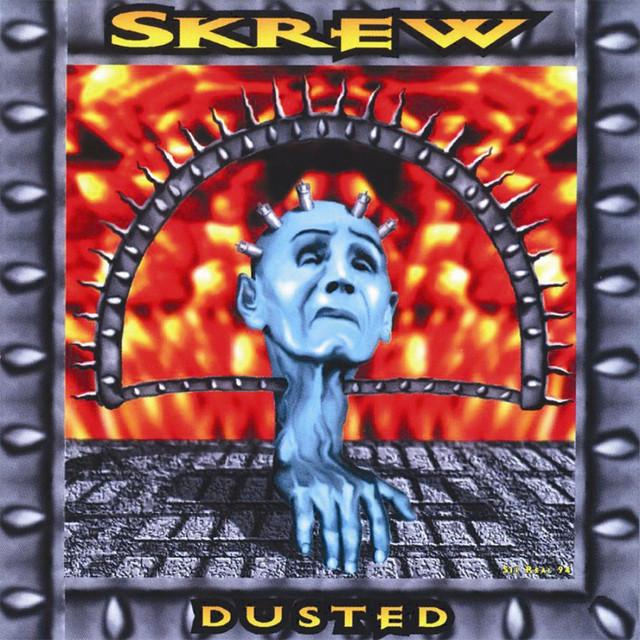
Skrew

Electronic
Other Electronic Music
Industrial Metal
 Viberate Rank: 319258
 Viberate Rank: 319258
 Monthly ListenersFollowers
 Subscribers
 Followers
 Followers
 FansTop Spotify Songs
| Track | 7-Day Streams | |
|---|---|---|
1 | 359 | |
2 | 252 | |
3 | 205 | |
4 | 132 | |
5 | 63 |
Top YouTube VideosMonthly ListenersFeatured in Playlists| Playlist | Followers | |
|---|---|---|
1 |  Obscure Rare And Forgotten 90's Alternative, Rock, Metal, And Grunge Deep Cuts Rick Plant | 5.01K |
2 |  Headbanger's Ball 1987-1994 Richie Trixx | 4.44K |
3 |  Cyberpunk 2077 Ultimate Playlists | 3.49K |
4 | 80's/90's Industrial Music Esoteric Soundwave | 1.83K |
5 |  Lollapalooza 1992 Perry Farrell | 1.78K |
Audience| City | Monthly Listeners | |
|---|---|---|
1 | | 50 |
2 | | 28 |
3 | | 26 |
4 | | 24 |
5 | | 24 |
See full performance history, audience data, playlist activity, rankings, comparisons, and more in Viberate music analytics. Start with a free trial, then continue with a paid plan.
Skrew’s Spotify BioFormed in Texas sometime around 1990, Skrew represented the vision of guitarist/vocalist/songwriter Adam Grossman, and despite being referred to as a band, the group was more of a solo expression of Grossman's affinity for what would become known as industrial metal. The genre was still being forged during the early '90s and Grossman deserves credit for shaping the direction and identity of a music form that made similar artists like Nine Inch Nails and White Zombie huge stars. While timely and stylistically comparable to the genre's household names, Skrew lacked the charisma and most importantly the songs to compete, and ultimately moved away from the electronic musical textures in the late '90s, but without great material, the affects were predictably mediocre. The group's 1992 debut on Metal Blade, Burning In Water, Drowning in Flame, sold surprisingly well and it did seem for awhile that the band might be on their way to the gold and platinum status Nine Inch Nails was enjoying.… The follow-up Dusted, released in 1994, is perhaps the outfit's finest offering and received plenty of critical acclaim just as Skrew's previous record had, but sales and interest in the group must not have been growing fast enough for Grossman and the musician decided to change his musical direction. The result was 1996's Shadow of a Doubt. More traditional and guitar-driven than Skrew's early industrial metal, Shadow of a Doubt signaled a bit of a decline and further highlighted Skrew's capable, but unremarkable songwriting. Grossman's talent it seems is in the production of blistering combinations of metal riffs and inventive programming, not straight-up dirge-metal performance. The band's final offering in 1997, Angel Seed XXIII, was even more of a disappointment. Fans only familiar with Skrew's debut might not even recognize this bland attempt at something like new metal. Despite the disappointing abandonment of their signature sound, Skrew deserves credit and respect for having the brains to create something forward-thinking and interesting during a brief period when that approach to making rock music was actually being encouraged and rewarded. ~ Vincent Jeffries, Rovi
Viberate is a music analytics platform built for A&Rs, artist managers, labels, booking agents, marketers, and artists.
It helps music professionals track artist growth, analyze audience data, monitor playlist activity, compare artists, follow song performance, and identify opportunities across the music market.
Public artist pages provide a free preview of selected artist data. Paid plans provide access to deeper analytics, historical data, charts, comparisons, playlist tools, exports, alerts, reports, and additional professional features.
Yes. Public Viberate artist pages provide selected artist analytics and music data for free.
Viberate also offers a 7-day free trial of the full platform. A credit card is required to start the trial. The trial includes access to the complete product so users can test deeper artist analytics, historical views, playlist insights, comparisons, charts, exports, alerts, and reporting features before choosing a paid plan.
Viberate provides artist analytics across streaming, playlists, social media, video, radio airplay, songs, and audience markets.
Users can analyze Spotify performance, Spotify and Apple Music playlists, YouTube activity, TikTok and Instagram growth, radio spins, song performance, audience locations, demographics, rankings, and overall artist momentum.
Artist profiles also connect to music charts, similar artists, and comparison tools, helping users benchmark performance and evaluate artists in context.
Viberate updates key artist and track data daily.
For followed artists and tracks, selected data is refreshed multiple times per day. This helps teams monitor playlist changes, streaming movement, audience growth, releases, and campaign performance with more current data.
Update frequency can vary depending on the metric and data source.
Yes. Viberate lets users compare up to five artists side by side across streaming, social media, audience, and engagement metrics.
Users can compare fanbase growth, audience demographics, locations, Spotify performance, social metrics, and other artist data over selected time periods.
Artist comparison can be used for A&R scouting, benchmarking, booking decisions, campaign planning, and evaluating artists with similar audiences or market positions.