Malhavoc

Metal
Alternative Metal
Industrial Metal
Thrash Metal
 Viberate Rank: 420747
 Viberate Rank: 420747
 Monthly ListenersFollowers
 Subscribers
 Followers
 Followers
 FansTop Spotify Songs
| Track | 7-Day Streams | |
|---|---|---|
1 | 140 | |
2 | 126 | |
3 | 62 | |
4 | 62 | |
5 | 39 |
Top YouTube VideosMonthly ListenersFeatured in Playlists| Playlist | Followers | |
|---|---|---|
1 |  Gothic Club Party Tennrich | 3.92K |
2 | Wefunk Radio (All tracks) Dillon Sylvestre | 2.67K |
3 | Wanna listen to some tunes? Eris | 1.84K |
4 |  INDUSTRIAL MEGAPLAYLIST FELIX ☢️ | 1.08K |
Audience| City | Monthly Listeners | |
|---|---|---|
1 | | 67 |
2 | | 25 |
3 | | 14 |
4 | | 13 |
5 | | 13 |
See full performance history, audience data, playlist activity, rankings, comparisons, and more in Viberate music analytics. Start with a free trial, then continue with a paid plan.
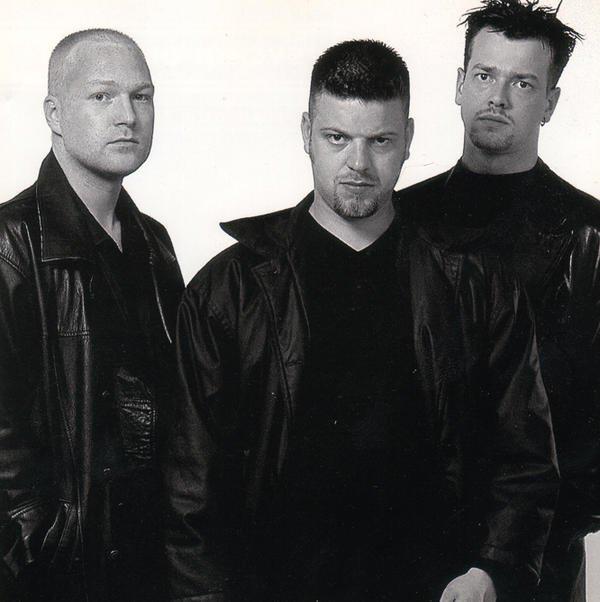
Malhavoc’s Spotify BioOne of the pioneers of industrial music, Toronto, Canada's Malhavoc picked up on the scattered transmissions sent out by formative acts such as Throbbing Gristle, Coil, and Chrome, contributed to the genre's development throughout the 1980s alongside contemporaries like KMFDM, Skinny Puppy, and Ministry, and thus pre-dated its effective, 1990s coming of age by several years. Formed by vocalist, guitarist, keyboardist, programmer, and lone mainstay James Cavalluzzo in 1983, Malhavoc began making waves in the tape-trading underground with a slew of extreme metal-infused demos like The Destruction Starts (1983), The Destruction Continues (1984), Age of the Dark Renaissance (1986), and 1988's watershed, Shrine, which still mingled industrial basics with lingering death metal elements and ambient sounds. Malhavoc's first official album, The Release -- featuring Cavalluzzo, guitarists Dave Kiner and Rob Wright, and bassist Steve Jelliman -- finally arrived in 1990; but perhaps even more than… his music, Cavalluzzo and co. first drew attention to themselves because of their penchant for shocking on-stage antics, whereupon bandmembers and assorted guests would infamously indulge in everything from theatrical displays of S&M and nudity, to role-playing violence and real self-mutilation. Additional programmer Steve Crowhurst was brought in for 1991's Punishments EP (also featuring a guest spot from Skinny Puppy's David Ogilvie), and this five-piece remained stable through the recording of 1992's Premeditated Murder full-length, which met with some controversy when legal action from the Rolling Stones led to the album's temporary withdrawal from the marketplace (a song called "Dead" unlawfully sampled "Sympathy for the Devil"). A retooled version, amended with a new and Stones-free mix of the track, was released later that year, and the members of Malhavoc busied themselves with touring, but change was on the horizon. The group's next album, 1994's conceptual Get Down, introduced a paired down lineup of Cavalluzzo, Kiner, Jelliman, and real live drummer John Carss, and pretty much closed the book on Malhavoc's heavy metal influences (a trend which had been accelerating with every recent release) in order to embrace a fully techno/ambient industrial style. Unfortunately, this coincided with a period of mounting strife within the group that would result in the replacement of Kiner and Jelliman with new members Chris Scahill (guitar) and Justin Pearen (bass) before the 1995 sessions for Malhavoc's ill-fated next opus, The Lazarus Complex: A Tale of Two Zombies. Initially delayed by business complications between the group and its record label, the adventurous techno-ambient project would only be officially released five years later -- five years of deafening silence for Malhavoc (interrupted only by 1998's "Eat Me" single), yet busy ones for Cavalluzzo, who decided to shelve the band in order to collaborate with dozens of acts. Since then, Cavalluzzo has resurrected Malhavoc only when his personal whims have dictated, such as for the release of 2004's Human Fly EP (containing covers of songs by the Cramps, the Cure, and Depeche Mode),and for a tour in 2007. ~ Eduardo Rivadavia, Rovi
Viberate is a music analytics platform built for A&Rs, artist managers, labels, booking agents, marketers, and artists.
It helps music professionals track artist growth, analyze audience data, monitor playlist activity, compare artists, follow song performance, and identify opportunities across the music market.
Public artist pages provide a free preview of selected artist data. Paid plans provide access to deeper analytics, historical data, charts, comparisons, playlist tools, exports, alerts, reports, and additional professional features.
Yes. Public Viberate artist pages provide selected artist analytics and music data for free.
Viberate also offers a 7-day free trial of the full platform. A credit card is required to start the trial. The trial includes access to the complete product so users can test deeper artist analytics, historical views, playlist insights, comparisons, charts, exports, alerts, and reporting features before choosing a paid plan.
Viberate provides artist analytics across streaming, playlists, social media, video, radio airplay, songs, and audience markets.
Users can analyze Spotify performance, Spotify and Apple Music playlists, YouTube activity, TikTok and Instagram growth, radio spins, song performance, audience locations, demographics, rankings, and overall artist momentum.
Artist profiles also connect to music charts, similar artists, and comparison tools, helping users benchmark performance and evaluate artists in context.
Viberate updates key artist and track data daily.
For followed artists and tracks, selected data is refreshed multiple times per day. This helps teams monitor playlist changes, streaming movement, audience growth, releases, and campaign performance with more current data.
Update frequency can vary depending on the metric and data source.
Yes. Viberate lets users compare up to five artists side by side across streaming, social media, audience, and engagement metrics.
Users can compare fanbase growth, audience demographics, locations, Spotify performance, social metrics, and other artist data over selected time periods.
Artist comparison can be used for A&R scouting, benchmarking, booking decisions, campaign planning, and evaluating artists with similar audiences or market positions.