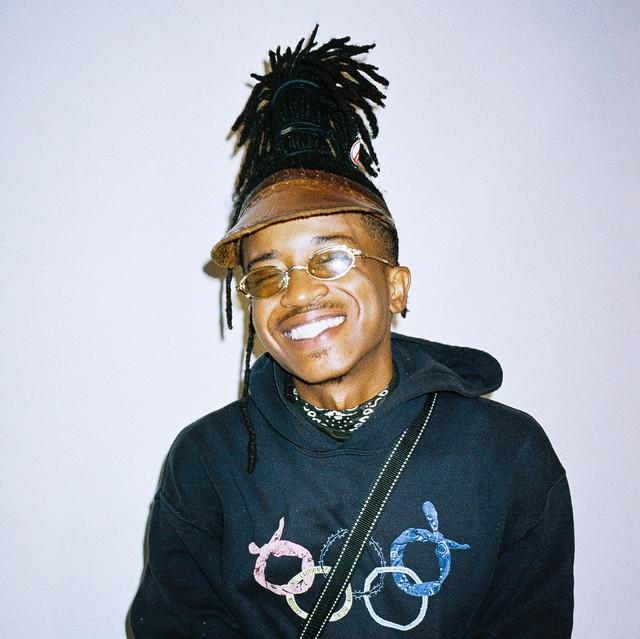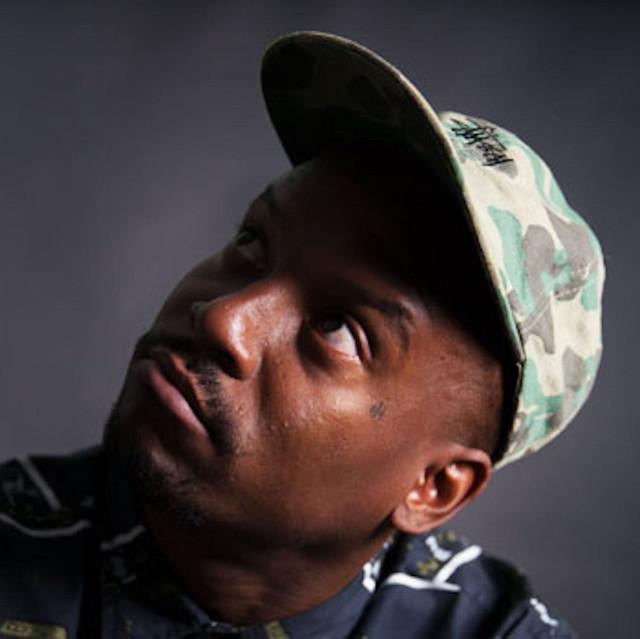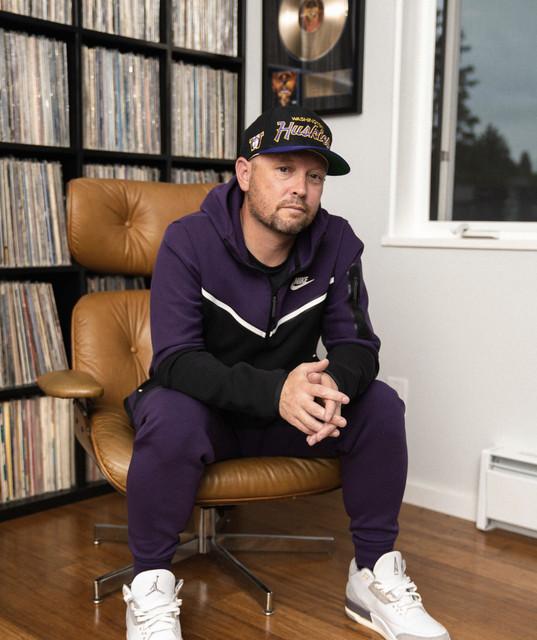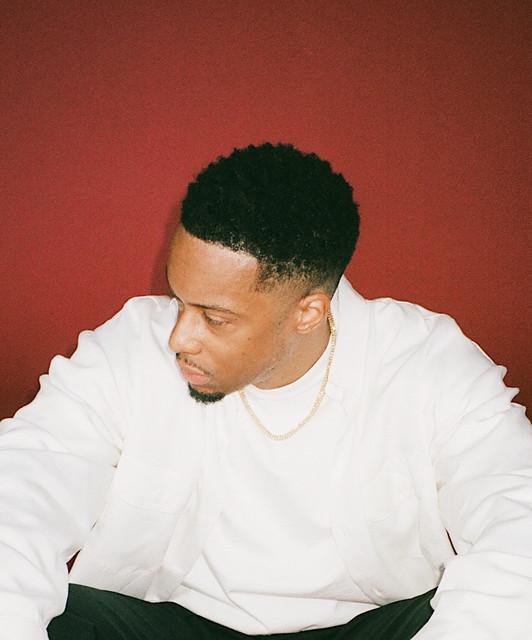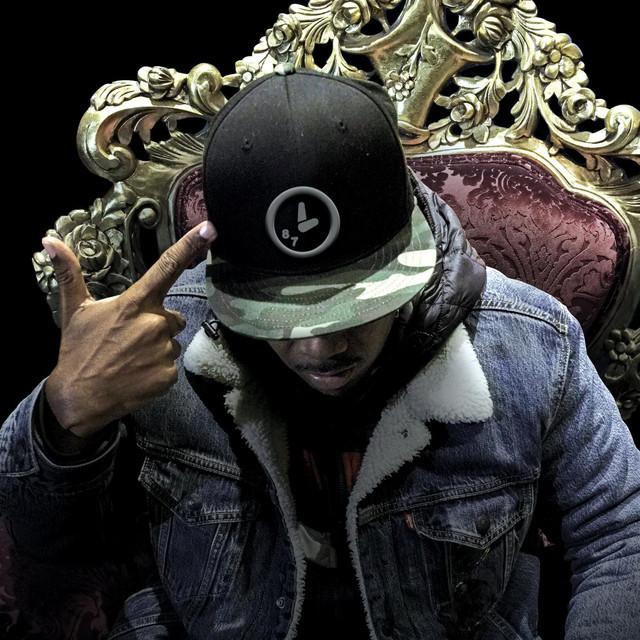
Ski Beatz

Hip Hop
Contemporary Hip Hop
Alternative Hip Hop
 Viberate Rank: 92630
 Viberate Rank: 92630
 Monthly ListenersFollowers
 Subscribers
 Followers
 Followers
 FansTop Spotify Songs
| Track | 7-Day Streams | |
|---|---|---|
1 | 18.67K | |
2 | 9.76K | |
3 | 295 | |
4 | 220 | |
5 | 99 |
Top YouTube VideosMonthly ListenersFeatured in Playlists| Playlist | Followers | |
|---|---|---|
1 |  Orbit Spotify | 110.24K |
2 | Hip hop instrumentals Maximilien Sautreau | 40.78K |
3 |  This Is Mos Def Spotify | 39.65K |
4 |  WRMFZY BEATS wrmfzy | 18.79K |
5 |  Living In My Headphones James Lavelle (UNKLE) | 16.04K |
Audience| City | Monthly Listeners | |
|---|---|---|
1 | | 1.14K |
2 | | 1.00K |
3 | | 850 |
4 | | 780 |
5 |  | 711 |
See full performance history, audience data, playlist activity, rankings, comparisons, and more in Viberate music analytics. Start with a free trial, then continue with a paid plan.
Ski Beatz’s Spotify BioSki Beatz (born David Willis), also known as DJ Ski and originally MC Will-Ski, is a hip-hop producer and former member of 1990s rap group Original Flavor. His connection to Damon Dash (who managed Original Flavor) bore fruit when Dash hired him in to work on the debut album of his own artist, Jay-Z, whose Reasonable Doubt album was released in 1996, marking Ski Beatz's first major production, including the album's first major single "Dead Presidents." The lead single, along with Ski Beatz's production on "Feelin' It" and "Politics as Usual," featured similar jazzy ("Feelin' It" used an Ahmad Jamal sample) and old-soul ("Politics" featured a recognizable Stylistics sample) vibes that characterized much of Ski Beatz's mid- to late-'90s work. After the critical success of Reasonable Doubt, Ski Beatz formed Roc-A-Blok Productions in affiliation with Jay-Z and Dash's label, Roc-A-Fella Records, working with Camp Lo and Sporty Thievz. He crafted most of Camp Lo's debut album, Uptown… Saturday Night, which dropped in 1997 and featured the hit single "Luchini aka This Is It." The song, looking to build on Camp Lo's '70s-style gimmick, featured blaxpoloitation-esque horns thanks to the sampled intro of "Adventures in the Land of Music" by Dynasty. It became one of the most instantly recognizable and celebrated beats from that era. Meanwhile, Ski Beatz continued to work with Jay-Z on his sophomore album, In My Lifetime, producing stand-out singles "Who You Wit II" and "Streets Is Watching." Roc-A-Blok Productions folded soon thereafter, but Ski Beatz stayed active in music, producing for artists such as Nature, members of the New Jersey crew the Outsidaz, Lil' Kim, Foxy Brown, Ras Kass, and Proof. He also continued to produce the bulk of Camp Lo's subsequent albums Let's Do It Again and Black Hollywood. After several years apart, Ski Beatz rejuvenated his creative relationship with Dash, joining his DD172 collective, subsequently nicknamed "the 24-Hour Karate School". Since the foundation of the studio enclave, Ski Beatz has worked with Mos Def, Jay-Z, Electronica, Jean Grae, and others. He also began a fruitful creative collaboration with New Orleans rapper Curren$y, producing all but three songs on his Pilot Talk. Ski Beatz made his solo debut in 2010 with 24 Hour Karate School. The self-produced album featured verses from Curren$y, Jim Jones, Ras Kaas, Jay Electronica, the Cool Kids, and others. ~ Vincent Thomas, Rovi
Viberate is a music analytics platform built for A&Rs, artist managers, labels, booking agents, marketers, and artists.
It helps music professionals track artist growth, analyze audience data, monitor playlist activity, compare artists, follow song performance, and identify opportunities across the music market.
Public artist pages provide a free preview of selected artist data. Paid plans provide access to deeper analytics, historical data, charts, comparisons, playlist tools, exports, alerts, reports, and additional professional features.
Yes. Public Viberate artist pages provide selected artist analytics and music data for free.
Viberate also offers a 7-day free trial of the full platform. A credit card is required to start the trial. The trial includes access to the complete product so users can test deeper artist analytics, historical views, playlist insights, comparisons, charts, exports, alerts, and reporting features before choosing a paid plan.
Viberate provides artist analytics across streaming, playlists, social media, video, radio airplay, songs, and audience markets.
Users can analyze Spotify performance, Spotify and Apple Music playlists, YouTube activity, TikTok and Instagram growth, radio spins, song performance, audience locations, demographics, rankings, and overall artist momentum.
Artist profiles also connect to music charts, similar artists, and comparison tools, helping users benchmark performance and evaluate artists in context.
Viberate updates key artist and track data daily.
For followed artists and tracks, selected data is refreshed multiple times per day. This helps teams monitor playlist changes, streaming movement, audience growth, releases, and campaign performance with more current data.
Update frequency can vary depending on the metric and data source.
Yes. Viberate lets users compare up to five artists side by side across streaming, social media, audience, and engagement metrics.
Users can compare fanbase growth, audience demographics, locations, Spotify performance, social metrics, and other artist data over selected time periods.
Artist comparison can be used for A&R scouting, benchmarking, booking decisions, campaign planning, and evaluating artists with similar audiences or market positions.